Cooling towers are essential to heat rejection in industrial plants and HVAC systems, but they are also central to the conversation about Legionnaire...
If you have ever asked “how does the cooling tower work?” you are not alone. At Zhejiang Dongjie, we work with engineers and plant operators who use ...
In industrial cooling systems, water is both the most essential element and the most common source of operational problems. Scale, corrosion, fouling...
Selecting a new cooling tower is rarely about finding a single “best” technology. It is about matching the equipment to your site, your thermal load,...
Water efficiency in cooling towers often comes down to a simple question: how much heat do you reject for every gallon of water you circulate? Coolin...
When a process line needs to hold a reactor at 5 °C, a chiller is the obvious choice. When the same plant needs to reject a large amount of waste hea...
A 2 MW chiller in a commercial building rejects roughly 700 kW of heat through its condenser water loop. That heat has to go somewhere. In many mid- ...
A plant engineer managing a 2 MW injection molding process was facing a familiar problem. The open cooling tower was letting suspended solids into th...
A cooling tower rarely fails all at once. What often happens is quieter: the cold water temperature creeps up by a degree or two over a season, drift...
The Direct Answer: Sealed Circulation Keeps Process Water Clean
A closed circuit cooling tower is considered essential for contamination-free industr...
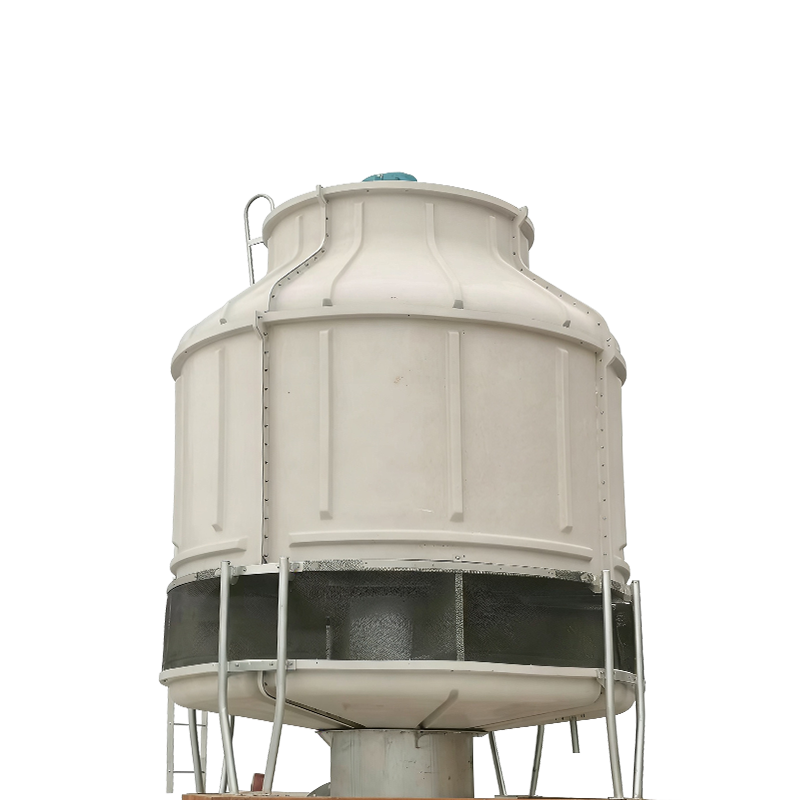
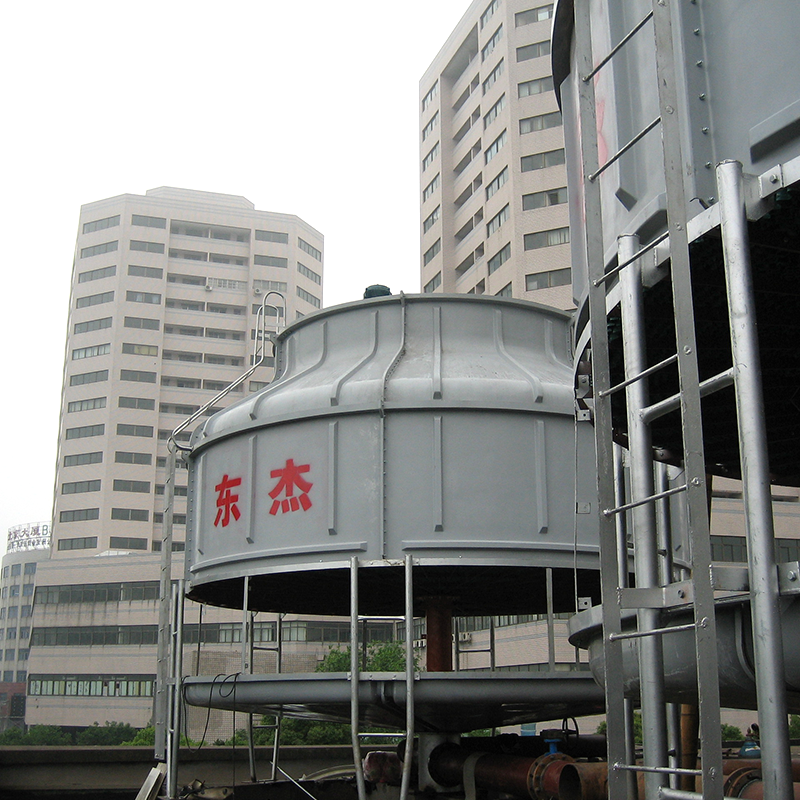
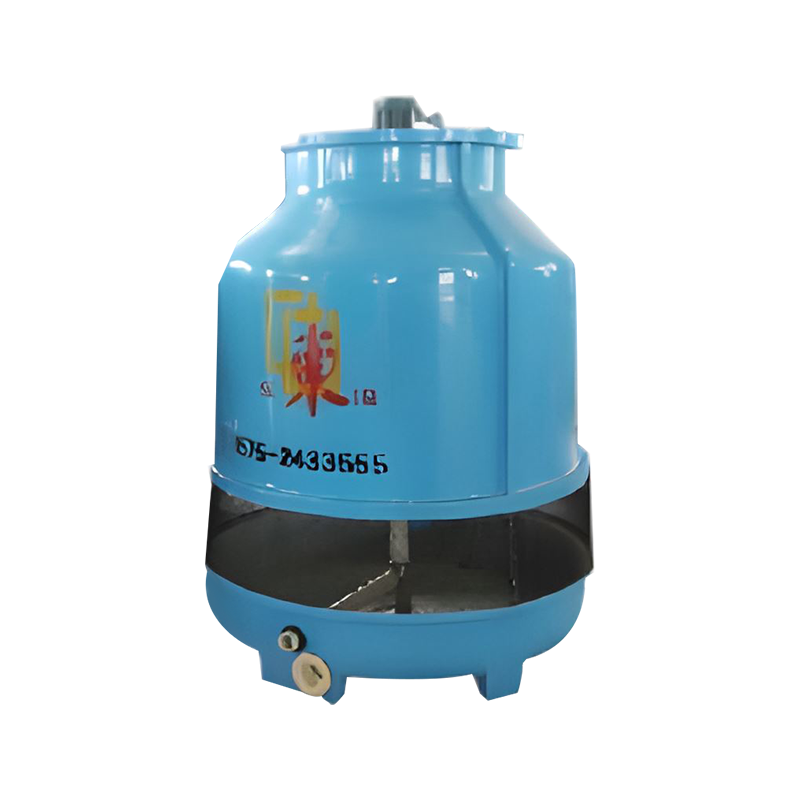
What A Circular Cooling Tower Does
A circular cooling tower removes heat from a process water system by exposing warm water to a controlled airflow, ...
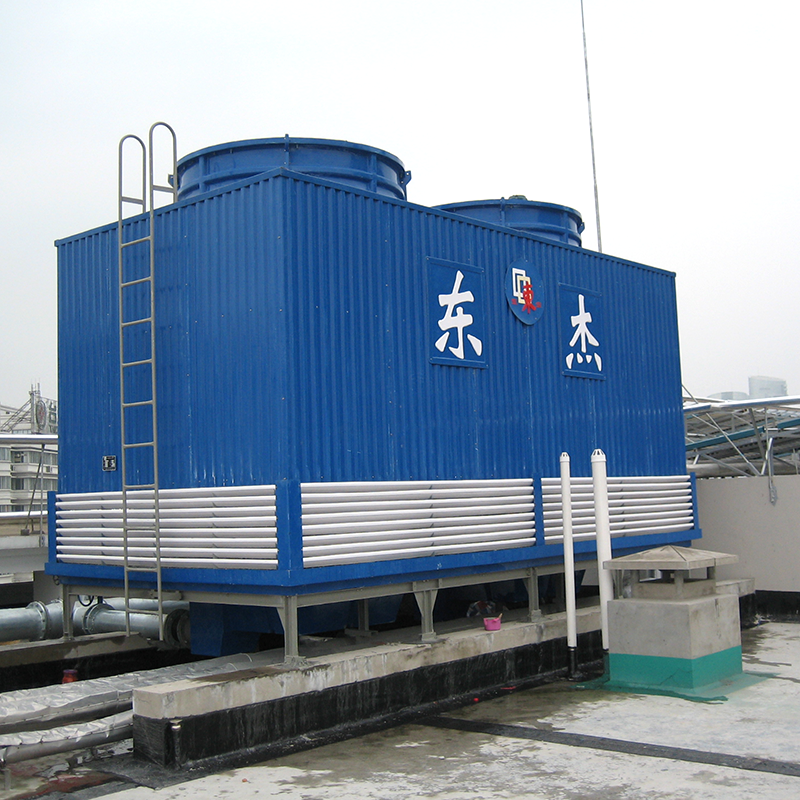
A Closed Circuit Cooling Tower Keeps Process Fluid Isolated From Open Air and Airborne Contaminants
A closed circuit cooling tower is essential for c...




 English
 русский
 中文简体
中文简体