

 English
 русский
 中文简体
中文简体
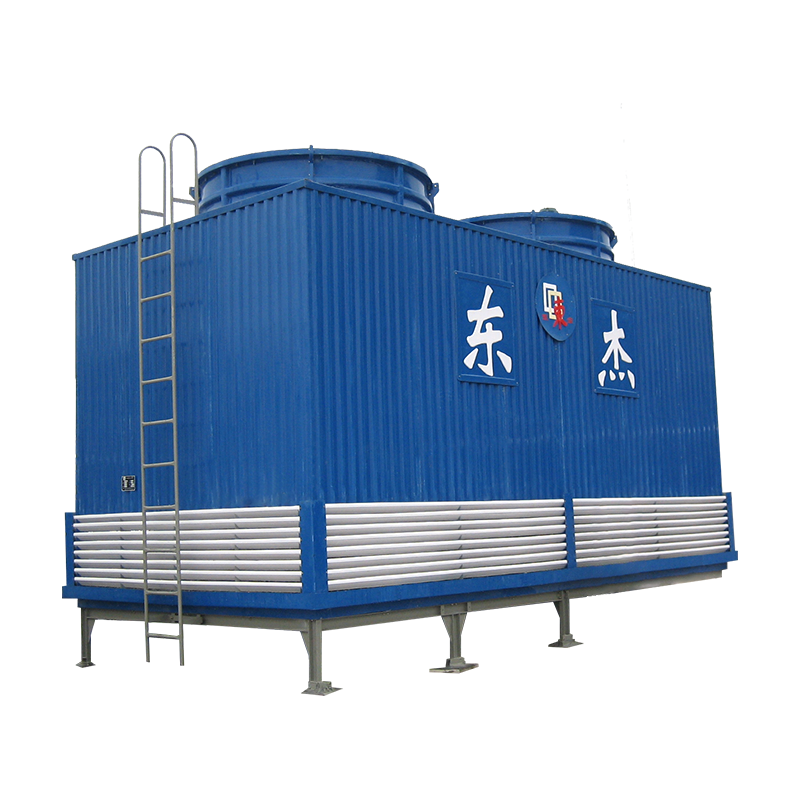
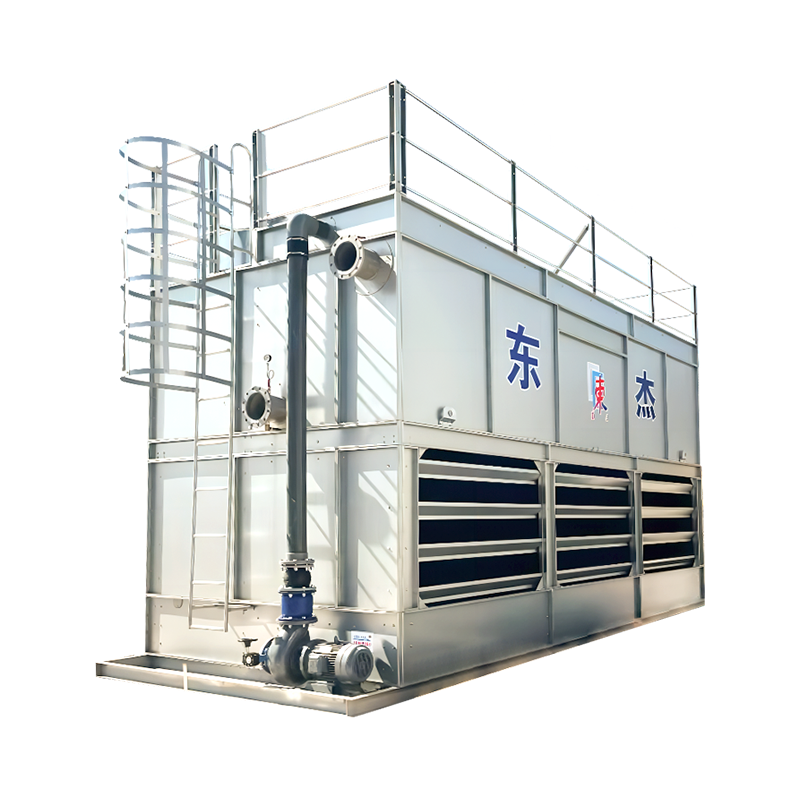
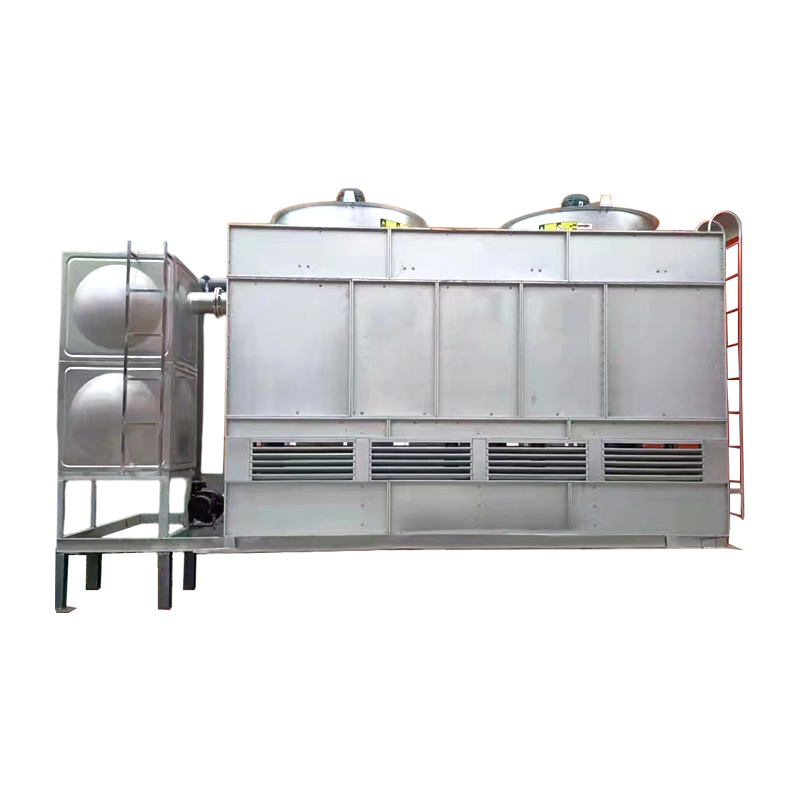
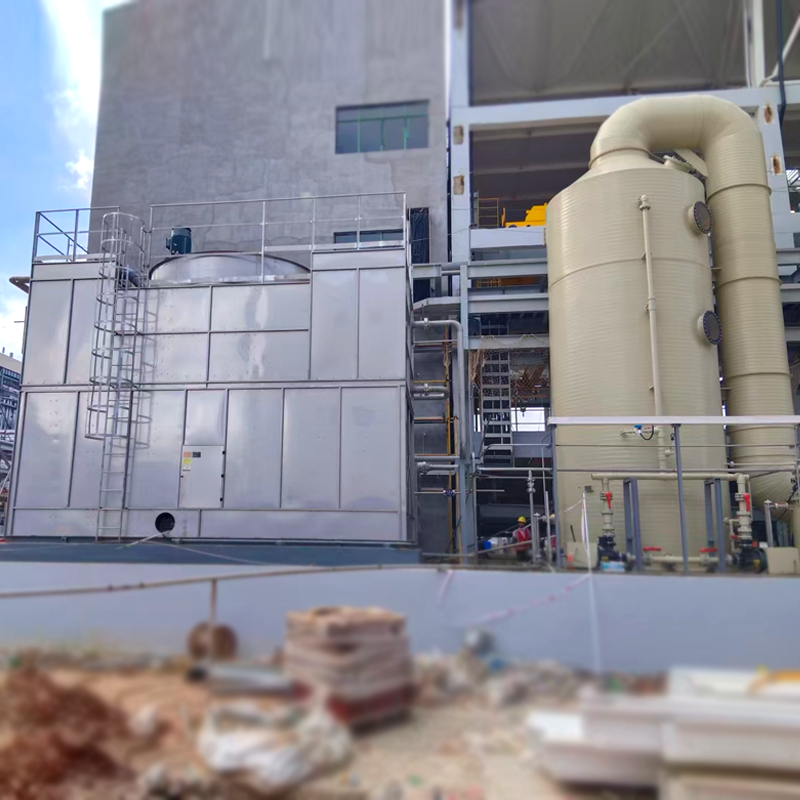
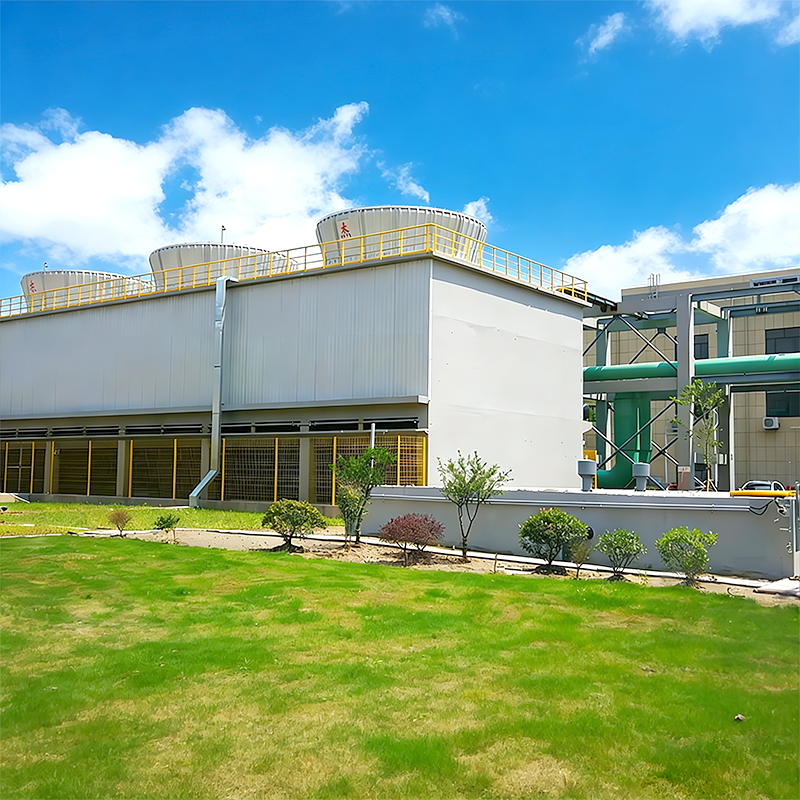
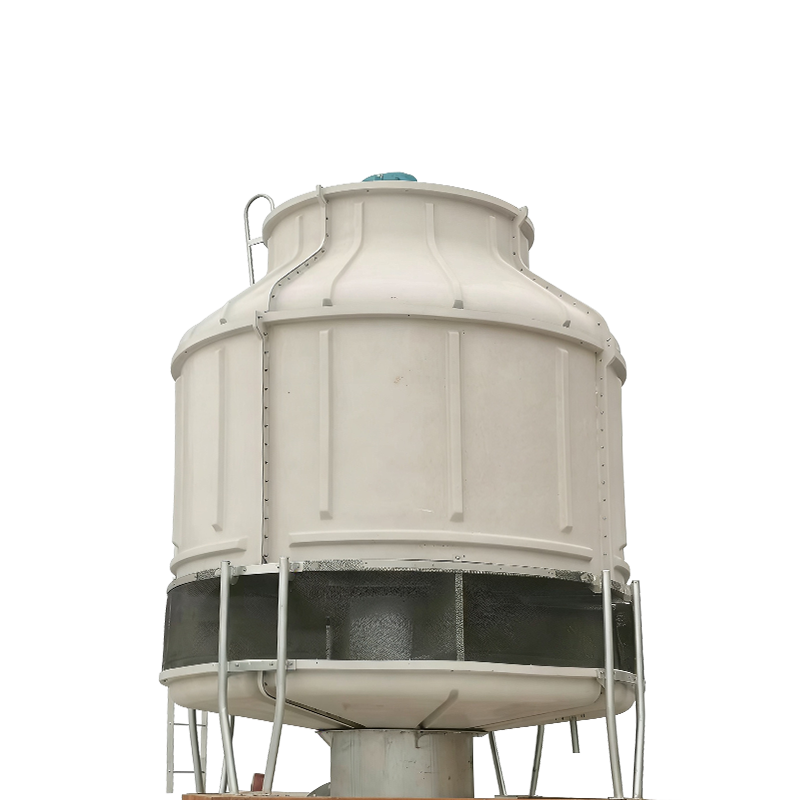
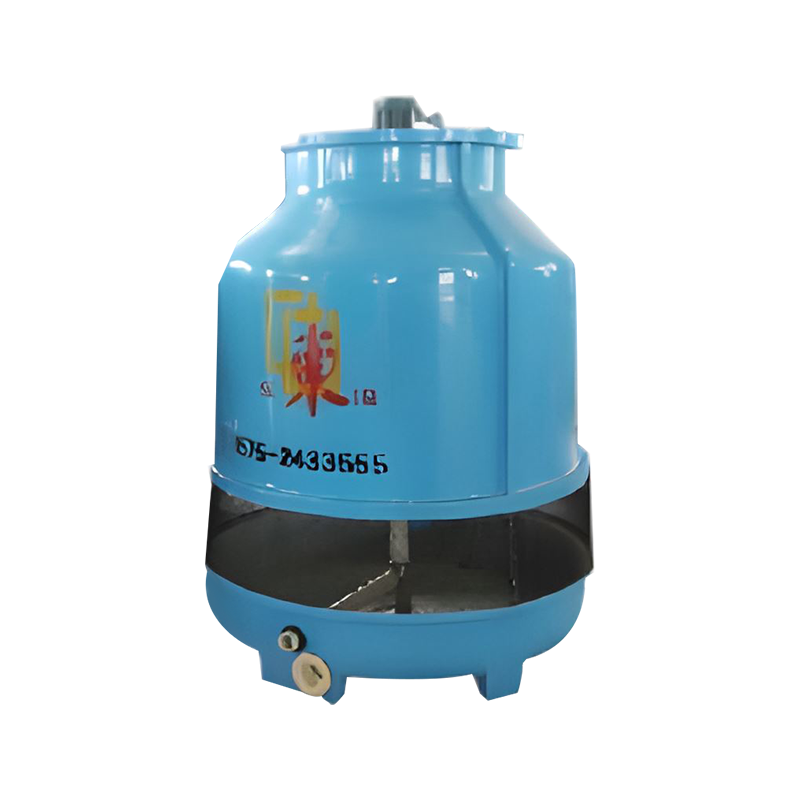
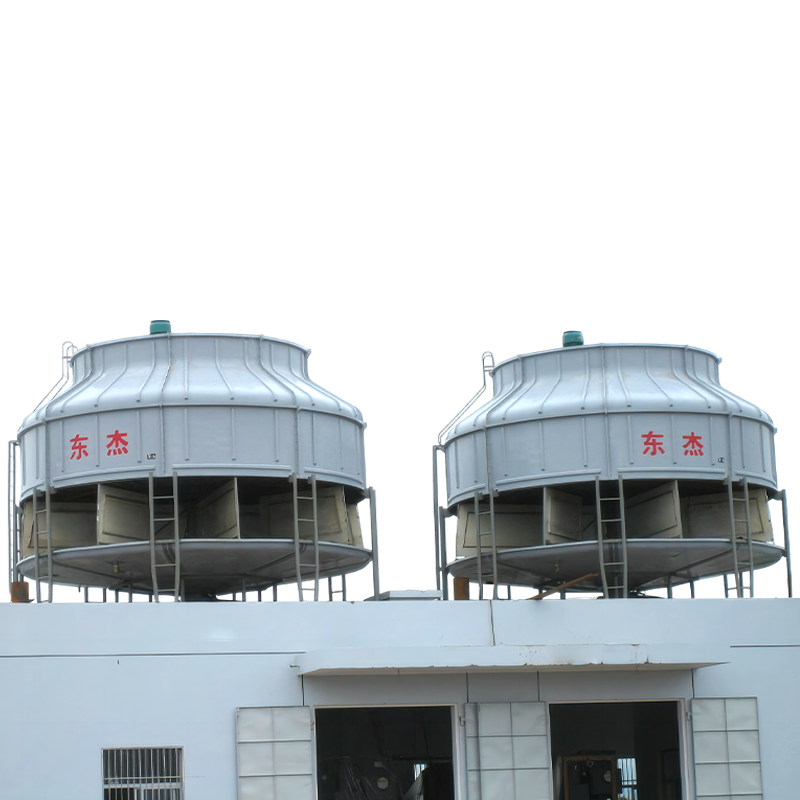
The Direct Answer: Sealed Circulation Keeps Process Water Clean A closed circuit cooling tower is considered essential for contamination-free industrial coolin...
READ MOREAug 07, 2026
Content
A closed circuit cooling tower is essential for contamination-free industrial cooling because the fluid being cooled, whether water, glycol, or a process chemical, never comes into direct contact with the outside air, dust, or the spray water circulating through the tower. Instead, the process fluid flows through a sealed coil bundle, while a separate stream of water is sprayed over the outside of the coil and evaporates to pull heat away. This physical separation means the equipment, piping, or process loop connected to the tower stays sealed from airborne particulates, biological growth, and scaling that would otherwise accumulate inside an open system. Because the process side never mixes with the evaporative spray water, contamination risk to sensitive equipment such as chillers, injection molding machinery, or laser systems drops substantially compared to a direct-contact open tower. This separation principle is the foundation for why closed circuit systems are specified anywhere fluid purity or equipment protection is a priority.
An open cooling tower allows the process water itself to fall directly through the fill media and come into contact with ambient air, dust, pollen, and airborne microorganisms before returning to the system it serves. Over time, this direct exposure introduces particulate matter and biological contaminants into the circulating water, which then travels back into heat exchangers, condensers, or process equipment downstream. A closed circuit tower avoids this pathway entirely by routing the process fluid through a coil, typically constructed from finned or bare tube sections, while a secondary spray water circuit handles the evaporative cooling work on the coil's exterior surface.
The spray water in a closed circuit system still requires its own water treatment program to control scale and biological growth, but because this water never enters the process loop, any contamination stays confined to the tower basin rather than migrating into sensitive equipment. This makes the closed circuit configuration particularly suited to applications where even minor fouling of internal components can result in reduced efficiency or costly equipment damage.
Open vs. Closed Circuit: Key Differences
Open tower: process water contacts outside air directly
Closed tower: process fluid stays sealed inside a coil
Open tower: airborne debris enters the circulating water
Closed tower: contamination stays confined to the spray basin
Closed tower: dedicated spray-side water treatment protects the coil
Coils inside a closed circuit tower are commonly fabricated from galvanized steel, stainless steel, or copper, with the choice depending on the corrosiveness of the spray water and the fluid being circulated inside. Stainless steel coils are often selected for facilities using treated or recycled water sources where chloride content is a concern, since chloride exposure can accelerate pitting corrosion in lower-grade materials over extended service periods. Copper coils, while offering strong thermal conductivity, are generally reserved for applications where the spray water chemistry has been carefully controlled to avoid accelerated erosion.
Beneath the coil, a section of fill media increases the contact surface area between the falling spray water and the air being drawn through the tower, improving evaporative heat rejection before the spray water returns to the basin. This layered approach, combining coil-side heat transfer with fill-assisted evaporation, allows a closed circuit tower to achieve heat rejection performance close to that of an open tower while maintaining the contamination barrier that defines the closed circuit category.
Because the process fluid circulates in a sealed loop, water loss from the primary process side is essentially eliminated, with the only meaningful water consumption occurring in the secondary spray circuit through evaporation, drift, and periodic bleed-off to control mineral concentration. This structure allows facilities to operate the process loop indefinitely without replenishment, while the spray water side can be managed through standard water treatment practices such as conductivity-based bleed control and biocide dosing. In regions facing water use restrictions, this separation gives facility operators a clearer path to reducing overall water withdrawal, since only the evaporative side needs ongoing makeup water rather than the entire process cooling volume.
Maintenance on a closed circuit tower centers primarily on the spray water side, since this is the surface exposed to airborne debris and biological growth. Routine basin cleaning, fill media inspection, and water treatment chemistry monitoring keep the spray system operating efficiently, while the internal coil, protected from direct air exposure, typically requires far less frequent cleaning than the wetted surfaces of an open tower system. Because the process loop stays sealed, operators also avoid the recurring cost of replacing process-side water lost to drift and evaporation, which can represent a meaningful portion of operating expense in open tower configurations serving continuous industrial processes.
Periodic coil inspection using ultrasonic thickness testing or visual borescope examination helps confirm that internal corrosion or scaling has not developed on the coil's fluid-side surface, which can occur gradually even in a sealed loop if water chemistry inside the process circuit is not properly maintained at startup and during periodic servicing.
Routine Maintenance Checklist
Clean the basin and fill media on a regular schedule
Monitor spray-side water treatment chemistry consistently
Inspect the coil periodically with ultrasonic or borescope testing
Verify process-side water chemistry at startup and servicing
Check fan assemblies and motor mounts for vibration wear
Closed circuit cooling towers appear across a range of industries where the cooling fluid interacts directly with sensitive equipment or a controlled process environment. The table below outlines common application areas and the specific contamination concern each addresses.
| Industry | Cooling Application | Contamination Concern Addressed |
|---|---|---|
| Semiconductor manufacturing | Process water cooling loops | Particulate sensitivity in cleanroom-adjacent systems |
| Data center facilities | Chiller condenser water | Fouling protection for heat exchanger surfaces |
| Plastics and injection molding | Mold and hydraulic fluid cooling | Scale prevention in tight mold cooling channels |
| Pharmaceutical production | Purified process fluid loops | Biological contamination isolation |
| Power generation | Generator and lubrication oil cooling | Equipment protection from airborne debris |
The casing and structural framework of a closed circuit tower are typically built from galvanized or stainless steel panels designed to withstand continuous exposure to moisture, cycling humidity, and outdoor weather conditions over an extended service period. Fan assemblies, motor mounts, and structural supports are engineered to handle the vibration loads associated with continuous fan operation, while corrosion-resistant fasteners and coatings reduce the rate of structural degradation in coastal or high-humidity environments. A well-maintained closed circuit tower, with regular basin cleaning and periodic coil inspection, commonly remains in service for two to three decades, a lifespan supported by the reduced fouling load on internal components compared to fully open systems.
As facilities across semiconductor fabrication, data processing, and pharmaceutical production continue to expand cooling capacity to support higher heat loads, the tolerance for fluid contamination in these systems has become tighter rather than looser. A closed circuit cooling tower addresses this shift by keeping the barrier between process fluid and open air intact throughout the equipment's operating life, offering a cooling method suited to environments where fluid cleanliness directly affects equipment reliability and process consistency.
Related Products
The Direct Answer: Sealed Circulation Keeps Process Water Clean A closed circuit cooling tower is considered essential for contamination-free industrial coolin...
READ MOREIndustrial cooling accounts for nearly a fifth of global electricity consumption. As climate targets tighten and energy costs surge, the race toward high-effi...
READ MOREIn industrial cooling systems, water is both the most essential element and the most common source of operational problems. Scale, corrosion, fouling, and micr...
READ MORESteel Structure Cooling Towers Outperform Traditional Concrete in Modern Industrial Applications Steel structure cooling towers are the preferred choice for mo...
READ MOREStructural Frame Material Sets the Baseline for Service Life A steel structure cooling tower uses a galvanized or coated steel frame in place of the wood or FR...
READ MOREAs the chemical processing and new energy sectors confront the converging imperatives of decarbonization targets, tightening environmental regulations, and th...
READ MORE
dj@djcoolingtower.com
+86-0575-82433555 (Extension 0)
+86 130 6551 5158 Manager Zhang
