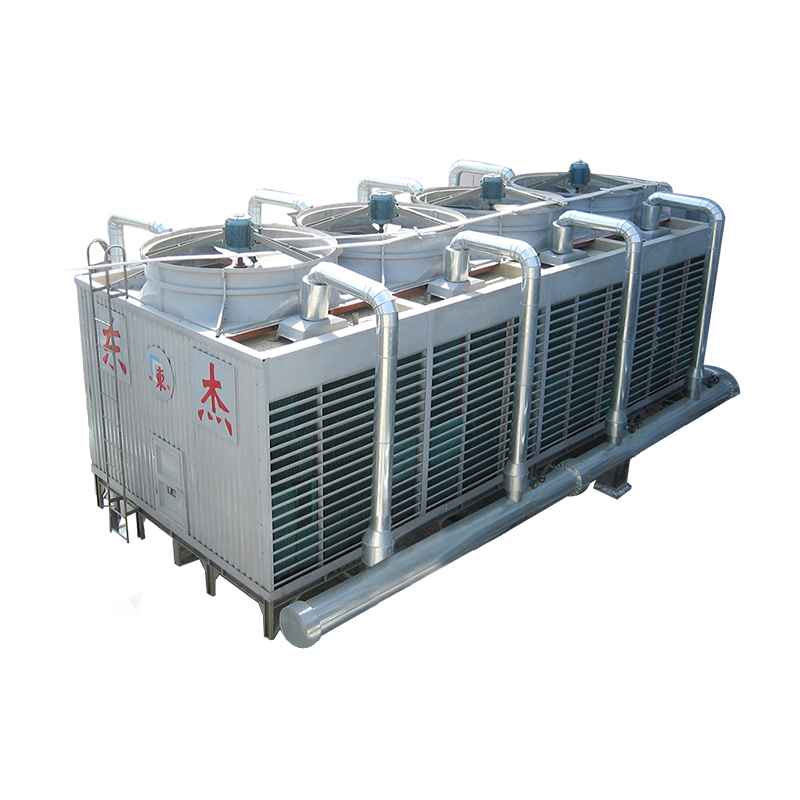
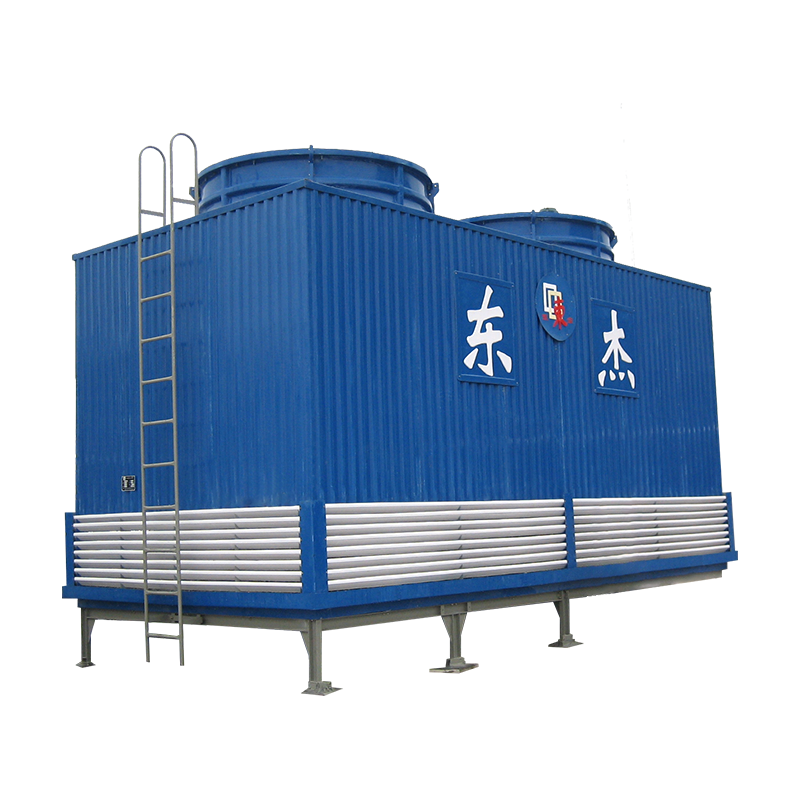
Industrial cooling systems are essential for maintaining production efficiency, equipment safety, and stable operating temperatures across a wide range of industries. From power generation and petrochemical processing to metallurgy, chemical engineering, and HVAC systems, cooling towers play a critical role in ensuring continuous industrial operation. Among the various cooling solutions available today, Steel Structure Cooling Towers and Steel Cooling Towers are widely recognized for their outstanding durability, structural stability, and high cooling efficiency.
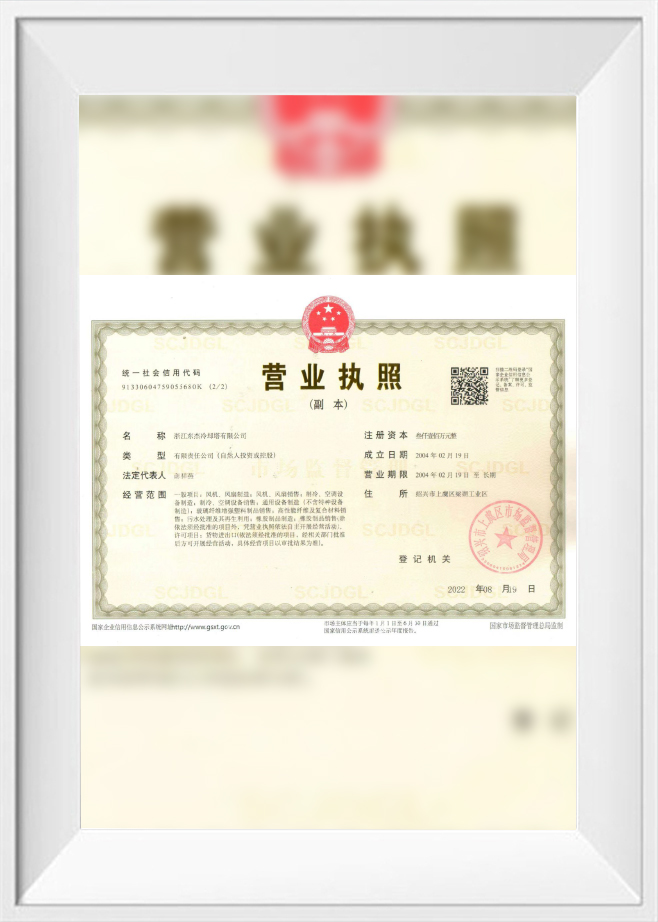
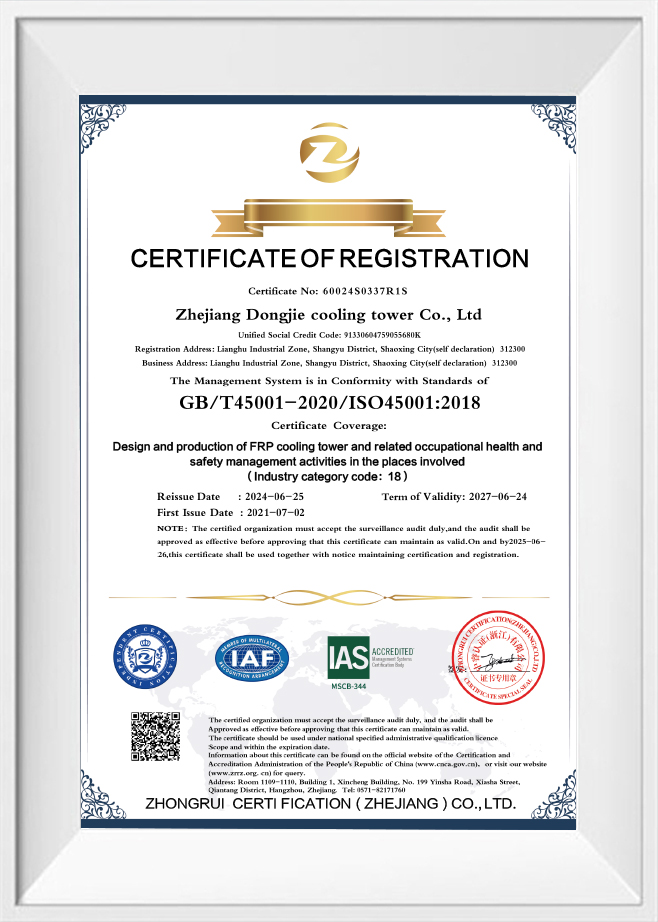
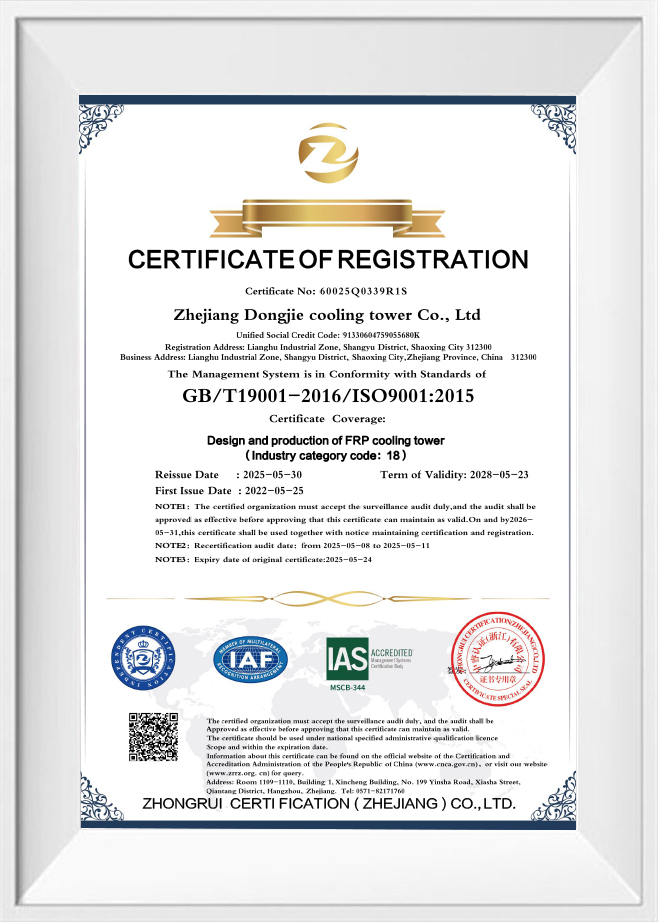
As a professional industrial cooling tower manufacturer, Zhejiang Dongjie Cooling Tower Co., Ltd. has focused on the design, manufacturing, and engineering of cooling tower systems for more than 40 years. Located in Shangyu District of Shaoxing City, the company is a national high-tech enterprise serving industries including power generation, chemicals, petrochemicals, metallurgy, environmental protection, and new energy sectors. Through advanced engineering systems, strict quality management, and continuous technological innovation, Zhejiang Dongjie Cooling Tower Co., Ltd. provides reliable cooling solutions for industrial customers worldwide.
Why Are Steel Structure Cooling Towers Widely Used in Large Industrial Projects?
Steel Structure Cooling Towers have become one of the most important cooling solutions for large-scale industrial applications due to their strong structural performance, high durability, and flexible engineering design. In industries where cooling systems must operate continuously under demanding conditions, structural reliability is extremely important. Steel structures provide the necessary strength and stability required for long-term industrial operation.
One of the biggest advantages of steel structure cooling towers is their excellent load-bearing capacity. Industrial cooling systems often need to support large water circulation volumes, heavy fan systems, piping systems, and internal thermal exchange components. Steel structures can efficiently withstand these mechanical loads while maintaining operational stability over many years of service.
| Structural Feature |
Main Advantage |
| High Structural Strength |
Supports large industrial cooling systems |
| Excellent Stability |
Suitable for continuous operation |
| Flexible Engineering Design |
Adapts to different project requirements |
| Long Service Life |
Reduces replacement frequency |
| Strong Wind Resistance |
Suitable for outdoor industrial environments |
Large industrial projects such as thermal power plants, petrochemical facilities, and metallurgical factories usually operate in complex environments where cooling towers are exposed to vibration, high temperatures, moisture, and chemical substances. Steel structure cooling towers are specifically engineered to withstand these demanding operating conditions. Their robust structural framework ensures reliable operation even under heavy industrial workloads.
Another important reason for the popularity of steel structure cooling towers is their design flexibility. Steel structures can be customized according to project size, cooling capacity, site layout, and operational requirements. This flexibility allows engineers to design cooling systems that maximize space utilization while maintaining efficient cooling performance. In modern industrial facilities where installation space is limited, customized steel cooling tower solutions can provide significant engineering advantages.
Zhejiang Dongjie Cooling Tower Co., Ltd. has extensive experience in designing steel structure cooling towers for different industrial applications. The company’s engineering team carefully analyzes environmental conditions, cooling loads, airflow requirements, and installation limitations before developing customized solutions for customers. Through advanced engineering calculations and precise manufacturing processes, Dongjie ensures that every cooling tower meets high standards of safety and performance.
Steel structure cooling towers also offer advantages in terms of future expansion and system modification. As industrial production demands increase, facilities may require higher cooling capacities or additional cooling equipment. Steel structures can be more easily modified or expanded compared with traditional construction methods, helping industrial users adapt to changing production requirements.
In addition, modern anti-corrosion technologies significantly improve the durability of steel cooling towers. Galvanized steel materials, protective coatings, and advanced surface treatment technologies help prevent corrosion and extend equipment lifespan. This is especially important in humid environments, coastal regions, and chemical processing plants where cooling towers are continuously exposed to corrosive substances.
With the ongoing growth of industrial infrastructure worldwide, steel structure cooling towers continue to provide reliable, efficient, and durable cooling solutions for heavy industrial applications. Zhejiang Dongjie Cooling Tower Co., Ltd. remains committed to supplying high-quality steel cooling tower systems that meet the evolving needs of global industrial customers.
How Do Steel Cooling Towers Improve Cooling Efficiency and Operational Stability?
The primary purpose of a cooling tower is to remove excess heat generated during industrial production processes. Efficient cooling performance is essential for maintaining stable equipment operation, preventing overheating, and improving overall production efficiency. Steel Cooling Towers are designed to provide highly efficient heat exchange performance while ensuring long-term operational reliability in demanding industrial environments.
One of the key advantages of steel cooling towers is their ability to support large-scale cooling operations. Industries such as power generation, petrochemicals, metallurgy, and manufacturing often produce significant amounts of heat during continuous production. Steel cooling towers can handle large water flow rates and high thermal loads, making them suitable for heavy-duty industrial applications.
| Cooling System Component |
Operational Benefit |
| High-Efficiency Fan System |
Improves airflow performance |
| Advanced Water Distribution |
Enhances heat exchange efficiency |
| Durable Steel Framework |
Ensures stable long-term operation |
| Optimized Fill Media |
Maximizes cooling performance |
| Corrosion Protection System |
Extends equipment lifespan |
Efficient airflow management is one of the most important factors affecting cooling tower performance. Modern steel cooling towers use advanced fan systems and optimized airflow channel designs to increase the contact area between air and circulating water. This improves evaporation efficiency and enhances overall heat transfer performance.
Water distribution systems also play a critical role in cooling efficiency. Uniform water distribution allows the cooling tower to maximize thermal exchange across the fill media surface. Advanced nozzle systems and water distribution technologies help prevent uneven water flow, ensuring stable cooling performance under different operating conditions.
Energy efficiency has become increasingly important in industrial cooling systems. Since cooling towers often operate continuously throughout the year, reducing fan motor energy consumption can significantly lower operational costs. Zhejiang Dongjie Cooling Tower Co., Ltd. continuously improves cooling tower designs to optimize airflow efficiency and reduce power consumption while maintaining stable thermal performance.
Another major advantage of steel cooling towers is their excellent operational stability. Industrial facilities require cooling systems that can maintain consistent performance even during fluctuating workloads and changing environmental conditions. Steel structures provide the rigidity and mechanical strength necessary to support stable operation over long periods of time.
Maintenance accessibility is also an important consideration for industrial cooling systems. Steel cooling towers are typically designed with maintenance platforms, inspection access points, and modular internal components to simplify routine inspection and servicing. Easy maintenance access helps reduce downtime and improves overall system reliability.
In recent years, intelligent monitoring technologies have been increasingly integrated into industrial cooling systems. Modern steel cooling towers can be equipped with automated control systems that monitor water temperature, fan speed, airflow, and operational performance in real time. These intelligent systems help operators optimize cooling efficiency, reduce maintenance risks, and improve operational management.
As industries continue to pursue higher energy efficiency and more sustainable production methods, steel cooling towers remain a reliable and cost-effective solution for industrial thermal management. Zhejiang Dongjie Cooling Tower Co., Ltd. continues to invest in engineering innovation and product development to provide advanced cooling solutions for industrial customers around the world.
What Should Industrial Buyers Consider When Choosing a Steel Structure Cooling Tower?
Selecting the right steel structure cooling tower is a critical decision that directly affects cooling performance, operational efficiency, and long-term investment value. Industrial buyers must carefully evaluate multiple technical, environmental, and operational factors to ensure the cooling system can meet both current and future production requirements.
One of the most important considerations is cooling capacity. Different industries generate different levels of process heat, and cooling towers must be capable of handling the required thermal load. Engineers typically calculate cooling capacity based on circulating water flow rate, inlet and outlet water temperatures, ambient climate conditions, and production heat generation. Selecting an appropriately sized cooling tower helps ensure efficient and stable operation.
| Selection Factor |
Importance for Industrial Users |
| Cooling Capacity |
Determines thermal performance |
| Structural Strength |
Ensures long-term operational safety |
| Corrosion Resistance |
Extends service life |
| Energy Efficiency |
Reduces operating costs |
| Maintenance Convenience |
Improves operational reliability |
Environmental conditions should also be carefully considered during the selection process. Cooling towers installed in coastal regions, chemical plants, or high-humidity environments may face increased corrosion risks. In these situations, selecting high-quality steel materials and advanced anti-corrosion protection systems is essential for extending equipment lifespan and reducing maintenance requirements.
Project installation conditions are another important factor. Industrial facilities often have limited installation space or complex equipment layouts. Steel structure cooling towers offer flexible engineering designs that can be customized according to site requirements, helping customers maximize available space and improve system integration.
Energy efficiency is becoming increasingly important for industrial operations due to rising energy costs and environmental regulations. Modern steel cooling towers designed with energy-saving fan systems, optimized airflow structures, and efficient water distribution technologies can significantly reduce electricity consumption over the long term.
Zhejiang Dongjie Cooling Tower Co., Ltd. provides customized cooling tower solutions tailored to different industrial applications and project conditions. The company’s experienced engineering team works closely with customers to analyze cooling requirements, environmental conditions, and operational objectives before developing optimized cooling tower systems.
Product quality and technical support are also critical considerations when selecting a cooling tower supplier. Reliable manufacturers should have advanced manufacturing capabilities, strict quality control systems, and comprehensive engineering support services. Zhejiang Dongjie Cooling Tower Co., Ltd. has established a strong reputation through decades of manufacturing experience, professional engineering expertise, and reliable after-sales support.
The company’s cooling tower solutions are widely used in industries including power generation, petrochemicals, metallurgy, environmental engineering, HVAC systems, and new energy projects. Dongjie’s products have also been exported to multiple international markets such as Russia, Kazakhstan, Indonesia, Pakistan, and Africa, demonstrating the company’s strong competitiveness and global service capabilities.
As industrial technology continues to evolve, steel structure cooling towers are moving toward higher efficiency, smarter operational management, and improved environmental performance. By selecting high-quality cooling tower systems from experienced manufacturers, industrial buyers can achieve stable cooling performance, lower operating costs, and long-term operational reliability.
FAQ
Q1: What are the main advantages of steel structure cooling towers?
A1: Steel structure cooling towers offer high structural strength, excellent durability, strong load-bearing capacity, flexible design options, and long operational lifespan, making them ideal for large industrial applications.
Q2: Which industries commonly use steel cooling towers?
A2: Steel cooling towers are widely used in power generation, petrochemical processing, metallurgy, chemical manufacturing, HVAC systems, environmental engineering, and other heavy industrial sectors.
Q3: How do steel cooling towers improve energy efficiency?
A3: Modern steel cooling towers utilize optimized airflow systems, energy-efficient fan motors, advanced water distribution technology, and improved heat exchange designs to reduce energy consumption while maintaining stable cooling performance.
Q4: Does Zhejiang Dongjie Cooling Tower Co., Ltd. provide customized cooling tower solutions?
A4: Yes. Zhejiang Dongjie Cooling Tower Co., Ltd. offers customized cooling tower designs based on customer cooling requirements, project conditions, environmental factors, and industrial applications.
Q5: What factors should buyers consider when selecting a steel structure cooling tower?
A5: Buyers should evaluate cooling capacity, structural strength, corrosion resistance, energy efficiency, maintenance accessibility, installation conditions, and the technical capabilities of the cooling tower manufacturer.


 English
 русский
 中文简体
中文简体