Why Large-Scale Civil Cooling Towers Are the Backbone of Modern Urban Cooling Systems
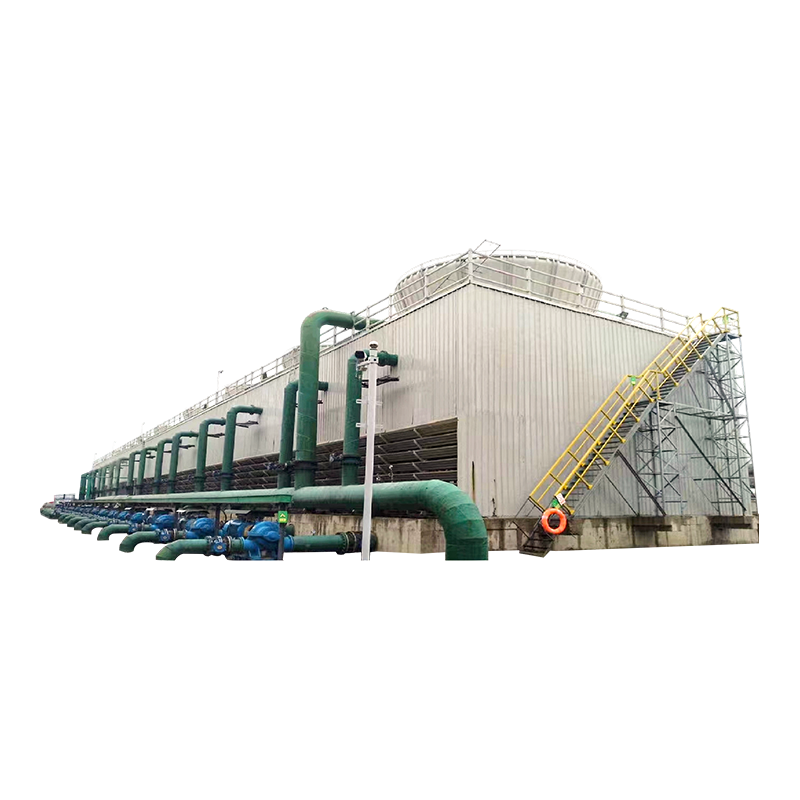
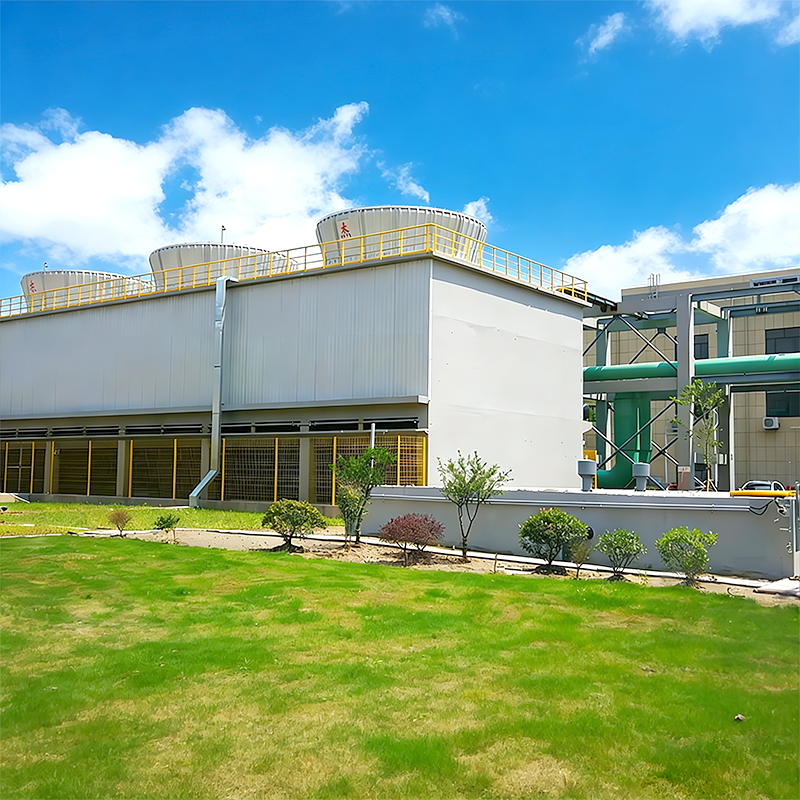
With the rapid expansion of global urbanization, modern cities are facing increasingly complex cooling demands from commercial buildings, transportation hubs, residential complexes, and public infrastructure. In this context, Large-Scale Civil Cooling Towers have become a fundamental component of centralized HVAC systems, ensuring stable thermal management for entire urban districts. These systems are no longer just auxiliary equipment—they are now a core part of sustainable city infrastructure.
A large-scale civil cooling tower is designed to handle extremely high heat loads generated by centralized air-conditioning systems. In large buildings such as shopping malls, hospitals, airports, and office complexes, chilled water systems circulate continuously to absorb indoor heat. The cooling tower is responsible for releasing this heat into the atmosphere through efficient evaporative cooling. Without it, HVAC systems would quickly become overloaded, leading to energy waste and unstable indoor environments.
One of the most important advantages of large-scale civil cooling towers is their ability to support district cooling systems, where a single cooling station serves multiple buildings. This centralized approach significantly improves energy efficiency and reduces overall infrastructure complexity. Instead of each building operating independent cooling equipment, a shared cooling tower system provides stable and controlled cooling for the entire area.
Another critical factor is long-term operational efficiency. Large civil cooling towers are designed for continuous operation, often running 24/7 throughout the year. To achieve this, modern designs incorporate high-efficiency fill media, optimized airflow structures, corrosion-resistant materials, and intelligent monitoring systems. These improvements ensure stable performance even under fluctuating environmental conditions.
Water conservation is also a key concern. Compared to traditional cooling methods, advanced civil cooling towers significantly reduce water consumption through improved circulation control and drift elimination systems. This is particularly important in regions facing water scarcity or strict environmental regulations.
The following table summarizes the main functional advantages of large-scale civil cooling towers:
| Function Area |
Performance Benefit |
| Heat Rejection Efficiency |
High-capacity thermal discharge |
| System Integration |
Supports district cooling networks |
| Energy Optimization |
Reduces HVAC electricity consumption |
| Water Efficiency |
Lower evaporation loss |
| Structural Stability |
Long-term continuous operation |
| Environmental Impact |
Reduced carbon footprint |
| Automation Control |
Smart operation adjustment |
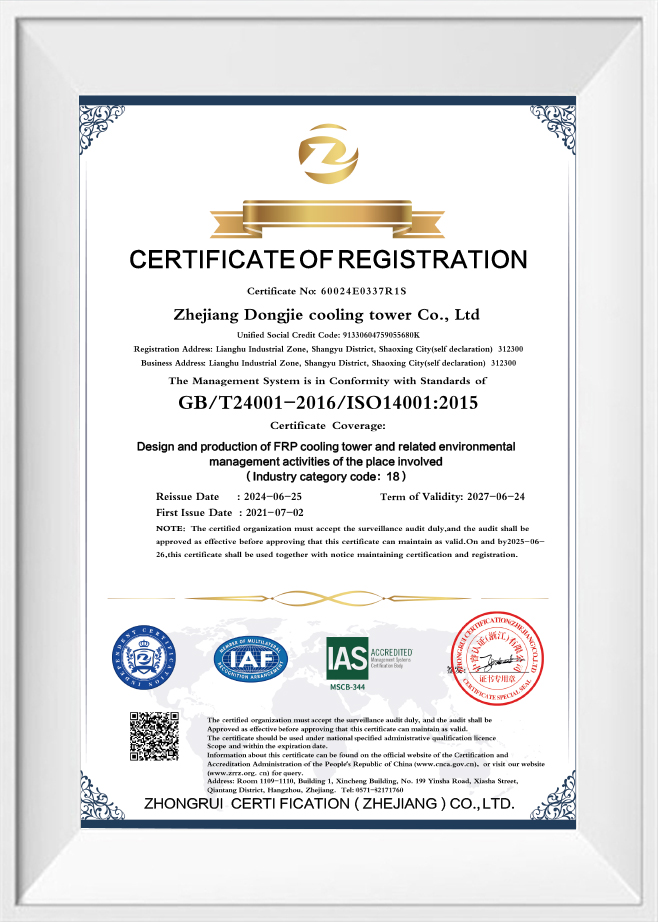
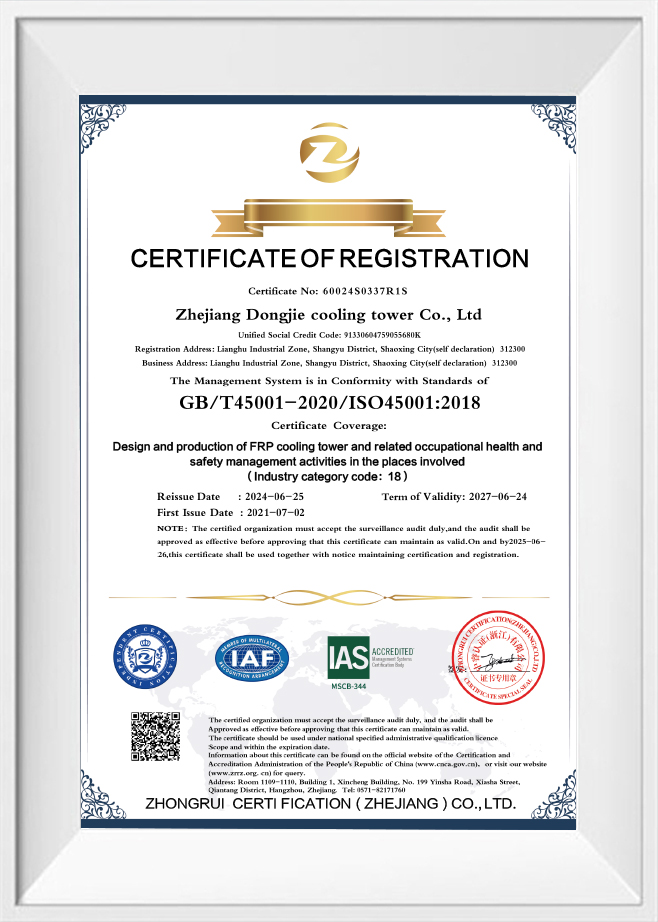
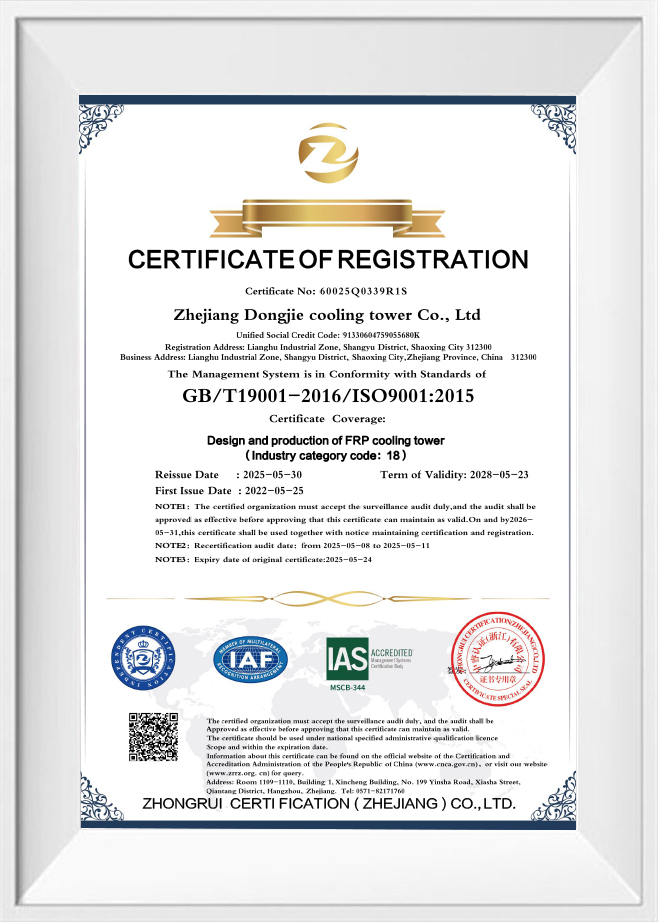
As a professional manufacturer, Zhejiang Dongjie Cooling Tower Co., Ltd. specializes in designing and producing high-performance civil cooling systems for global infrastructure projects. With strong engineering capabilities and advanced manufacturing technology, the company focuses on delivering reliable, energy-efficient, and durable cooling tower solutions for modern urban development. Zhejiang Dongjie Cooling Tower Co., Ltd. integrates intelligent control systems and optimized structural designs to ensure maximum cooling efficiency while minimizing operational costs.
Today, as cities move toward smart infrastructure and sustainable development, large-scale civil cooling towers are becoming indispensable for maintaining energy-efficient and environmentally friendly urban ecosystems.
How Civil Project Cooling Towers Improve Building Efficiency and Long-Term Operational Stability
In modern construction engineering, especially in large civil projects, maintaining stable indoor temperature control is essential for both comfort and operational efficiency. Civil Project Cooling Towers play a vital role in supporting centralized HVAC systems that serve large buildings such as hospitals, commercial complexes, airports, hotels, and government facilities.
A civil project cooling tower works by dissipating heat absorbed from chilled water systems. As the chilled water circulates through air conditioning systems, it absorbs heat from indoor environments. This heat is then transferred to the cooling tower, where it is released into the atmosphere through evaporative cooling. This process ensures that indoor environments remain comfortable even during peak summer conditions.
One of the key benefits of civil project cooling towers is their ability to improve overall building energy efficiency. In large-scale buildings, HVAC systems often account for more than 40% of total energy consumption. By optimizing heat exchange performance, cooling towers reduce the workload on chillers and compressors, significantly lowering electricity usage.
Another important advantage is operational stability. Civil engineering projects require continuous and uninterrupted cooling performance. Any fluctuation in temperature control can affect equipment performance, occupant comfort, and system reliability. Modern cooling towers use advanced control systems to automatically adjust fan speed, water flow, and cooling output based on real-time conditions.
Noise control is also a critical factor in civil projects. In urban environments, cooling systems must operate quietly to avoid disturbing nearby residents and building occupants. Modern cooling towers use low-noise fan designs, vibration reduction structures, and optimized airflow channels to ensure quiet operation.
Below is a table highlighting key performance benefits of civil project cooling towers:
| Performance Factor |
Improvement Result |
| Energy Efficiency |
Reduced HVAC load |
| Temperature Stability |
Consistent indoor comfort |
| Noise Control |
Low operational noise |
| Automation |
Smart system adjustment |
| Maintenance Cost |
Reduced servicing frequency |
| Water Efficiency |
Lower consumption |
| System Reliability |
Continuous operation capability |
As an experienced industrial manufacturer, Zhejiang Dongjie Cooling Tower Co., Ltd. provides advanced cooling tower solutions tailored for civil engineering projects. The company integrates modern manufacturing technology, intelligent control systems, and energy-saving designs to meet the high demands of large infrastructure developments. Zhejiang Dongjie Cooling Tower Co., Ltd. focuses on delivering long-term reliability and high-performance cooling systems that support sustainable building operation.
With the rise of smart cities and green building standards, civil project cooling towers are becoming increasingly important in shaping energy-efficient urban environments.
Why Residential and Concrete Cooling Towers Are Essential for Sustainable Urban Development
As urban populations continue to grow, residential communities and large infrastructure projects are placing higher demands on efficient and sustainable cooling systems. Residential Cooling Towers and Concrete Cooling Towers have become essential solutions for modern urban development due to their efficiency, durability, and scalability.
Residential cooling towers are widely used in apartment complexes, gated communities, high-rise residential buildings, and mixed-use developments. These systems support centralized HVAC networks that provide cooling for multiple residential units simultaneously. Compared to individual air conditioning systems, centralized cooling towers offer better energy efficiency and simplified maintenance.
One of the main advantages of residential cooling towers is cost efficiency. By sharing a centralized cooling system, residential communities can significantly reduce electricity consumption and maintenance expenses. In addition, centralized systems help improve space utilization by reducing the need for multiple outdoor units on building facades or rooftops.
Concrete cooling towers, on the other hand, are designed for large-scale infrastructure and industrial applications. Constructed using reinforced concrete, these towers offer exceptional durability and structural strength. They are commonly used in power plants, district cooling systems, petrochemical facilities, and major urban infrastructure projects.
Concrete cooling towers are especially valued for their long service life and resistance to harsh environmental conditions. They can operate reliably for decades with minimal structural degradation. This makes them ideal for projects that require long-term stability and high cooling capacity.
The following table compares residential and concrete cooling towers:
| Type |
Key Advantage |
Application Area |
| Residential Cooling Tower |
Energy efficiency |
Housing communities |
| Residential Cooling Tower |
Centralized management |
Apartment complexes |
| Concrete Cooling Tower |
High durability |
Power plants |
| Concrete Cooling Tower |
Large cooling capacity |
Industrial infrastructure |
| Both Systems |
Stable operation |
Urban development |
| Both Systems |
Long service life |
Large-scale projects |
Modern cooling systems are also increasingly integrated with intelligent monitoring technologies. Automated controls help optimize water circulation, fan speed, and energy consumption based on real-time demand. This improves operational efficiency while supporting smart city initiatives.
As a professional manufacturer, Zhejiang Dongjie Cooling Tower Co., Ltd. provides high-quality residential and concrete cooling tower solutions designed for long-term urban development. The company focuses on engineering innovation, durable construction, and energy-efficient system design to support modern infrastructure needs. By combining advanced manufacturing capabilities with customized engineering services, Zhejiang Dongjie Cooling Tower Co., Ltd. helps clients achieve sustainable and efficient cooling performance.
As cities continue to expand and modernize, residential and concrete cooling towers will remain essential for building sustainable, energy-efficient, and comfortable urban environments.
FAQ
What is a Large-Scale Civil Cooling Tower used for?
It is used in large buildings, infrastructure projects, and district cooling systems to remove heat from centralized HVAC systems.
How do Civil Project Cooling Towers improve efficiency?
They reduce HVAC system load, improve heat exchange efficiency, and lower overall energy consumption in large buildings.
Where are Residential Cooling Towers commonly installed?
They are used in apartment complexes, residential communities, and high-rise housing developments with centralized cooling systems.
Why are Concrete Cooling Towers preferred for large projects?
Because they offer high durability, long service life, and strong structural stability for heavy-duty cooling applications.
Can Zhejiang Dongjie Cooling Tower Co., Ltd. provide customized solutions?
Yes. The company provides customized cooling tower designs based on project scale, environmental conditions, and customer requirements.
Are modern cooling towers energy-efficient?
Yes. Modern systems use intelligent controls, optimized airflow, and energy-saving components to reduce electricity and water consumption.


 English
 русский
 中文简体
中文简体