Why Are Closed Circuit Cooling Towers Becoming the Preferred Choice for Modern Industrial Cooling Systems?
As global industries continue to pursue higher production efficiency, lower operating costs, and stricter environmental compliance, industrial cooling technology has also undergone significant upgrades. Traditional open cooling systems, while widely used in the past, are increasingly unable to meet the modern industry’s demands for water conservation, equipment protection, and stable cooling performance. Against this background, Closed Circuit Cooling Towers and Closed Loop Cooling Towers are rapidly becoming the preferred solution for a wide range of industrial applications.
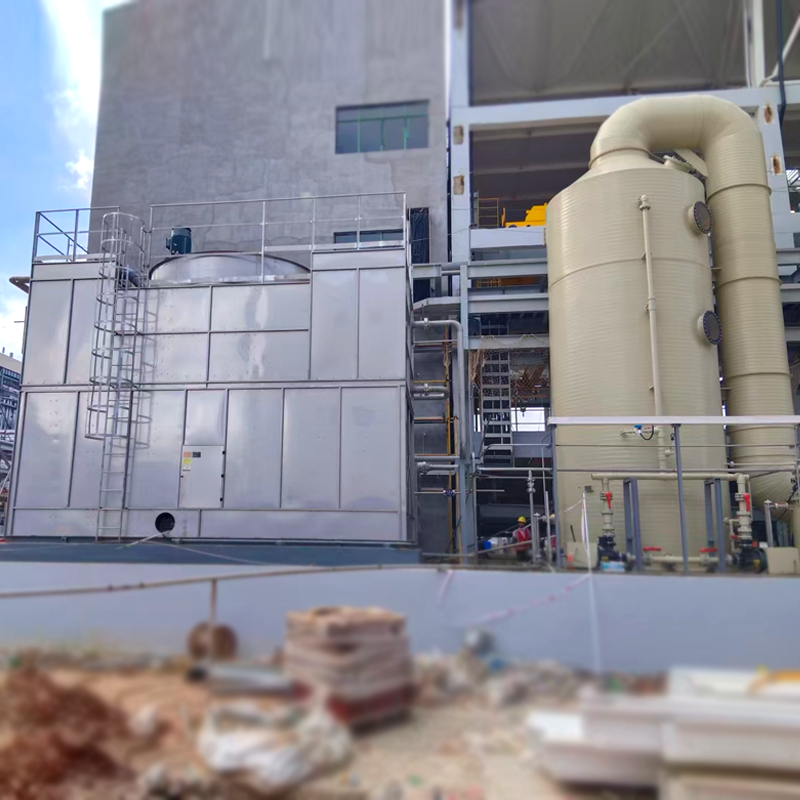
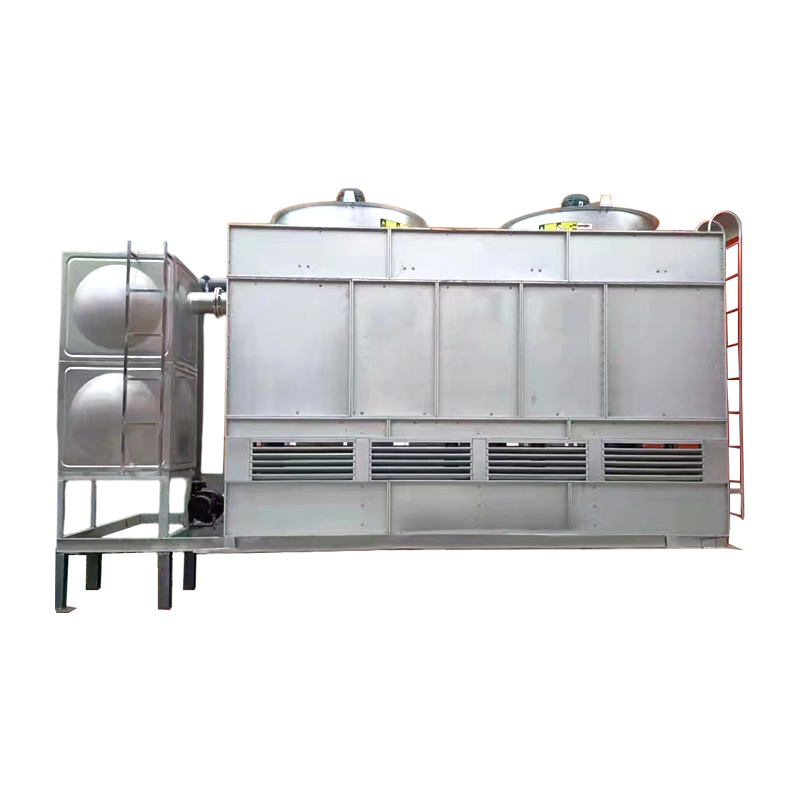
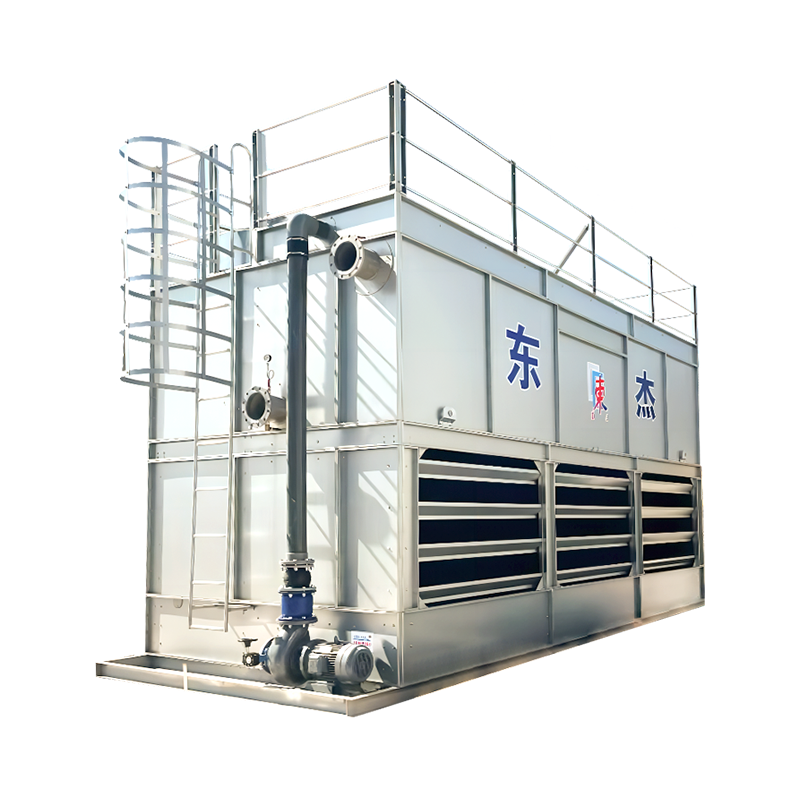
A Closed Circuit Cooling Tower is designed with a sealed circulation loop where the process fluid flows through internal heat exchange coils without directly contacting the outside air. During operation, spray water evenly covers the coil surface while fans force air circulation to achieve efficient evaporative cooling. This design allows heat to transfer effectively while protecting the process fluid from contamination, scaling, and environmental pollutants.
One of the most important reasons industries are adopting closed cooling systems is the increasing need for clean and stable process cooling. In open cooling towers, the cooling water is continuously exposed to dust, bacteria, suspended particles, and minerals in the atmosphere. Over time, these contaminants can cause severe scaling and corrosion inside pipelines and equipment. This not only reduces heat exchange efficiency but also increases maintenance costs and production downtime.
By comparison, a closed loop cooling tower keeps the circulating medium isolated from the external environment. The closed circulation significantly reduces water contamination risks and helps maintain a cleaner internal system. As a result, industrial equipment such as injection molding machines, induction furnaces, air compressors, hydraulic systems, and laser equipment can operate more reliably and efficiently.
In addition, water conservation has become a critical issue for factories worldwide. Traditional open cooling systems often consume large amounts of water due to evaporation, drift loss, and frequent water replacement. Closed circuit cooling towers minimize these problems through controlled circulation and efficient thermal exchange. Many industrial companies now consider water-saving performance an important factor when selecting cooling equipment.
Another major advantage is energy efficiency. Modern closed cooling towers are equipped with intelligent control systems, energy-saving fans, variable frequency drives, and optimized airflow structures. These technologies help reduce electricity consumption while maintaining excellent cooling performance. In large-scale industrial facilities operating continuously throughout the year, even small reductions in energy consumption can result in substantial long-term savings.
The following table highlights the main differences between traditional open cooling systems and modern closed circuit cooling towers:
| Comparison Item |
Open Cooling Tower |
Closed Circuit Cooling Tower |
| Process Fluid Exposure |
Direct contact with air |
Fully enclosed circulation |
| Water Contamination Risk |
High |
Very low |
| Scaling and Corrosion |
Frequent |
Reduced |
| Maintenance Frequency |
High |
Lower |
| Water Consumption |
Large |
Water-saving |
| Equipment Protection |
Moderate |
Excellent |
| Cooling Stability |
Influenced by environment |
More stable |
| Operating Cost |
Higher over time |
Lower long-term cost |
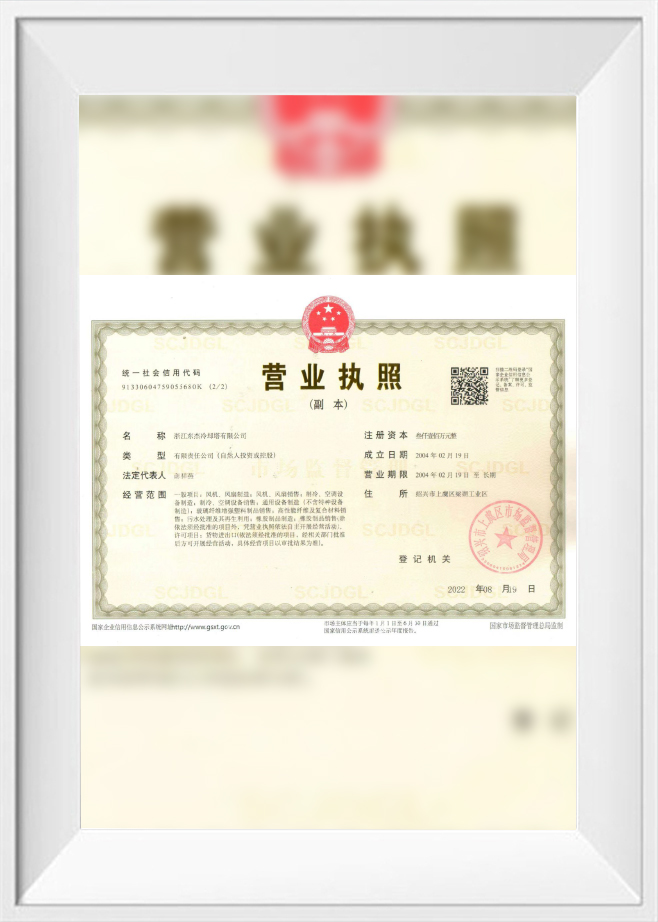
As a professional manufacturer, Zhejiang Dongjie Cooling Tower Co., Ltd. focuses on providing advanced industrial cooling solutions for customers worldwide. The company continuously improves product design, manufacturing technology, and heat exchange efficiency to meet the increasingly complex cooling demands of modern industries. By integrating energy-saving technologies, corrosion-resistant materials, and intelligent control systems, Zhejiang Dongjie Cooling Tower Co., Ltd. helps customers improve production efficiency while reducing operational costs.
Today, industries such as metallurgy, plastics, chemicals, food processing, pharmaceuticals, electronics, HVAC systems, and power generation are increasingly relying on closed cooling technologies. The growing popularity of closed circuit cooling towers reflects not only technological progress but also the global trend toward sustainable industrial development.
How Does a Closed Loop Cooling Tower Improve Equipment Lifespan and Production Stability?
In modern manufacturing environments, production stability is directly connected to cooling system performance. Industrial equipment often operates under high temperatures and continuous workloads, making efficient cooling essential for maintaining operational safety and product quality. A well-designed Closed Loop Cooling Tower can significantly improve equipment lifespan, reduce maintenance frequency, and enhance overall production reliability.
One of the biggest threats to industrial equipment is overheating. When equipment temperatures exceed recommended operating limits, internal components experience accelerated wear, thermal deformation, lubrication failure, and reduced efficiency. In severe cases, overheating may even cause unexpected shutdowns or equipment damage, leading to costly production interruptions.
Closed loop cooling towers are specifically designed to solve these problems through stable and efficient heat exchange. Unlike traditional open cooling systems, the process fluid in a closed loop system remains inside sealed pipelines and heat exchange coils. This design prevents contaminants from entering the circulation system and helps maintain consistent cooling performance over long operating periods.
Stable water quality is one of the key advantages of closed cooling technology. In open systems, impurities such as dust, algae, minerals, and microorganisms can accumulate inside pipelines and heat exchangers. Over time, these deposits reduce heat transfer efficiency and increase the risk of corrosion and blockage. The result is higher energy consumption, lower cooling performance, and increased equipment stress.
A closed circuit cooling tower minimizes these risks by isolating the process fluid from environmental contamination. Cleaner circulation fluid improves heat exchange efficiency and protects critical equipment components from scaling and corrosion. This is especially important for industries that require highly stable cooling conditions, such as plastics processing, electronics manufacturing, laser systems, and precision machinery production.
For example, in injection molding applications, unstable mold temperatures can directly affect product dimensions, surface quality, and production efficiency. Similarly, in induction furnace operations, insufficient cooling may lead to overheating of electrical components and reduced equipment lifespan. Closed loop cooling systems help maintain precise temperature control, ensuring stable production conditions and consistent product quality.
The following table shows how closed loop cooling towers contribute to equipment protection and production stability:
| System Advantage |
Industrial Benefit |
| Clean Closed Circulation |
Reduced contamination risk |
| Stable Cooling Temperature |
Improved product consistency |
| Reduced Scaling |
Better heat transfer efficiency |
| Lower Corrosion Risk |
Extended equipment lifespan |
| Intelligent Control Systems |
Automatic operation adjustment |
| Lower Maintenance Frequency |
Reduced downtime |
| Efficient Heat Exchange |
Lower energy consumption |
Another important factor is maintenance reduction. Traditional cooling systems often require frequent cleaning, descaling, chemical treatment, and component replacement. These maintenance procedures not only increase labor costs but may also interrupt production schedules. Closed cooling towers greatly reduce maintenance requirements because the internal circulation system remains cleaner and more stable.
Modern closed loop cooling towers are also equipped with advanced automation technologies. Intelligent controllers can automatically adjust fan speed, spray water flow, and circulation pump operation according to cooling demand and ambient temperature conditions. This not only improves energy efficiency but also ensures optimal cooling performance under varying operating conditions.
As an experienced cooling equipment manufacturer, Zhejiang Dongjie Cooling Tower Co., Ltd. continuously invests in research and development to improve cooling tower reliability, durability, and thermal efficiency. The company provides customized cooling solutions tailored to different industrial applications, helping customers achieve long-term stable operation and lower overall maintenance costs.
With the increasing demand for intelligent manufacturing and automated production lines, stable cooling systems are becoming more important than ever. Closed loop cooling towers are no longer simply auxiliary equipment; they are now a critical component of modern industrial infrastructure that directly influences productivity, equipment reliability, and operational efficiency.
What Should Customers Consider When Choosing a Closed Cooling Tower Factory?
Selecting the right Closed Cooling Tower Factory is one of the most important decisions for industrial buyers. Cooling towers play a critical role in production systems, and the quality of the cooling equipment directly affects operational efficiency, equipment lifespan, maintenance costs, and energy consumption. Therefore, customers should carefully evaluate manufacturers before making purchasing decisions.
The first factor to consider is manufacturing experience and technical capability. An experienced cooling tower manufacturer typically has a deeper understanding of industrial cooling applications and can provide more reliable technical solutions. Different industries have very different cooling requirements, and only professional manufacturers can design systems that meet specific operational conditions.
For example, chemical industries often require strong corrosion resistance, while food processing industries place higher emphasis on hygienic operation and clean circulation systems. Metallurgical industries may require high-temperature resistance and large cooling capacities. Therefore, the ability to provide customized engineering solutions is extremely important.
The second key consideration is product quality and material selection. High-quality closed circuit cooling towers are usually manufactured using durable materials such as stainless steel, hot-dip galvanized steel, or FRP structures. The heat exchange coil is one of the most critical components because it directly determines cooling efficiency and service life. Advanced coil manufacturing technologies can improve thermal conductivity, corrosion resistance, and mechanical durability.
Customers should also evaluate the energy-saving performance of the cooling tower. As global energy prices continue to rise, reducing electricity consumption has become a major concern for industrial users. Modern closed cooling towers often incorporate variable frequency drive systems, low-noise energy-saving fans, optimized airflow channels, and intelligent temperature controls to improve operating efficiency.
The following table outlines several important factors when choosing a cooling tower supplier:
| Selection Factor |
Importance |
| Manufacturing Experience |
Ensures reliable engineering |
| Product Quality |
Improves equipment lifespan |
| Customization Capability |
Meets different industry needs |
| Energy Efficiency |
Reduces operating cost |
| Technical Support |
Ensures stable operation |
| Material Durability |
Enhances corrosion resistance |
| Intelligent Control Systems |
Improves automation |
| After-sales Service |
Reduces maintenance risks |
After-sales support is another crucial factor that many customers overlook. Industrial cooling systems usually operate continuously for many years, so timely technical assistance and spare parts support are essential. Reliable manufacturers should provide installation guidance, maintenance training, troubleshooting assistance, and long-term technical support.
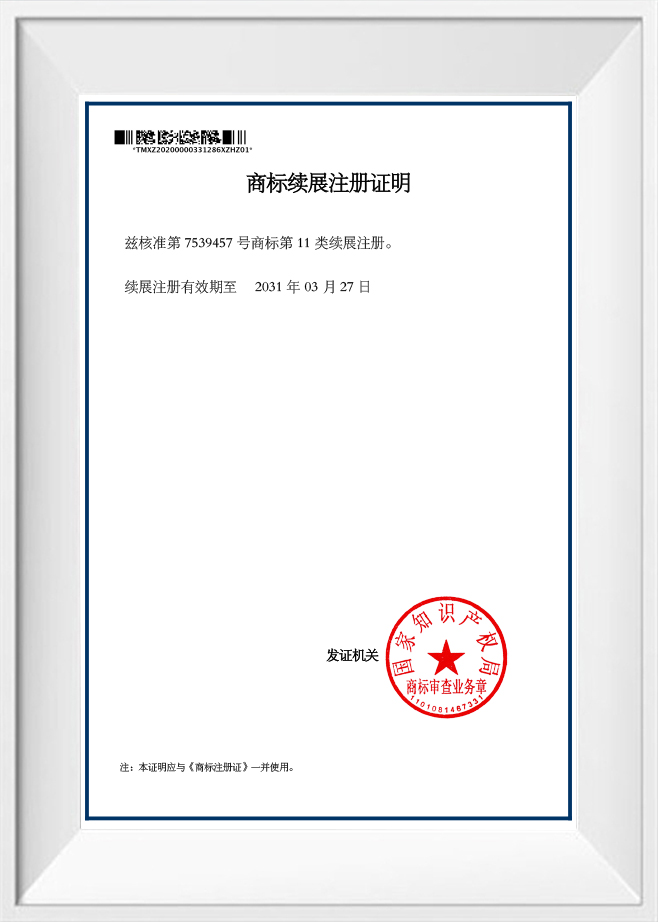
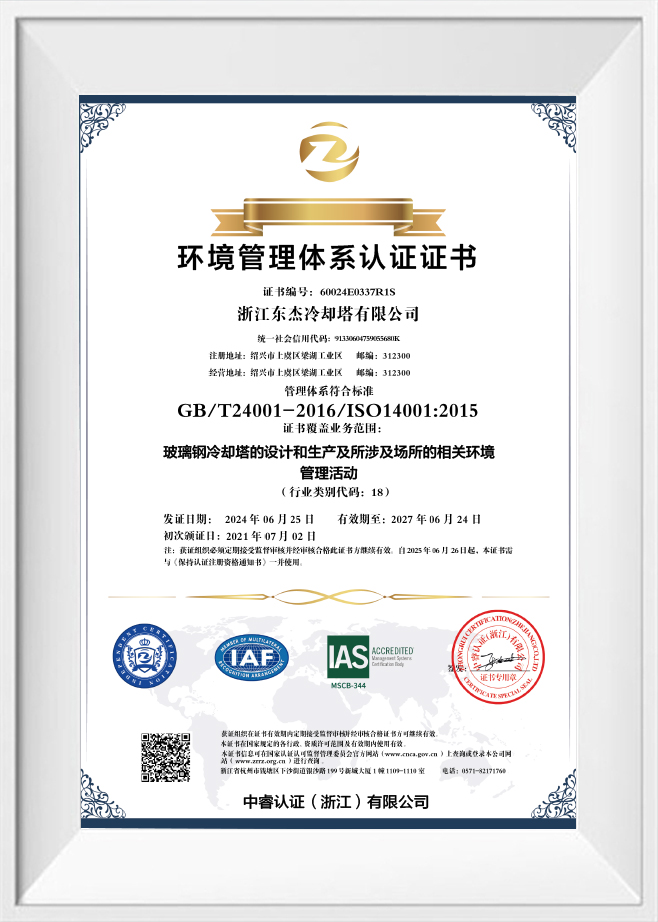
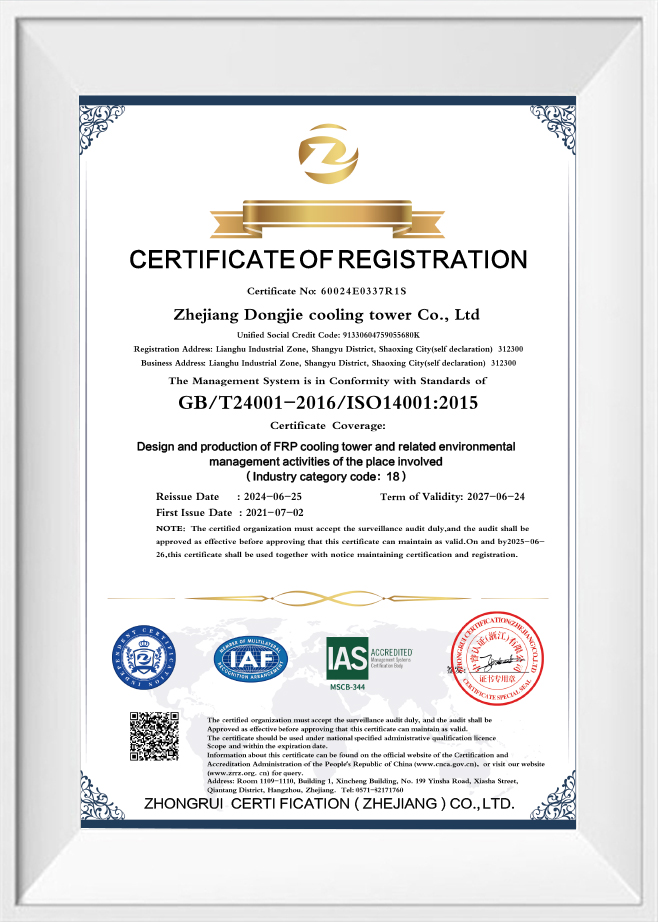
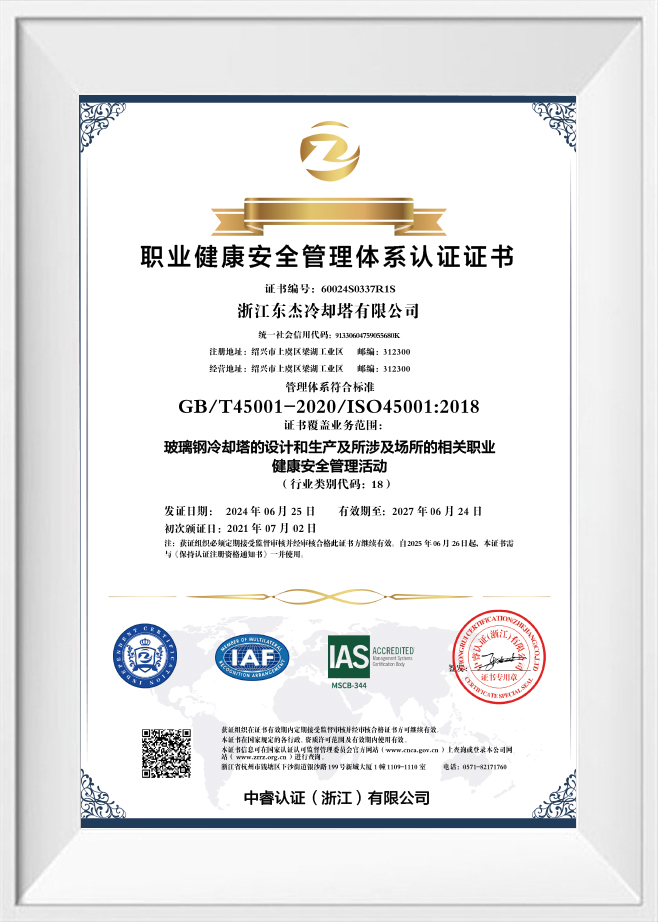
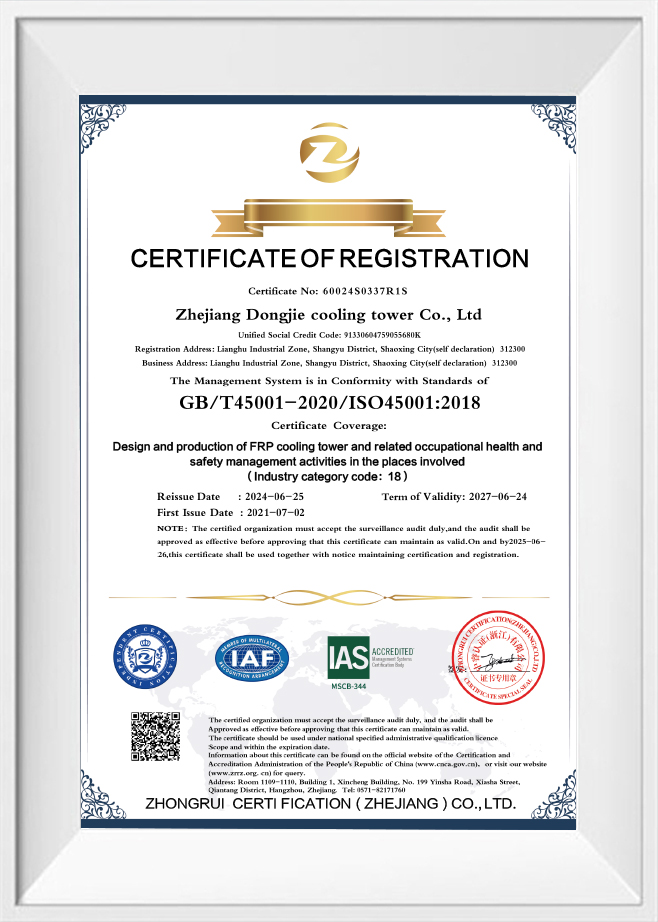
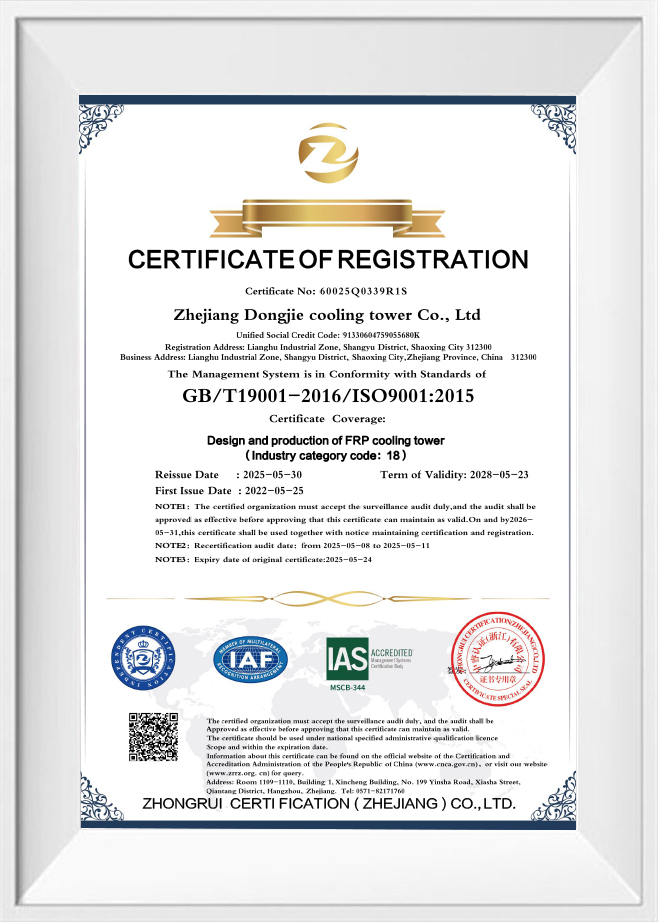
A professional cooling tower factory should also possess strong production capacity and quality management systems. Strict quality inspection during manufacturing helps ensure stable product performance and long-term operational reliability. International certifications and compliance with industry standards also reflect the manufacturer’s professionalism and export capability.
As a trusted industrial cooling solution provider, Zhejiang Dongjie Cooling Tower Co., Ltd. is committed to delivering high-quality closed circuit cooling towers and customized cooling systems for global customers. The company integrates advanced manufacturing technology, strict quality control, and continuous product innovation to provide efficient, energy-saving, and durable cooling equipment.
Zhejiang Dongjie Cooling Tower Co., Ltd. focuses on helping customers optimize industrial cooling performance while reducing water consumption, maintenance costs, and energy usage. By combining professional engineering experience with customer-oriented service, the company has established long-term cooperation with customers from various industries around the world.
As industries continue moving toward automation, environmental sustainability, and intelligent manufacturing, choosing a reliable cooling tower manufacturer becomes increasingly important. A high-quality closed cooling tower not only improves production stability but also contributes to long-term operational efficiency and sustainable industrial development.
FAQ
What is the main advantage of a Closed Circuit Cooling Tower?
The biggest advantage is that the process fluid remains in a sealed circulation system, reducing contamination, scaling, and corrosion while improving cooling stability.
Are Closed Loop Cooling Towers suitable for high-temperature industrial applications?
Yes. Closed loop cooling towers are widely used in metallurgy, chemical processing, plastics, and power generation industries where stable high-temperature cooling is required.
How do closed cooling towers help reduce maintenance costs?
Because the circulation fluid is protected from external contaminants, scaling and corrosion are minimized, reducing cleaning frequency and equipment wear.
Can Zhejiang Dongjie Cooling Tower Co., Ltd. provide customized cooling solutions?
Yes. Zhejiang Dongjie Cooling Tower Co., Ltd. provides customized closed cooling systems according to customer requirements, including cooling capacity, material selection, installation environment, and industry application.
Are closed circuit cooling towers environmentally friendly?
Yes. They help reduce water consumption, improve energy efficiency, and lower environmental impact compared with traditional open cooling systems.
Which industries commonly use closed cooling towers?
Closed cooling towers are widely used in plastics, metallurgy, chemical processing, food production, pharmaceuticals, electronics manufacturing, HVAC systems, and power generation industries.


 English
 русский
 中文简体
中文简体