

 English
 русский
 中文简体
中文简体
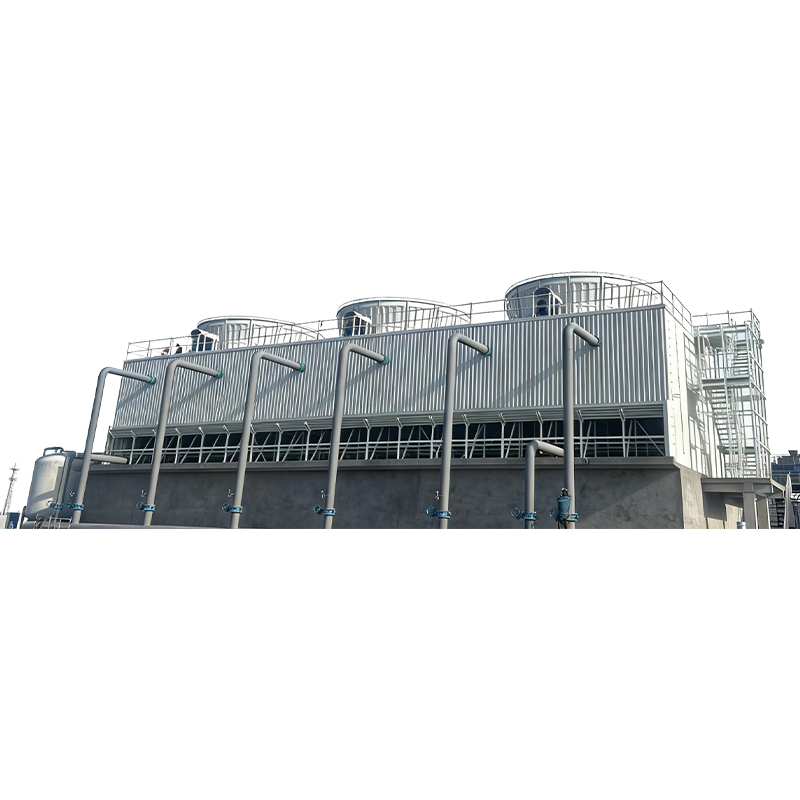
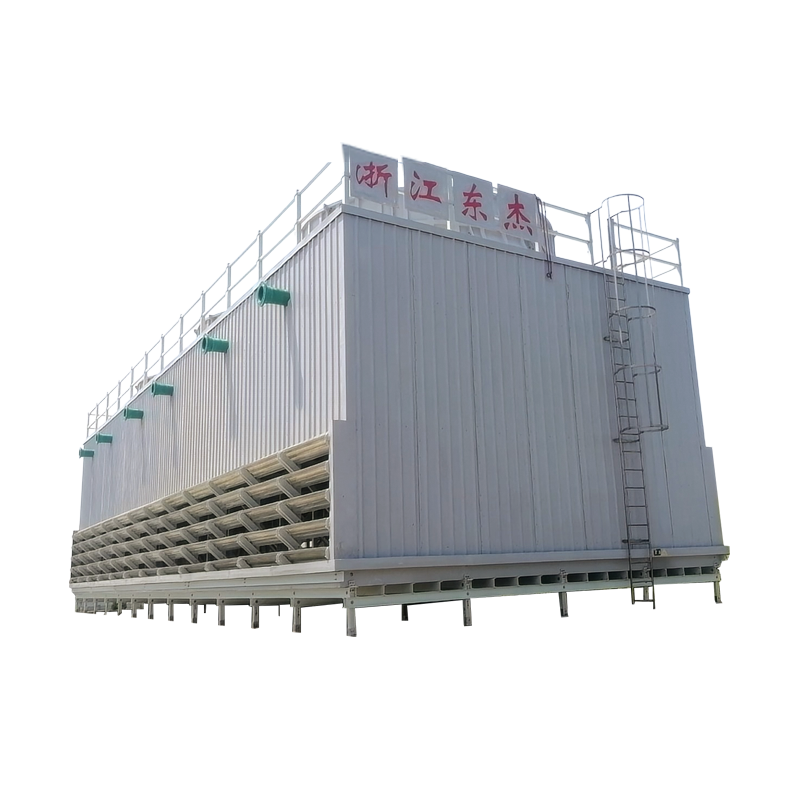
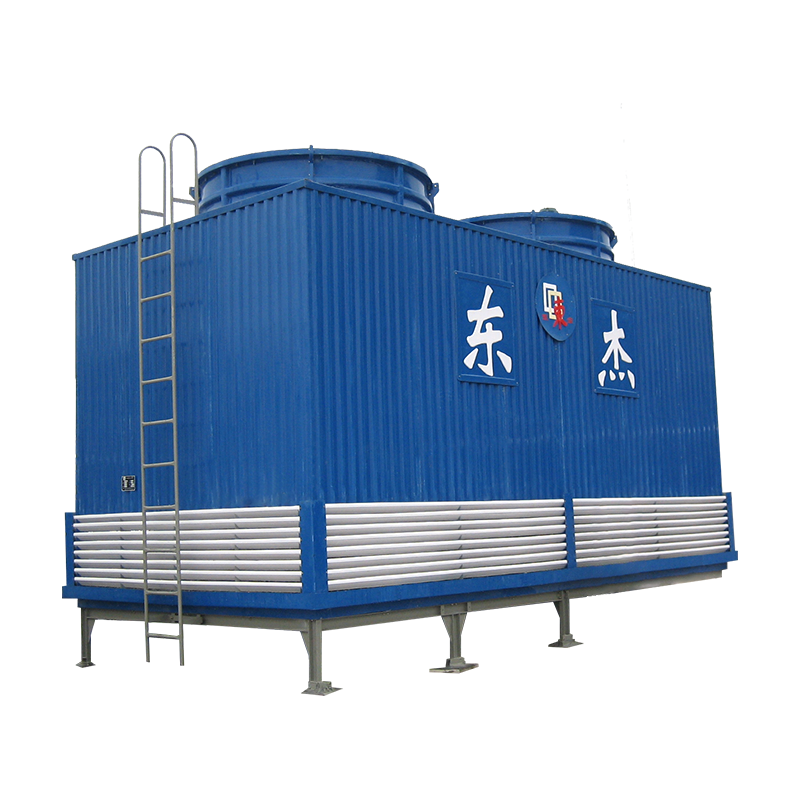
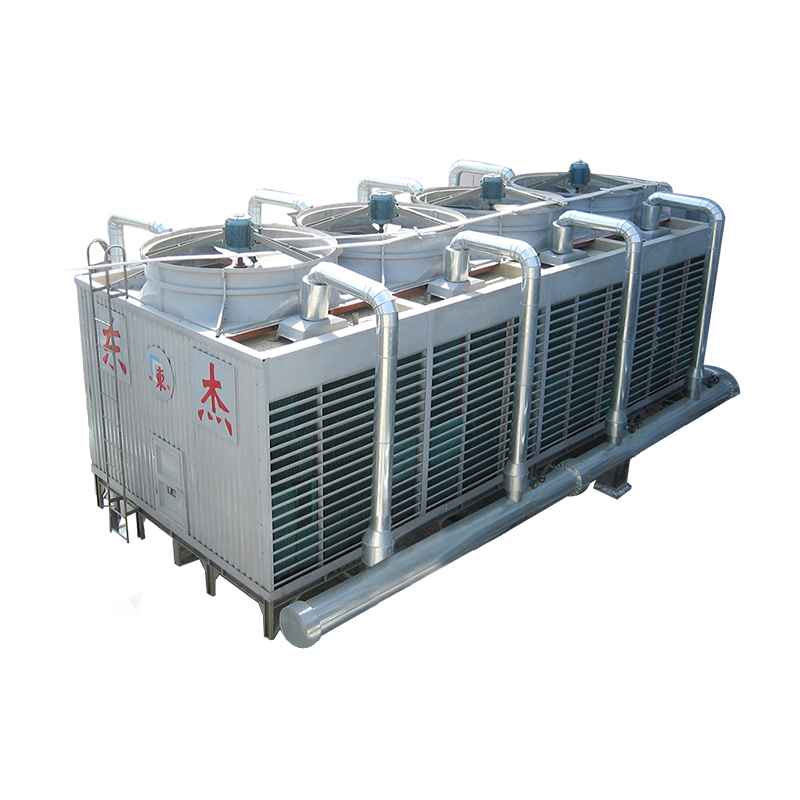
As global industrial output intensifies and sustainability mandates tighten across every major manufacturing sector, upgrading modern industrial steel structu...
READ MOREJul 31, 2026
Content
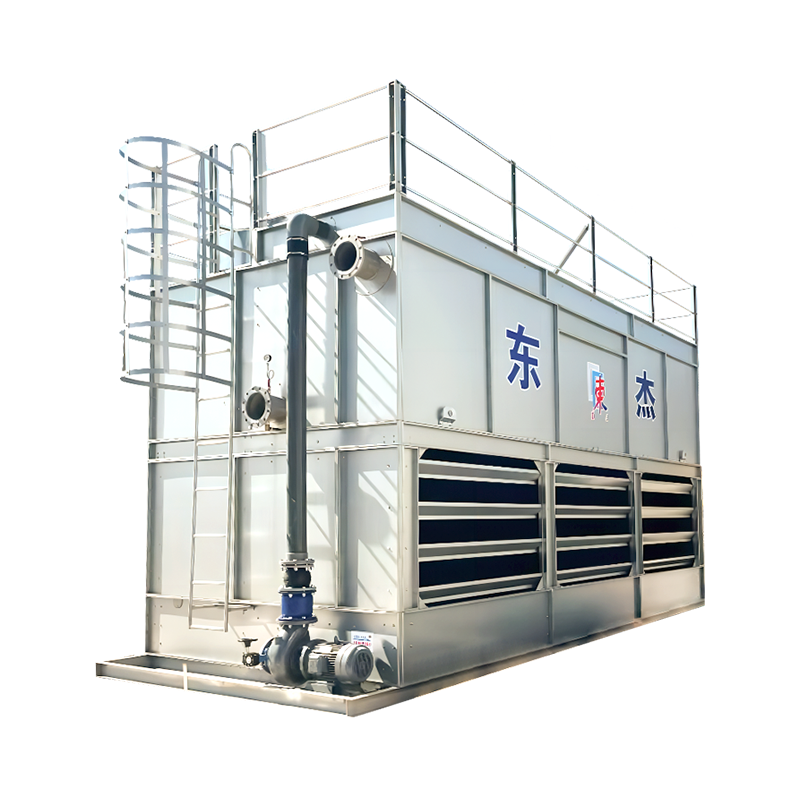
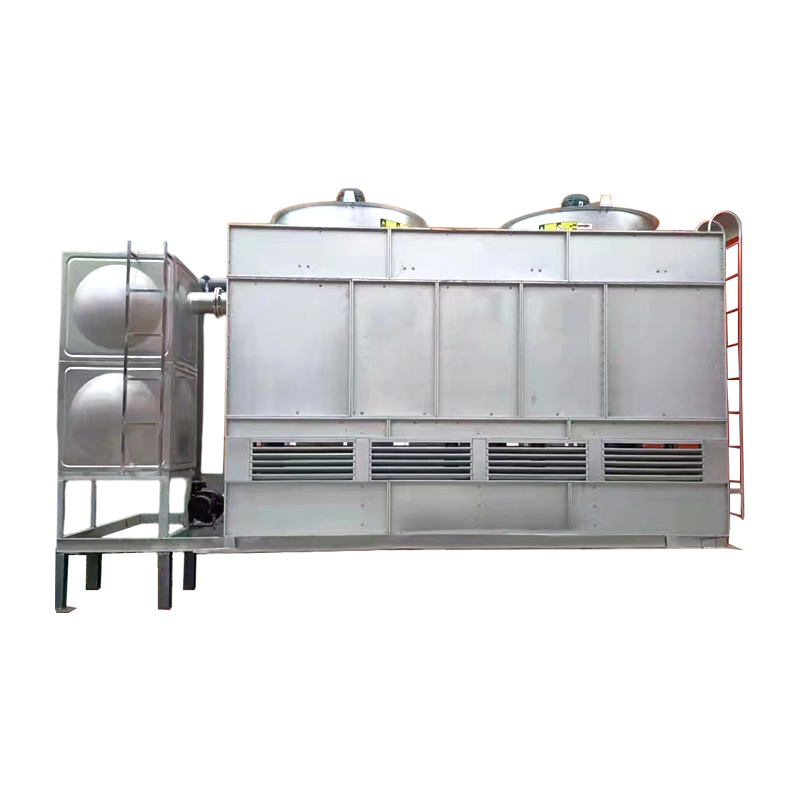
A steel structure cooling tower uses a galvanized or coated steel frame in place of the wood or FRP panel construction found on older tower designs, and that material choice shapes how the structure holds up under continuous moisture exposure, chemical drift, and cyclic thermal loading over years of duty. Steel framing designed to AISC 360 structural provisions carries higher tensile and compressive strength per unit weight than timber framing, which lets a tower support larger fill volumes and higher airflow rates within a smaller structural footprint than older wood-frame designs required. Hot-dip galvanizing applied per ASTM A123, typically to a zinc coating thickness around 85 microns on structural members, is what actually governs corrosion resistance over the tower's operating life rather than the base steel grade alone — an uncoated or thinly coated frame in a humid cooling tower environment can show rust-through within a handful of years, while a properly galvanized frame under a routine inspection program commonly holds structural integrity for two decades.
Steel's strength-to-weight advantage allows a tower shell and frame to run lighter than a comparable concrete structure while still carrying the same load requirements, and that weight difference feeds directly into foundation design — a lighter superstructure needs a shallower, less heavily reinforced slab to distribute load into the ground. A concrete tower shell built for equivalent thermal duty generally calls for a deeper, more reinforced foundation just to support its own mass, whereas a steel-framed tower's reduced dead load cuts both the concrete volume poured and the excavation work at the base. This same weight reduction simplifies transport and field assembly: modular steel sections ship pre-cut to dimension and bolt together on site, sidestepping the poured-in-place concrete work and curing time that stretch installation schedules by weeks on a comparable concrete build.
Field crews assemble pre-fabricated steel components through bolted connections rather than on-site welding or concrete curing, cutting installation time against cast concrete alternatives and reducing how many skilled trades need to be on site during a plant shutdown window, which matters directly to a facility's total downtime cost during commissioning.
Industrial zoning ordinances commonly cap sound pressure at property boundaries somewhere in the 55–65 dBA range depending on jurisdiction and time of day, a threshold cooling tower siting studies have to account for during permitting. A steel structural frame doesn't generate noise on its own, but its rigidity governs how well the structure damps vibration transmitted from fan motors and gearboxes — a stiffer, properly braced frame resists the resonance and rattling that a softer or corroding structural material tends to amplify as it ages. Fan blade geometry, motor mounting isolation, and fill splash pattern contribute more to overall decibel output than frame material by itself, though a structurally sound frame prevents the secondary vibration noise that develops once fasteners and joints loosen on a less rigid structure over years of operation.
| Attribute | Steel Structure | Concrete Structure |
|---|---|---|
| Relative Structural Weight | Lower | Higher |
| Typical Installation Timeline | Weeks (modular assembly) | Months (poured and cured) |
| Corrosion Protection Method | Hot-dip galvanizing / coating | Rebar coating, sealants |
Upfront material and fabrication cost only accounts for part of total ownership cost on a tower rated for 15 to 20 years of service. Steel-framed towers are commonly designed with bolted access panels and internal walkways that let maintenance crews inspect fill media, drift eliminators, and distribution nozzles without dismantling structural sections, while towers built with less accessible internal geometry sometimes require partial disassembly just to reach components due for routine cleaning or replacement. Scale buildup and biological growth on fill media are common contributors to declining thermal performance in cooling towers over time, a pattern documented in maintenance data compiled by the Cooling Technology Institute, and tower designs that support inspection without major structural intervention tend to hold rated cooling capacity longer between major service events.
Drift eliminator efficiency, rated under CTI ATC-140 to limit water droplet carryover to under 0.001% of recirculating water flow, affects both water consumption and the regulatory exposure tied to Legionella risk from aerosol drift near occupied buildings. A structurally sound steel frame keeps eliminator sections properly seated over years of vibration and thermal cycling, while a frame that shifts or warps gradually opens gaps that let drift efficiency slip below its rated threshold, a condition that often surfaces during compliance audits well before it becomes visible during a routine walk-through.
Power generation plants, petrochemical processing facilities, and metallurgical operations run cooling towers on continuous duty cycles, where an unplanned shutdown for structural repair can halt process lines that depend on stable water temperatures for reactions, condensers, or turbine cooling. In these settings, how well a tower holds structural tolerance under constant thermal cycling and chemical exposure from process water determines whether a facility schedules routine tower maintenance around planned outages or ends up reacting to unplanned failures instead. HVAC applications tied to commercial buildings run a comparatively lighter duty cycle, but even there, a frame degrading unevenly over time can throw off fan alignment and raise energy consumption per ton of cooling delivered — a cost that accumulates steadily across a building's operating life rather than appearing as a single, obvious failure point.
Related Products
As global industrial output intensifies and sustainability mandates tighten across every major manufacturing sector, upgrading modern industrial steel structu...
READ MOREWhy Steel Structure Cooling Towers Dominate Large-Scale Industrial Cooling A Steel Structure Cooling Tower is the correct specification choice for large-scale ...
READ MORESteel Structure Cooling Towers Outperform Traditional Concrete in Modern Industrial Applications Steel structure cooling towers are the preferred choice for mo...
READ MOREIndustrial facilities that rely on continuous thermal processes, from power generation to chemical manufacturing to large scale HVAC systems, depend heavily on...
READ MOREIndustrial cooling is among the largest consumers of energy and water in the global manufacturing economy. Chillers, cooling towers, heat exchangers, and proc...
READ MOREIndustrial cooling accounts for nearly a fifth of global electricity consumption. As climate targets tighten and energy costs surge, the race toward high-effi...
READ MORE
dj@djcoolingtower.com
+86-0575-82433555 (Extension 0)
+86 130 6551 5158 Manager Zhang
