

 English
 русский
 中文简体
中文简体
As global industrial output intensifies and sustainability mandates tighten across every major manufacturing sector, upgrading modern industrial steel structu...
READ MOREJul 10, 2026
Content
Industrial facilities that rely on continuous thermal processes, from power generation to chemical manufacturing to large scale HVAC systems, depend heavily on effective heat rejection to keep operations running safely and efficiently. A sustainable high efficiency industrial steel structure cooling tower has become a central piece of infrastructure in this effort, offering a durable, energy conscious solution for managing waste heat while supporting broader environmental and operational goals. This guide explores how these towers function, why steel structure design matters, and how the reliability of this equipment quietly supports the wellbeing of the workers who depend on it every day.
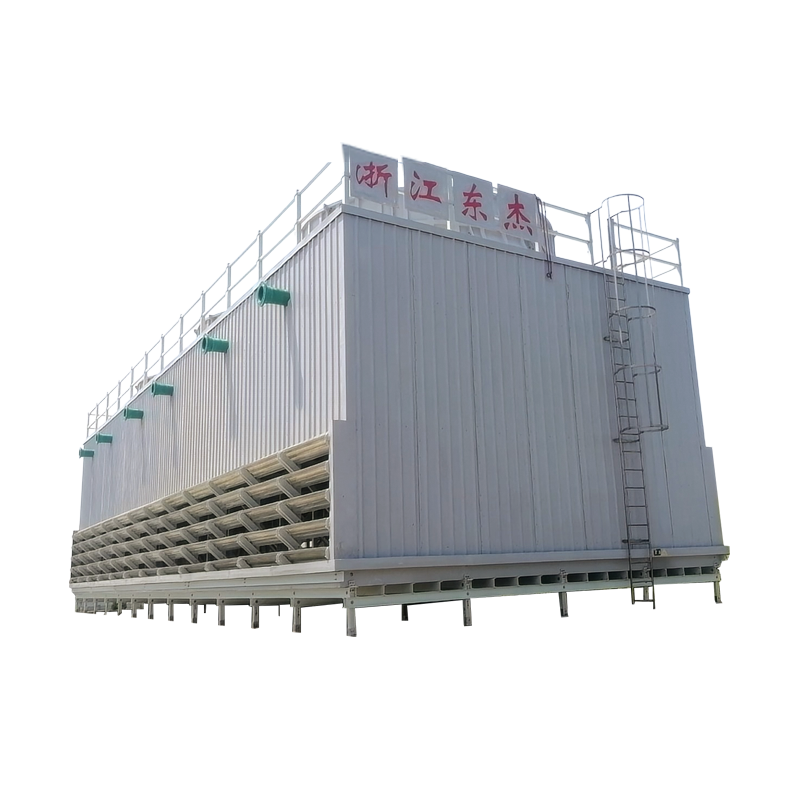
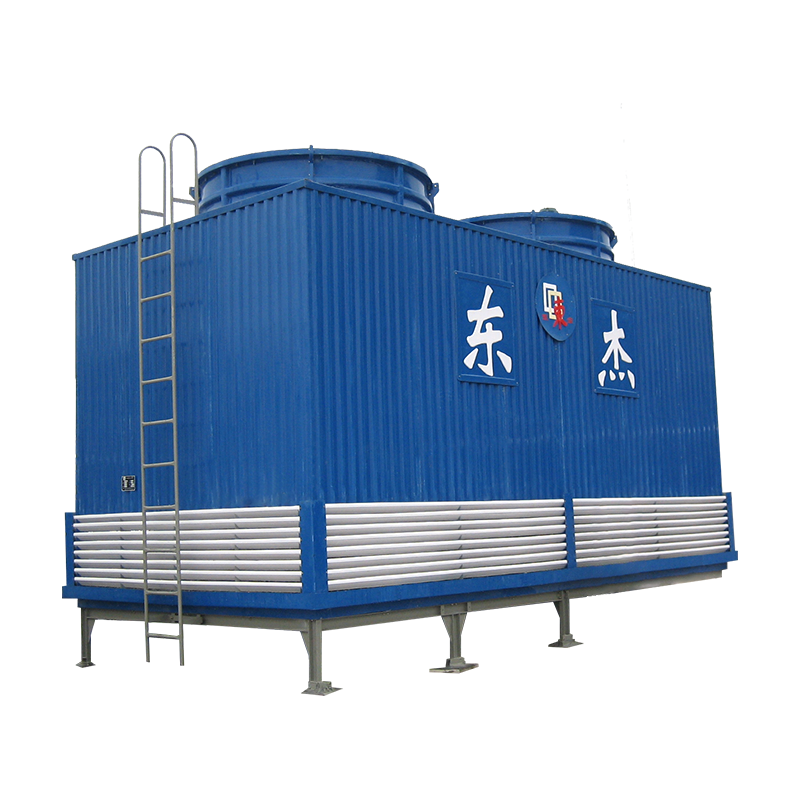
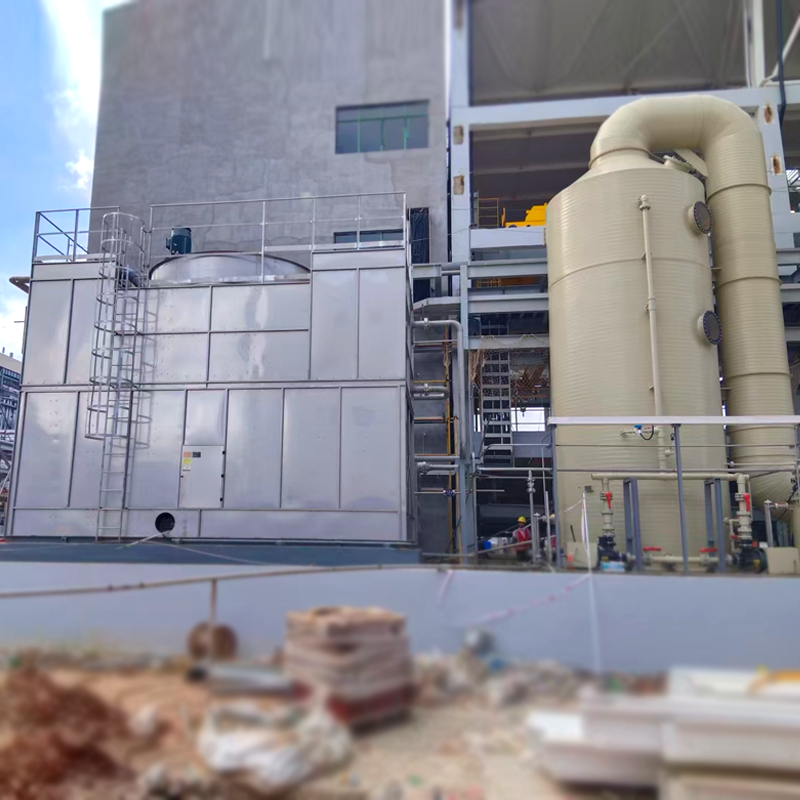
A cooling tower is a heat rejection device that removes excess heat from industrial processes by transferring it to the atmosphere, typically through the evaporation of a small portion of circulating water. A steel structure cooling tower refers specifically to the construction method used for the tower's frame and supporting elements, relying on galvanized or coated structural steel rather than wood, fiberglass, or concrete alternatives. This steel based construction offers a combination of strength, durability, and long term structural reliability that has made it a preferred choice for demanding industrial applications.
High efficiency models are engineered to maximize heat transfer performance while minimizing water and energy consumption during operation. This is achieved through carefully designed fill media, optimized airflow patterns, and advanced fan and drift eliminator systems that work together to extract heat effectively while reducing the amount of water lost to evaporation and drift beyond what is functionally necessary. Sustainability, in this context, refers to the tower's ability to achieve strong thermal performance while reducing its overall environmental footprint, including water usage, energy consumption, and the use of durable materials that extend the operational lifespan of the equipment.
The structural framework of a cooling tower must withstand constant exposure to moisture, temperature fluctuations, and mechanical stress from fans, water flow, and wind loads, often over decades of continuous operation. Steel structure towers offer distinct advantages over alternative construction materials in this demanding environment.
Steel offers exceptional strength relative to its weight, allowing towers to support heavy fill media, water distribution systems, and fan assemblies without requiring excessively bulky structural elements that would increase material use and installation complexity.
When properly treated with corrosion resistant coatings or galvanization, steel structures can withstand decades of exposure to moisture and industrial atmospheric conditions, reducing the frequency of major structural repairs or replacements compared to less durable alternatives.
Unlike wood based cooling tower structures, steel offers inherent fire resistance, an important safety consideration in industrial facilities where fire risk must be carefully managed across all equipment and infrastructure.
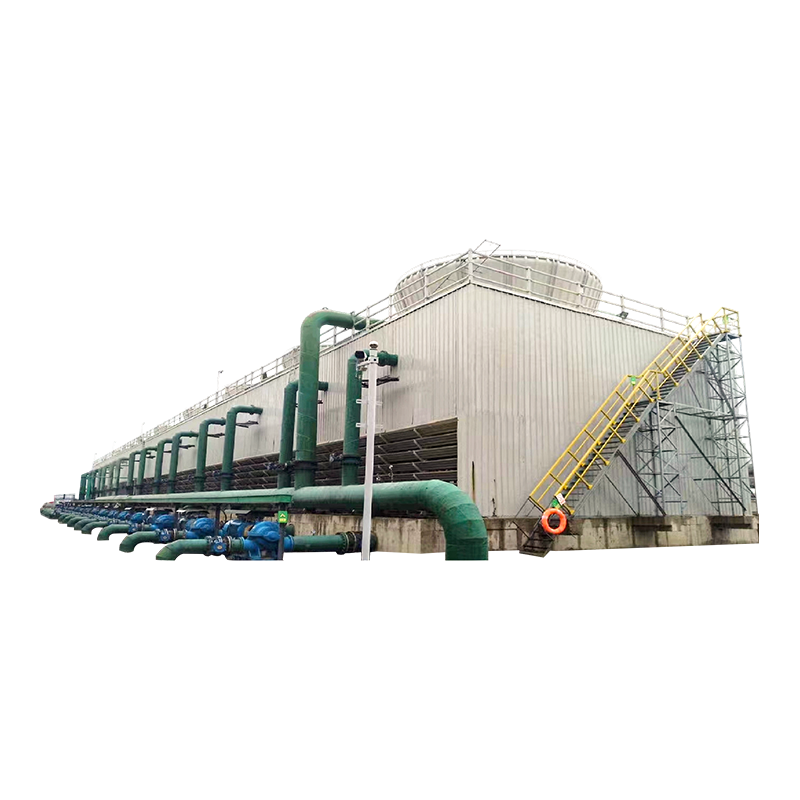
Steel construction allows for a wide range of tower configurations, from compact package units to large field erected structures, accommodating diverse industrial cooling requirements across different facility sizes and thermal loads.
Key insight: A cooling tower's structural integrity directly affects its operational lifespan and safety profile. Steel construction, when properly maintained, offers a level of long term reliability that supports both economic efficiency and consistent industrial performance over many years of continuous use.
The fill media inside the tower maximizes the surface area of water exposed to airflow, significantly enhancing heat transfer efficiency. High efficiency models often use advanced film fill designs that improve thermal performance while resisting fouling and scale buildup over time.
Axial or centrifugal fans draw air through the tower to facilitate evaporative cooling. High efficiency designs increasingly incorporate variable frequency drives, allowing fan speed to adjust dynamically based on actual cooling demand, reducing unnecessary energy consumption during periods of lower thermal load.
Precisely engineered nozzles and distribution basins ensure even water flow across the fill media, maximizing contact between water and air while minimizing water waste from uneven distribution or excessive splash.
These components capture water droplets that might otherwise be carried out of the tower with the exhaust air stream, reducing water loss and limiting the release of water droplets into the surrounding environment.
The structural backbone of the tower, typically constructed from galvanized or specially coated steel, supports all internal components while resisting the corrosive effects of constant moisture exposure.
| Type | Typical Application | Notable Feature |
|---|---|---|
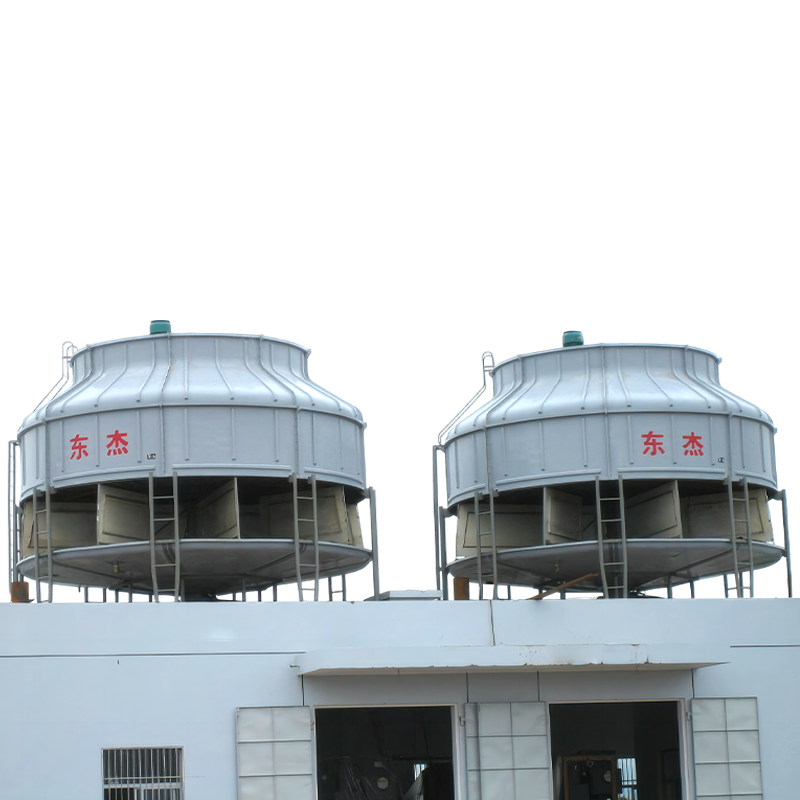
| Counterflow induced draft tower | Power plants and large industrial facilities | High thermal efficiency in a compact footprint |
| Crossflow induced draft tower | Manufacturing plants with moderate cooling loads | Simplified maintenance access to fill media |
| Field erected tower | Very large scale industrial cooling requirements | Custom engineered for site specific thermal loads |
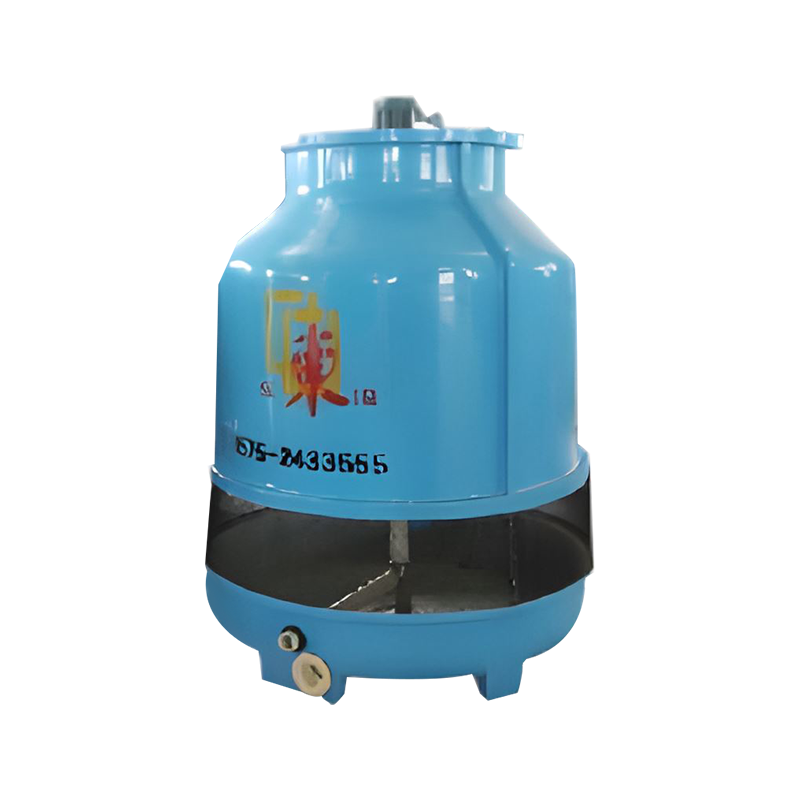
| Package cooling tower | Mid sized commercial and industrial facilities | Factory assembled for faster installation |
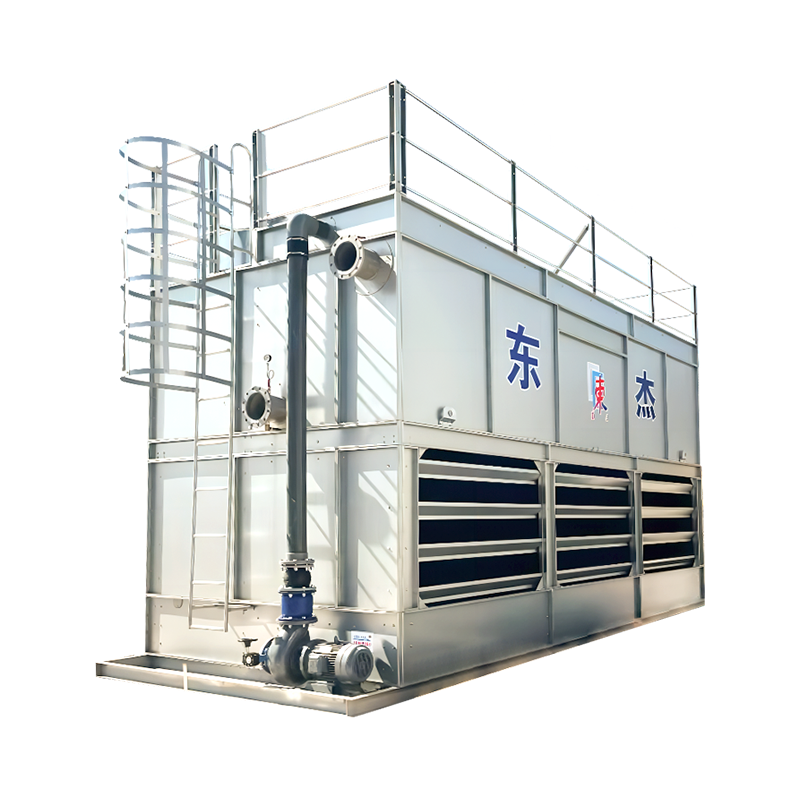
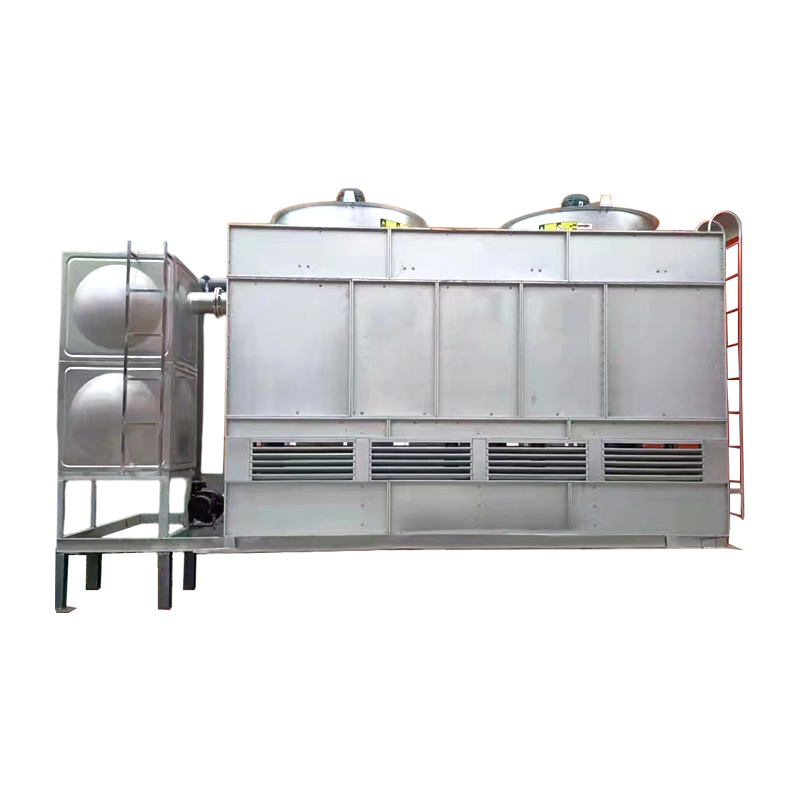
| Closed circuit cooling tower | Applications requiring fluid isolation from atmosphere | Reduced water treatment and contamination risk |
Selecting the appropriate tower type depends on the specific thermal load, available installation space, and operational requirements of the facility. Large power generation plants often require field erected towers custom engineered for their exact cooling demands, while smaller manufacturing operations may find package towers offer a more practical, cost effective solution.
Sustainability has become a central design consideration in modern cooling tower engineering, driven both by regulatory pressure and genuine operational cost savings associated with reduced water and energy consumption.
Practical tip: Facilities that pair high efficiency cooling towers with proper water treatment programs often see substantially reduced makeup water requirements over time, since effective treatment reduces scale and fouling that would otherwise force more frequent water replacement cycles.
The efficiency gains offered by modern steel structure cooling towers extend well beyond simple thermal performance metrics. Variable frequency drive fans, for example, allow a tower to operate at reduced capacity during periods of lower ambient temperature or reduced process heat load, rather than running fans at full speed regardless of actual cooling need. Over the course of a full year, this dynamic adjustment can produce significant cumulative energy savings compared to fixed speed fan systems.
Similarly, advanced fill media designs improve the efficiency of heat transfer per unit of water circulated, meaning facilities can achieve required cooling performance while circulating less water overall. Combined with effective drift elimination, these efficiency improvements meaningfully reduce a facility's total water consumption, an increasingly important consideration in regions facing water scarcity concerns or strict industrial water use regulations.
It might not be immediately apparent how a piece of large scale industrial equipment connects to personal wellness, yet the relationship becomes clear when considering the daily experience of the workers who operate and maintain these systems, as well as the surrounding communities affected by their performance. Cooling tower reliability has direct implications for workplace safety, operational stress, and even the physical comfort of facility employees.
Cooling towers often support critical processes, meaning unexpected failures can trigger significant operational disruptions, emergency repairs, and production delays. A well engineered, high efficiency steel structure tower that performs reliably reduces the frequency of these stressful emergency scenarios, allowing maintenance staff and plant operators to work at a steadier, less reactive pace throughout their shifts. This reduction in unpredictable crisis events supports lower cumulative workplace stress over time.
Effective cooling tower performance directly affects the thermal comfort of workers in facilities that rely on chilled water or process cooling for climate control. A tower operating at peak efficiency helps maintain more stable indoor temperatures, supporting a more comfortable working environment, which is associated with improved concentration, reduced heat related fatigue, and better overall physical comfort during long work shifts.
A structurally sound steel cooling tower, properly maintained over time, presents significantly lower risk of the kind of sudden structural failures that could endanger nearby workers. This structural reliability contributes to a genuine sense of physical safety among facility staff, reducing background anxiety related to working near large scale industrial equipment on a daily basis.
Modern high efficiency towers increasingly incorporate noise reduction engineering, which benefits not only surrounding communities but also workers stationed near the equipment throughout their shifts. Chronic exposure to excessive industrial noise is associated with increased stress hormone levels and long term hearing health concerns, making noise reduction a meaningful contributor to worker wellbeing, not simply a community relations consideration.
Facilities that invest in water efficient, energy conscious cooling infrastructure often build stronger relationships with surrounding communities, particularly in regions where water resources are closely monitored or contested. This community trust can reduce the social and regulatory friction that might otherwise create additional stress for facility management and staff navigating community relations alongside their core operational responsibilities.
Wellness within an industrial setting extends beyond individual workstations to include the reliability, safety, and environmental responsibility of the large scale infrastructure that supports daily operations. Dependable cooling tower performance contributes to a calmer, safer, and more sustainable overall working environment.
Selecting inadequate coating specifications for the specific water chemistry and atmospheric conditions at a given site can lead to premature structural degradation, increasing long term maintenance costs and safety risks.
Allowing scale or biological fouling to accumulate unchecked significantly reduces thermal efficiency, often long before the problem becomes visually obvious without proper inspection routines.
Facilities that fail to utilize variable frequency drive capabilities, running fans at constant full speed regardless of actual cooling demand, miss significant energy efficiency opportunities available through modern tower designs.
Postponing structural inspections and repairs can allow minor corrosion issues to develop into significant safety concerns, ultimately requiring far more costly intervention than proactive maintenance would have required.
Failing to properly integrate water treatment programs with tower operation often leads to accelerated scale formation and corrosion, undermining both efficiency and long term structural durability.
Selecting an appropriate sustainable high efficiency steel structure cooling tower requires careful consideration of your facility's specific thermal and operational needs. Consider the following questions before making a purchase decision:
Thoughtful consideration of these factors supports a more strategic equipment investment, one that serves both immediate operational needs and long term sustainability, safety, and workplace wellbeing goals.
With proper corrosion protection and regular maintenance, many steel structure towers can operate reliably for several decades, though exact lifespan depends heavily on water chemistry, atmospheric conditions, and maintenance consistency.
High efficiency towers typically incorporate advanced fill media, variable frequency drive fans, and optimized water distribution systems specifically engineered to maximize heat transfer while minimizing water and energy consumption compared to standard designs.
Yes, many facilities successfully retrofit existing towers with variable frequency drives, upgraded fill media, or improved drift eliminators to enhance efficiency without requiring complete tower replacement.
Since cooling towers often support critical thermal processes throughout a facility, their efficiency directly affects the energy required for associated pumps, chillers, and process equipment, making tower performance a meaningful factor in overall facility energy consumption.
A sustainable high efficiency industrial steel structure cooling tower represents a critical investment in both operational performance and long term environmental responsibility. Through durable steel construction, advanced thermal engineering, and thoughtful water and energy efficiency features, these towers support the demanding thermal management needs of modern industrial facilities while reducing unnecessary resource consumption. Beyond these technical and environmental benefits, the reliability and safety of well engineered cooling tower infrastructure also contributes meaningfully to the daily wellbeing of the workers who depend on it, supporting a calmer, safer, and more sustainable industrial environment overall. As facilities continue balancing operational demands with environmental responsibility, dependable cooling tower infrastructure will remain a quiet but essential foundation for both efficient production and genuine workplace wellness.
Related Products
As global industrial output intensifies and sustainability mandates tighten across every major manufacturing sector, upgrading modern industrial steel structu...
READ MOREIndustrial cooling accounts for nearly a fifth of global electricity consumption. As climate targets tighten and energy costs surge, the race toward high-effi...
READ MOREIndustrial cooling is among the largest consumers of energy and water in the global manufacturing economy. Chillers, cooling towers, heat exchangers, and proc...
READ MORESteel Structure Cooling Towers Outperform Traditional Concrete in Modern Industrial Applications Steel structure cooling towers are the preferred choice for mo...
READ MOREAs the chemical processing and new energy sectors confront the converging imperatives of decarbonization targets, tightening environmental regulations, and th...
READ MOREWhy Steel Structure Cooling Towers Dominate Large-Scale Industrial Cooling A Steel Structure Cooling Tower is the correct specification choice for large-scale ...
READ MORE
dj@djcoolingtower.com
+86-0575-82433555 (Extension 0)
+86 130 6551 5158 Manager Zhang
