

 English
 русский
 中文简体
中文简体
A plant engineer managing a 2 MW injection molding process was facing a familiar problem. The open cooling tower was letting suspended solids into the mold coo...
READ MOREJul 17, 2026
Content
Industrial facilities, commercial buildings, and power generation plants all share a common operational challenge, the need to efficiently remove excess heat generated by various mechanical, chemical, or electrical processes. Cooling towers have long served as the primary solution to this challenge, and among the various construction materials used to build these essential pieces of equipment, fiberglass reinforced plastic, commonly abbreviated as FRP, has become an increasingly popular choice. Understanding what an FRP cooling tower actually is, how it functions, and why so many facility managers and engineers choose this construction approach over traditional alternatives provides valuable insight for anyone evaluating cooling equipment options for their specific application.
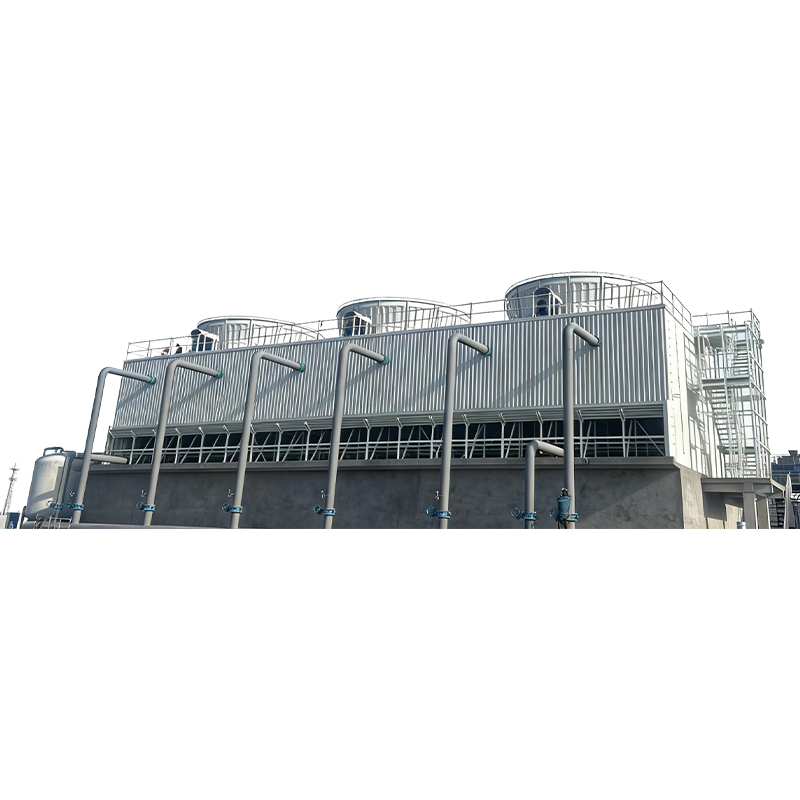
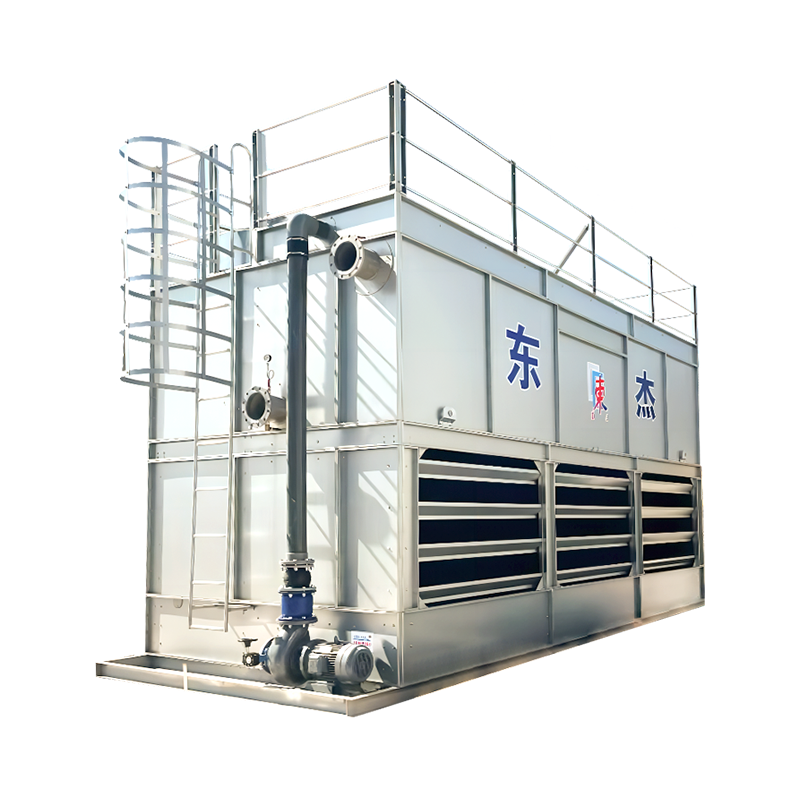
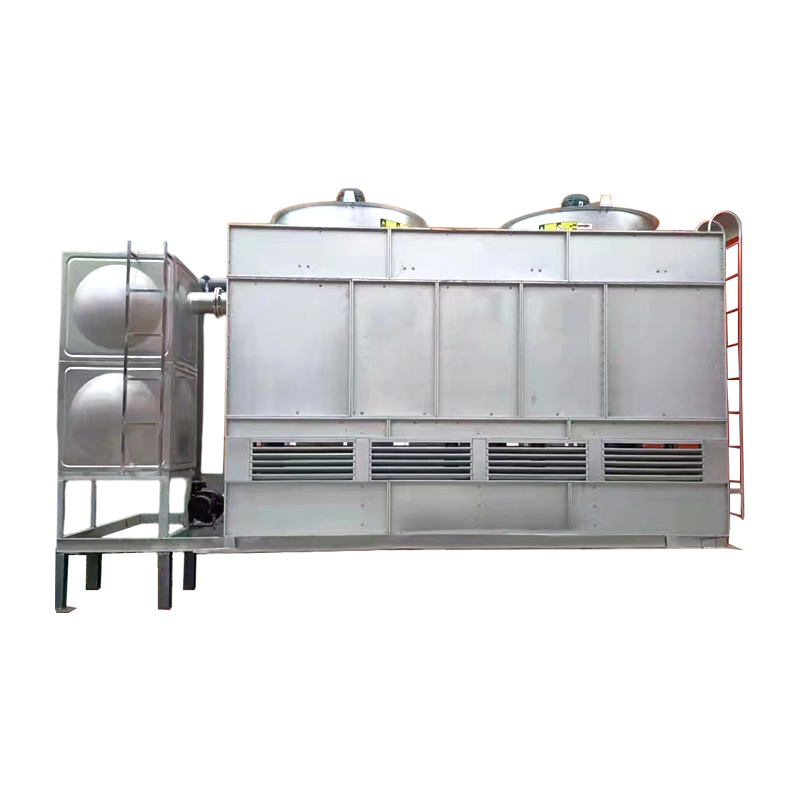
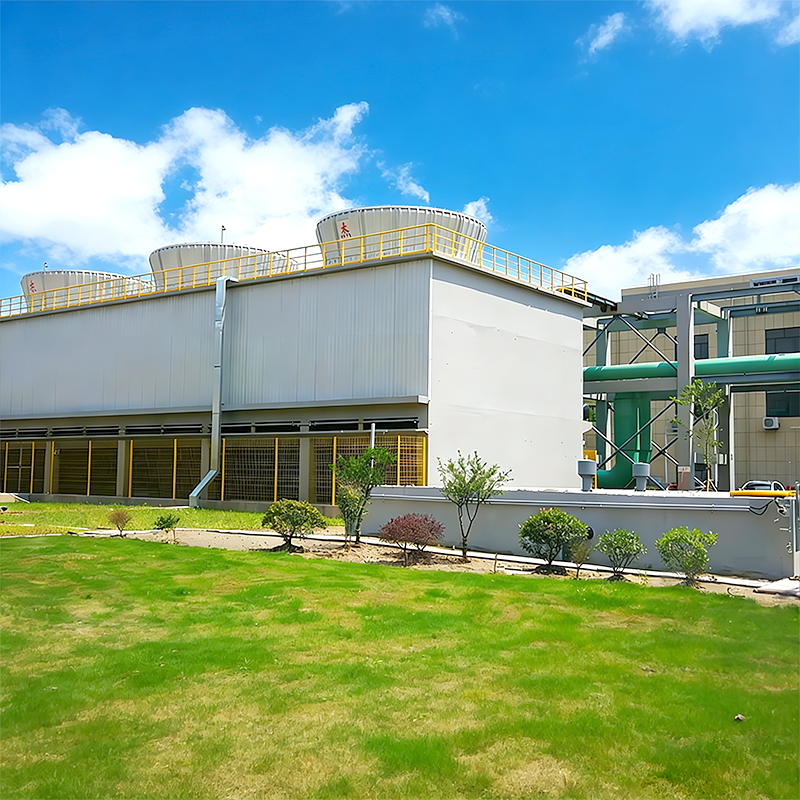
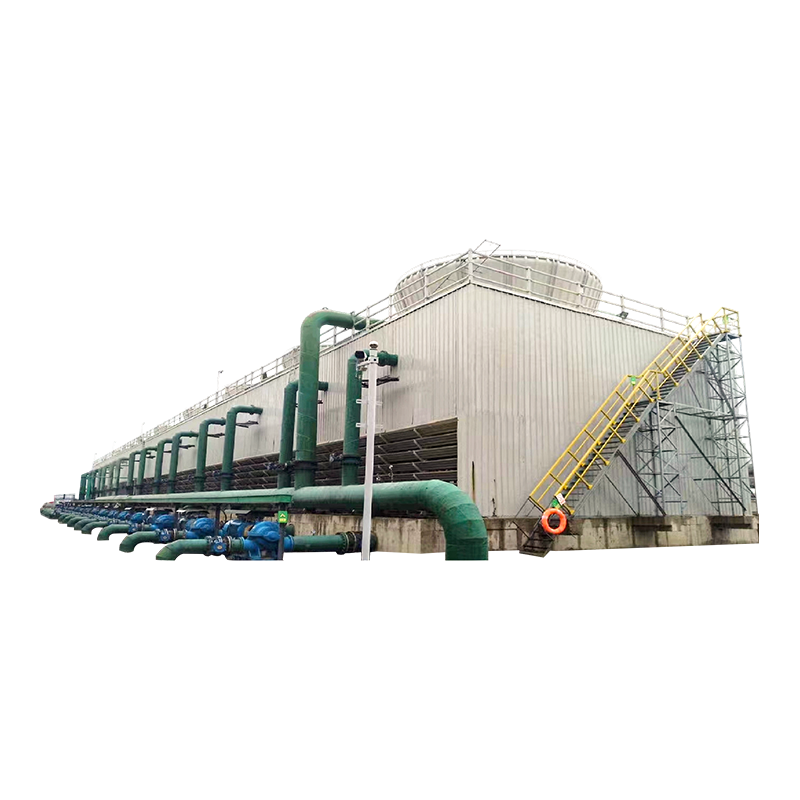
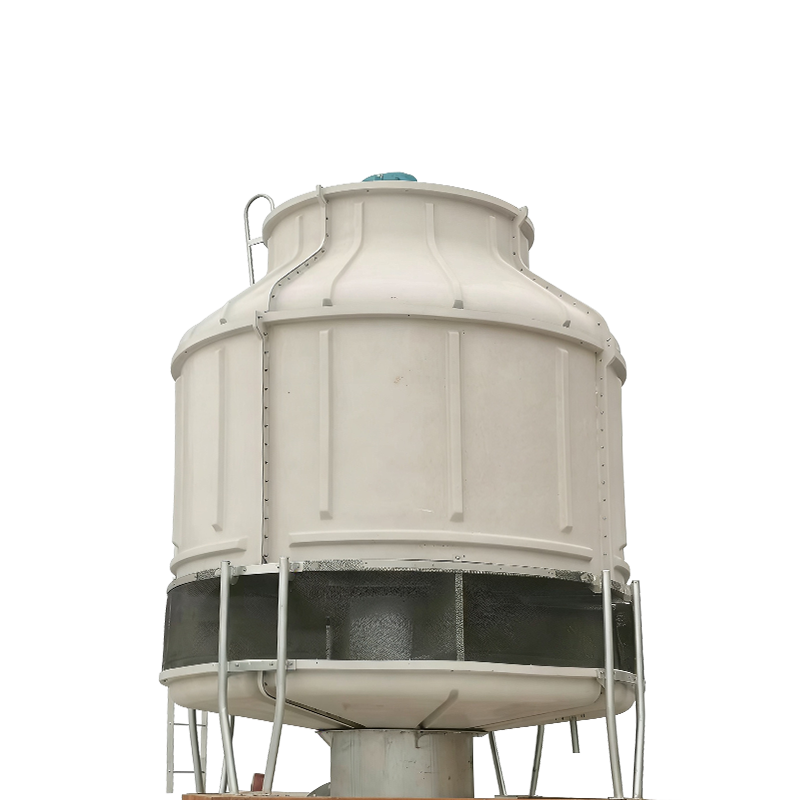
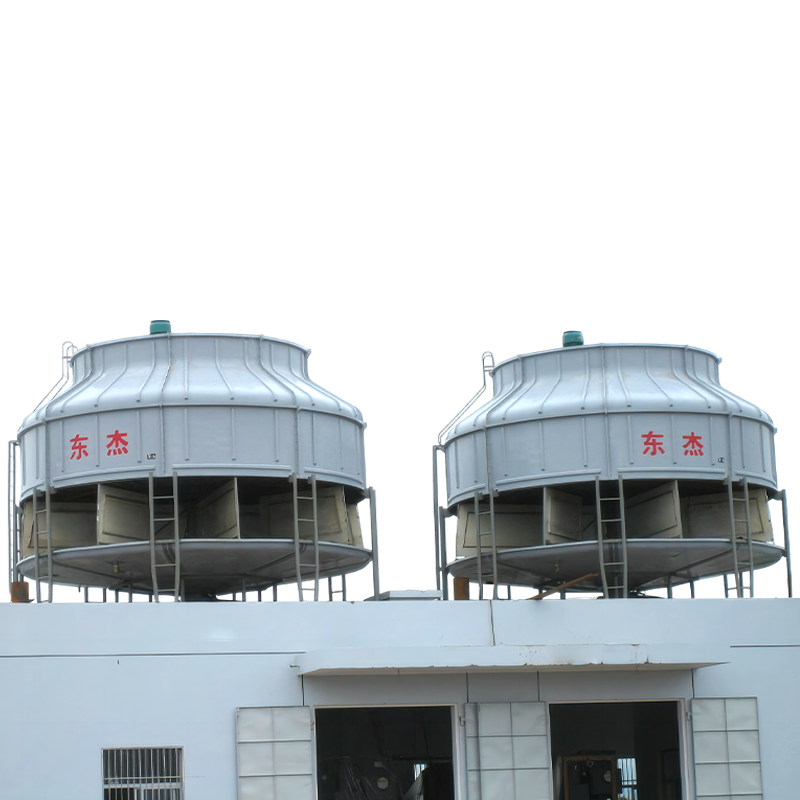
An FRP cooling tower is a heat rejection device constructed primarily using fiberglass reinforced plastic materials for its main structural components, including the casing, fan housing, and various internal support structures, rather than relying on traditional materials such as galvanized steel, wood, or concrete commonly used in older cooling tower designs. Fiberglass reinforced plastic itself refers to a composite material formed by embedding glass fibers within a polymer resin matrix, creating a material that combines meaningful structural strength with a range of performance advantages particularly well suited to the demanding, moisture rich environment found within cooling tower operation.
At its core, a cooling tower of any construction material serves the same fundamental purpose, facilitating the transfer of unwanted heat from a facility's cooling water system into the surrounding atmosphere through the evaporative cooling process. Warm water, typically originating from industrial processes, air conditioning chiller systems, or power generation equipment, is distributed across the tower's internal fill media, where it comes into contact with ambient air drawn through the tower by mechanical fans or, in some designs, natural draft airflow. As a small portion of this water evaporates during contact with the air, it draws significant heat energy away from the remaining water, resulting in cooled water that can then be recirculated back to the facility's cooling system.
Understanding the specific components that make up an FRP cooling tower helps clarify how these systems function and why fiberglass reinforced plastic construction offers particular advantages across different structural elements. The outer casing, which forms the main structural shell of the tower and houses the internal components, is typically molded from FRP material designed to withstand constant exposure to moisture, water spray, and the general wear associated with continuous outdoor operation, while providing sufficient structural rigidity to support the tower's overall weight and withstand wind loading in outdoor installations.
Fill media, positioned within the interior of the tower, provides the critical surface area necessary for effective heat transfer between the falling water and the passing air stream. While fill media itself is often constructed from PVC or other specialized plastic materials optimized specifically for heat transfer efficiency, the surrounding support structure holding this fill media in place frequently utilizes FRP components for their combination of strength and corrosion resistance within this consistently wet operating environment.
The fan and motor assembly, responsible for drawing air through the tower to facilitate the evaporative cooling process, along with the fan housing and associated structural supports, frequently incorporate FRP construction as well, taking advantage of the material's corrosion resistance in an area of the tower that experiences constant exposure to moisture and water droplets carried by the airflow passing through the fan assembly. Water distribution systems, including spray nozzles and distribution basins responsible for evenly dispersing warm water across the fill media, along with the collection basin at the base of the tower where cooled water accumulates before recirculation, also commonly utilize FRP materials given their direct, continuous contact with water throughout normal tower operation.
The widespread adoption of FRP construction within the cooling tower industry stems from several material properties that align particularly well with the demanding operational environment these structures must withstand. Corrosion resistance represents perhaps the most significant advantage, since cooling towers operate in a continuously wet environment, often involving water treated with various chemical additives to control scaling, biological growth, and corrosion within the broader cooling water system. Unlike metal components, which can gradually corrode when exposed to this combination of moisture and chemical treatment over extended periods, FRP materials demonstrate excellent resistance to this type of chemical and moisture related degradation.
This corrosion resistance translates directly into extended service life for cooling tower components, reducing the frequency and cost of component replacement compared to towers constructed using materials more susceptible to corrosion related deterioration. For facilities operating cooling towers continuously across many years of service, this durability advantage can represent significant long term cost savings, even when factoring in any potential difference in initial construction costs compared to alternative materials.
Strength to weight ratio represents another important advantage offered by fiberglass reinforced plastic construction, since FRP materials can achieve substantial structural strength while remaining considerably lighter than comparable steel or concrete components. This reduced weight offers practical benefits throughout the tower's lifecycle, including easier transportation and installation, reduced structural support requirements for the building or foundation supporting the tower, and generally simplified maintenance procedures given the lighter weight of individual components requiring occasional service or replacement.
Historically, cooling towers were commonly constructed using materials such as galvanized steel, treated wood, or concrete, each offering their own combination of advantages and limitations relevant to specific application requirements. Galvanized steel cooling towers, while offering solid structural strength, remain susceptible to corrosion over time, particularly in facilities using aggressive water treatment chemicals or operating in coastal environments with elevated exposure to salt air, ultimately requiring more frequent maintenance or component replacement to address corrosion related deterioration.
Wood constructed cooling towers, once common within the industry, present their own set of challenges, including susceptibility to rot, biological growth, and general degradation resulting from constant moisture exposure, along with fire safety considerations relevant to combustible construction materials operating near industrial facilities. While wood towers can offer certain cost advantages in specific applications, their maintenance requirements and limited service life compared to modern FRP alternatives have contributed to declining popularity within the broader cooling tower industry.
Concrete cooling towers, typically found in very large scale industrial or power generation applications, offer exceptional structural durability but generally involve significantly higher construction costs, longer installation timelines, and reduced design flexibility compared to modular FRP tower designs. For many mid sized industrial and commercial cooling applications, FRP construction offers an attractive middle ground, providing strong durability and corrosion resistance while maintaining more reasonable construction costs and installation flexibility compared to large scale concrete tower construction.
FRP cooling towers are available in several distinct configurations designed to accommodate different facility layouts, cooling capacity requirements, and operational preferences. Counterflow cooling towers, one of the most common configurations, direct air upward through the tower in a direction opposite to the downward flow of water through the fill media, generally offering efficient heat transfer performance within a relatively compact overall footprint, making this configuration popular for facilities with limited available installation space.
Crossflow cooling towers represent an alternative configuration, where air flows horizontally through the falling water rather than vertically counter to the water flow direction. This configuration often allows for easier access to internal components for maintenance purposes, along with certain advantages related to water distribution system design, though the overall footprint may be somewhat larger compared to an equivalent capacity counterflow design.
Induced draft and forced draft designs further differentiate cooling tower configurations based on fan placement and airflow direction relative to the fan assembly. Induced draft towers position the fan at the top of the tower, drawing air upward through the structure, while forced draft designs position the fan at the base or side of the tower, pushing air through the system. Each configuration offers distinct advantages related to airflow distribution, noise characteristics, and susceptibility to recirculation of already warmed exhaust air back into the tower's air intake, factors that engineers carefully consider when selecting the most appropriate configuration for a specific facility's operational requirements.
FRP cooling towers serve a remarkably diverse range of industrial, commercial, and institutional applications, reflecting the widespread need for effective heat rejection across countless facility types. Commercial and institutional buildings, including office complexes, hospitals, universities, and large retail facilities, commonly rely on FRP cooling towers as part of their central air conditioning chiller systems, helping efficiently reject the heat removed from building interior spaces during the air conditioning process.
Industrial manufacturing facilities across sectors such as chemical processing, food and beverage production, and various material manufacturing operations frequently depend on cooling towers to manage process heat generated throughout their production operations, helping maintain appropriate operating temperatures for equipment and processes sensitive to excessive heat buildup. Power generation facilities, including both traditional thermal power plants and various renewable energy applications requiring process cooling, also commonly utilize cooling tower technology, often selecting FRP construction for its combination of durability and cost effectiveness within these large scale operational environments.
Data centers, an increasingly significant category of cooling tower application given the substantial heat generated by dense computing infrastructure, similarly benefit from the reliable, corrosion resistant performance offered by FRP cooling tower construction, supporting the critical continuous cooling requirements necessary to maintain optimal operating conditions for sensitive server equipment and associated infrastructure.
While FRP cooling towers generally require less intensive maintenance compared to towers constructed from materials more susceptible to corrosion, regular maintenance remains an important aspect of ensuring reliable long term operation and optimal cooling performance. Routine inspection of fill media, water distribution nozzles, and drift eliminators, components responsible for minimizing water droplet carryover into the exhaust air stream, helps identify any developing performance issues before they significantly impact overall cooling efficiency or contribute to unnecessary water consumption.
Water treatment program management represents another critical maintenance consideration, since proper chemical treatment helps control scaling, biological growth, and corrosion within the broader cooling water system, even though the FRP structural components themselves demonstrate strong inherent corrosion resistance. Effective water treatment protects other system components, including piping, heat exchangers, and mechanical equipment throughout the broader cooling water circuit that may not share the same corrosion resistant properties as the tower's FRP structural elements.
Fan and motor assembly maintenance, including regular lubrication, belt or coupling inspection, and vibration monitoring, helps ensure reliable mechanical performance from these critical operational components, since even a well constructed FRP tower structure depends on properly functioning mechanical systems to achieve the airflow necessary for effective evaporative cooling performance. Periodic structural inspection of FRP components, while generally revealing minimal degradation compared to alternative materials, remains a recommended practice to verify continued structural integrity and identify any isolated areas of concern, such as impact damage or UV related surface degradation that could benefit from protective coating maintenance.
FRP cooling towers offer several sustainability related advantages worth considering within the broader context of facility environmental performance. The extended service life associated with FRP construction, resulting from the material's strong corrosion resistance, contributes to reduced resource consumption over the tower's operational lifetime, since fewer replacement components and less frequent major renovation work are typically required compared to towers constructed from materials more prone to degradation.
Energy efficiency considerations also factor into the broader environmental performance of cooling tower systems, with well designed FRP towers, when properly sized and maintained, capable of delivering efficient heat rejection performance that supports overall facility energy efficiency goals. Since cooling towers often represent a significant component of a facility's overall energy consumption related to HVAC or process cooling operations, selecting well engineered, properly maintained equipment contributes meaningfully to broader facility sustainability objectives.
Water conservation also represents an important consideration within cooling tower operation more broadly, with modern FRP tower designs frequently incorporating advanced drift elimination technology and optimized fill media designs that help minimize water loss during normal operation, supporting facility water conservation goals alongside the broader thermal management function these systems provide.
Facilities evaluating FRP cooling tower options should carefully consider several factors relevant to their specific application requirements. Cooling capacity requirements, determined based on the specific heat load generated by the facility's processes or HVAC systems, should guide overall tower sizing decisions, ensuring the selected equipment can adequately handle anticipated cooling demands, including reasonable allowance for future capacity growth where relevant.
Available installation space and specific site conditions should inform decisions regarding tower configuration, whether counterflow, crossflow, induced draft, or forced draft designs best align with the facility's physical constraints and operational preferences. Local climate conditions, including ambient temperature and humidity patterns throughout the year, also influence appropriate tower sizing and design selection, since cooling tower performance is directly influenced by these environmental factors.
Finally, evaluating manufacturer reputation, warranty terms, and available technical support resources helps ensure facilities select a reliable equipment partner capable of supporting both the initial installation process and ongoing maintenance needs throughout the cooling tower's operational lifetime, supporting long term reliable performance from this essential piece of facility infrastructure.
An FRP cooling tower represents a modern, durable approach to industrial and commercial heat rejection, combining the fundamental evaporative cooling principles that have long defined cooling tower technology with the corrosion resistance, structural efficiency, and long term reliability offered by fiberglass reinforced plastic construction. From commercial building HVAC systems to demanding industrial process cooling applications, FRP cooling towers continue to serve as a trusted solution for facilities seeking effective, low maintenance thermal management infrastructure. By understanding how these systems function, their key structural advantages, and the important maintenance and selection considerations involved, facility managers and engineers can make more informed decisions when evaluating cooling tower options for their specific operational needs.
Related Products
A plant engineer managing a 2 MW injection molding process was facing a familiar problem. The open cooling tower was letting suspended solids into the mold coo...
READ MOREA cooling tower rarely fails all at once. What often happens is quieter: the cold water temperature creeps up by a degree or two over a season, drift becomes v...
READ MOREIn industrial cooling systems, water is both the most essential element and the most common source of operational problems. Scale, corrosion, fouling, and micr...
READ MOREA 2 MW chiller in a commercial building rejects roughly 700 kW of heat through its condenser water loop. That heat has to go somewhere. In many mid- to large-s...
READ MOREWhen a process line needs to hold a reactor at 5 °C, a chiller is the obvious choice. When the same plant needs to reject a large amount of waste heat from a c...
READ MOREIndustrial cooling is among the largest consumers of energy and water in the global manufacturing economy. Chillers, cooling towers, heat exchangers, and proc...
READ MORE
dj@djcoolingtower.com
+86-0575-82433555 (Extension 0)
+86 130 6551 5158 Manager Zhang
