
 English
 русский
 中文简体
中文简体
The Industrial Cooling Imperative in Carbon-Constrained Sectors
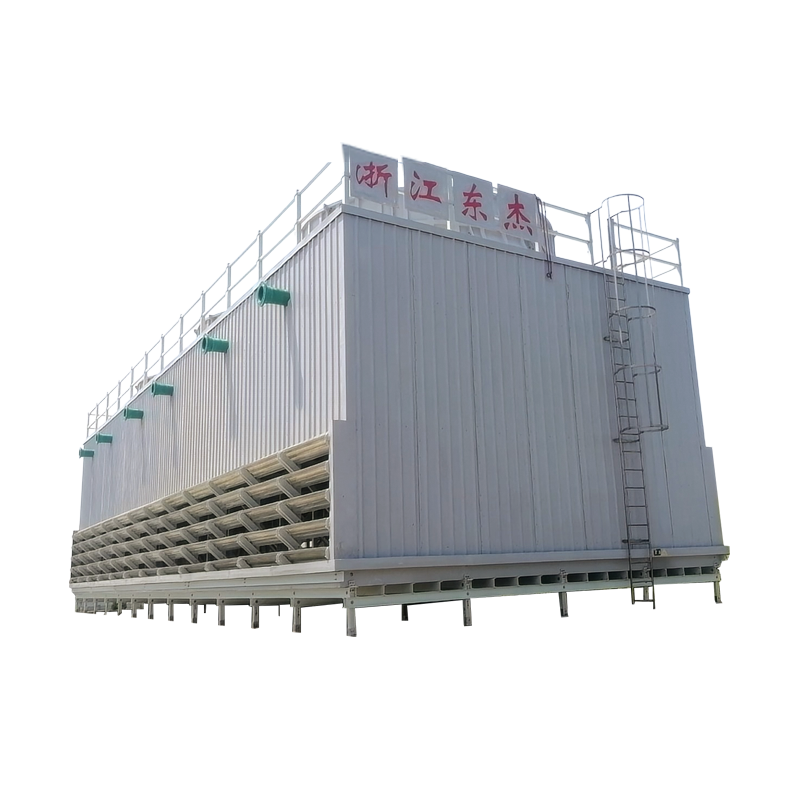
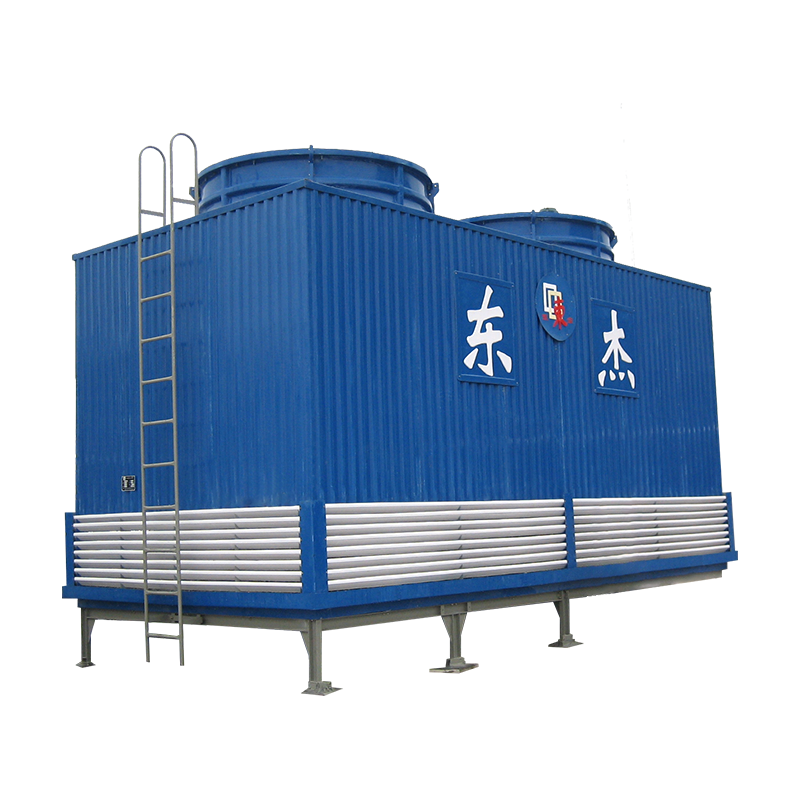
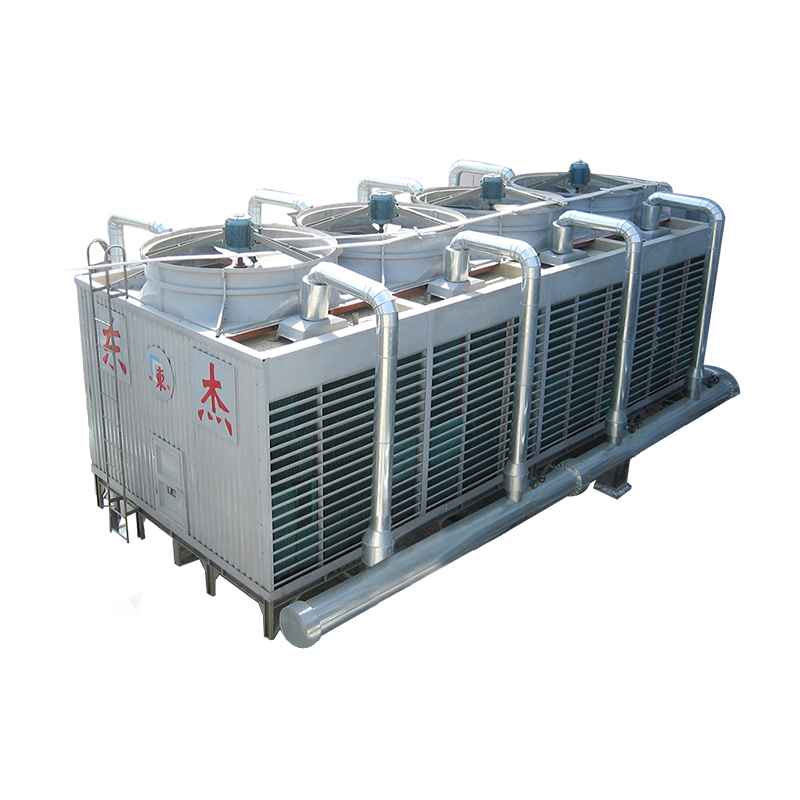
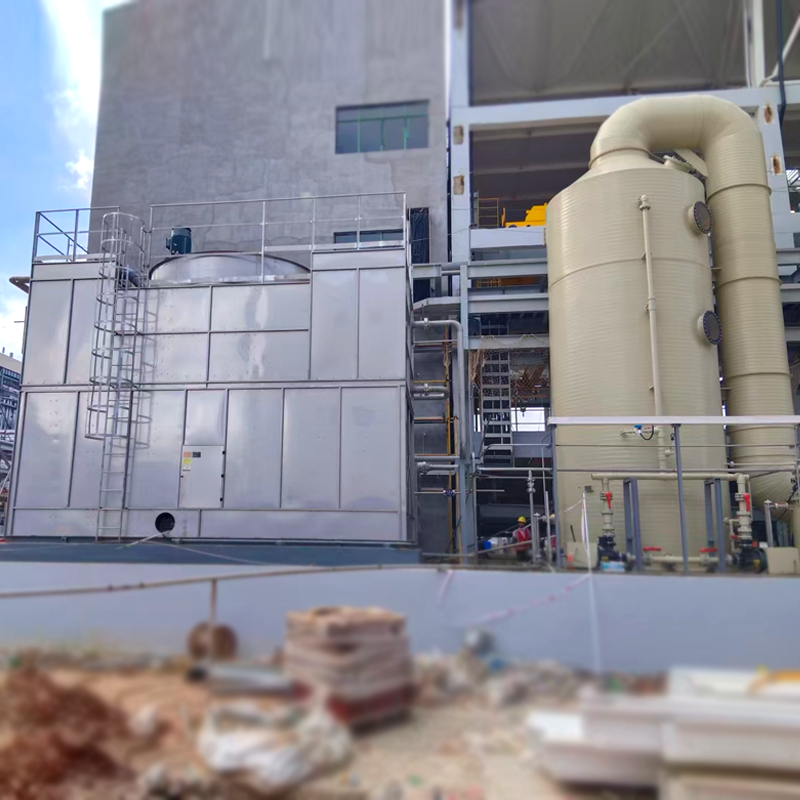
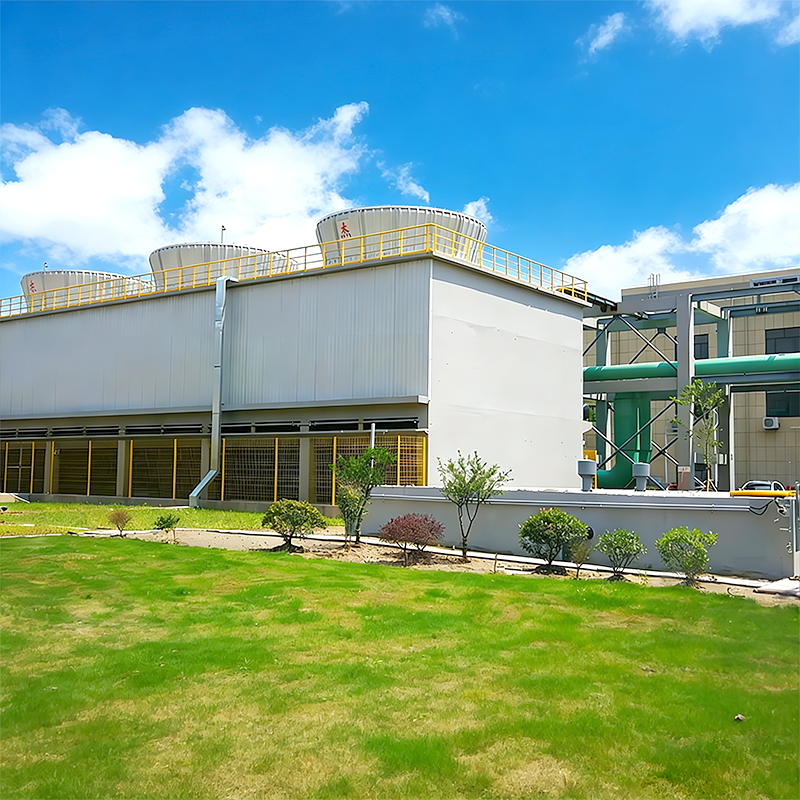
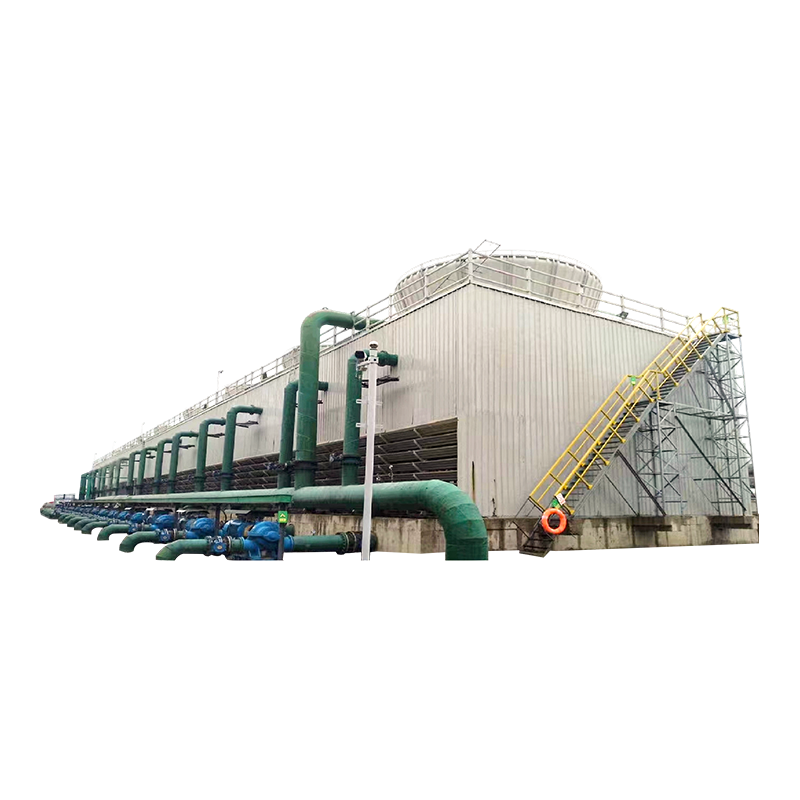
Industrial cooling towers are not peripheral infrastructure. In chemical production facilities, petroleum refineries, lithium-ion battery manufacturing plants, photovoltaic cell factories, and hydrogen production installations, cooling towers perform the foundational thermodynamic work that makes continuous high-temperature processing possible. They reject the waste heat generated by reactors, heat exchangers, compressors, and power systems, maintaining the temperature differentials on which process efficiency depends.
The energy consumption profile of cooling systems is correspondingly significant. Cooling tower fans, circulation pumps, and ancillary systems can account for between eight and twenty percent of a facility's total energy demand depending on process intensity and climate. In a sector under pressure to reduce absolute carbon emissions, this is not a peripheral cost to be managed but a primary target for systematic optimization.
What Makes FRP Composite Material Distinctively Suited to Industrial Upgrading
Fiber-reinforced polymer composites consist of high-strength glass, carbon, or basalt fibers embedded within a polymer matrix — most commonly unsaturated polyester, vinyl ester, or epoxy resin systems. The resulting material combines properties that no single conventional material achieves simultaneously: the tensile strength approaching structural steel, the corrosion resistance exceeding most stainless alloys in acidic and alkaline media, the thermal stability required for hot-water cooling applications, and the weight characteristics of plastic.
For cooling tower construction specifically, the material properties that matter most are not theoretical maximums but the sustained performance profile under the combined stresses of the actual operating environment: wet-dry cycling, UV exposure, aerosol chemistry from process cooling water, thermal expansion and contraction, biofouling pressure, and mechanical vibration from fan operation. FRP composites excel in each of these dimensions in ways that explain their accelerating adoption in demanding industrial settings.
The polymer matrix is inherently non-reactive to the acidic, alkaline, and chlorinated conditions common in chemical and new energy process cooling circuits. No cathodic protection, sacrificial anodes, or corrosion allowance engineering is required.
Glass fiber reinforcement delivers tensile strength of 200-350 MPa depending on fiber orientation and volume fraction, maintaining structural performance under the sustained mechanical loads of operating cooling towers over multi-decade service lives.
Low thermal conductivity of FRP shell materials reduces parasitic heat gain from ambient conditions, while precision fill media geometry optimized through computational fluid dynamics maximizes evaporative heat transfer efficiency per unit fan power input.
FRP tower sections weigh 40-60 percent less than equivalent concrete or steel structures, enabling modular factory fabrication, simplified logistics, crane-free installation in constrained sites, and rapid assembly that minimizes production disruption.
The absence of corrosion eliminates the primary maintenance cost driver in metallic towers. FRP surfaces resist biofouling attachment more effectively than steel, reducing cleaning frequency and the chemical biocide volumes required to maintain water quality.
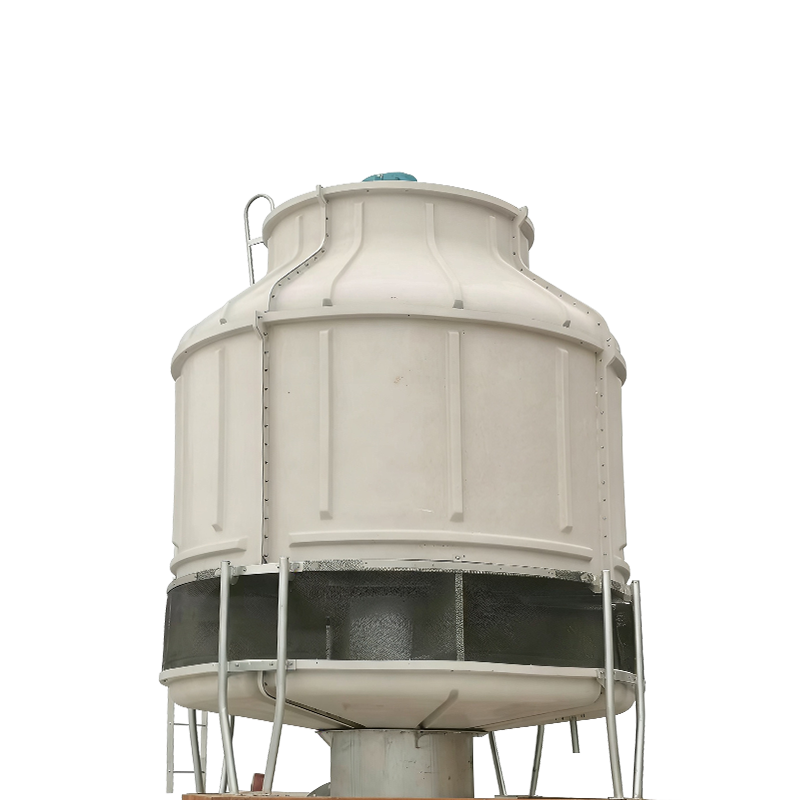
FRP can be molded into complex geometries that optimize airflow distribution, water distribution uniformity, and structural member efficiency, enabling cooling tower designs that extract maximum thermal performance from a given footprint and fan power budget.
The Corrosion Challenge in Chemical and New Energy Applications
The chemical industry presents cooling tower designers with the most demanding corrosion environment in industrial practice. Process cooling circuits in petrochemical, specialty chemical, and basic chemical production routinely handle water streams contaminated with dissolved hydrochloric acid vapors, sulfur compounds, ammonia, chlorine, oxidizing agents, and complex organic compounds that form aggressive degradation environments for conventional materials.
Carbon steel towers require sacrificial zinc coatings that deplete within three to seven years under heavy chemical exposure, followed by accelerating base metal corrosion that compromises structural integrity and contaminates cooling water with iron oxides. Stainless steel performs better but at significantly higher capital cost and with documented susceptibility to chloride stress corrosion cracking in marine-proximate and chlorinated water applications. Galvanized steel sits between these options in both performance and cost, offering inadequate protection in the most aggressive environments while still carrying the inspection, coating maintenance, and eventual replacement costs of metallic construction.
In a phosphoric acid production facility, we replaced three galvanized steel cooling towers after twelve years of accelerating maintenance expenditure. The FRP replacements have now been operating for eleven years without structural inspection findings, without coating renewal, and with cooling efficiency that has not measurably declined from commissioning. Process Engineering Manager, Phosphate Chemical Complex, North Africa
The new energy sector introduces corrosion challenges of a different but equally demanding character. Lithium battery manufacturing facilities use highly alkaline process streams and generate electrolyte vapors that attack metallic cooling infrastructure. Photovoltaic panel production involves acidic etching processes and fluoride-containing compounds. Green hydrogen production by electrolysis generates oxygen and hydrogen in environments with elevated temperature and alkalinity. In each case, the chemical compatibility profile of FRP composites provides protection that metallic alternatives cannot match at comparable cost.
Energy Conservation Mechanisms: How FRP Design Delivers Efficiency Gains
Aerodynamic and Hydraulic Optimization
Modern FRP cooling tower design incorporates computational fluid dynamics modeling that optimizes airflow paths through the tower structure from inlet louvers through fill media to fan discharge. The smooth internal surface finish achievable in FRP construction, with roughness values significantly lower than concrete or corroded metal, reduces airflow resistance and allows fans to move greater air volumes at the same power input. Fan blade tip clearances can be held to tighter tolerances against FRP shells than against concrete forms, improving fan efficiency by reducing recirculation losses.
Water distribution systems in FRP towers can be designed with low-pressure spray nozzle configurations that distribute cooling water uniformly across the fill media cross-section without the pump pressure requirements of legacy gravity distribution systems. Uniform water distribution eliminates hot spots in fill coverage that reduce effective thermal transfer area, improving overall cooling performance without increasing fan or pump energy consumption.
Thermal Performance and Fan Power Reduction
High-performance structured fill media manufactured from PVC or polypropylene — materials compatible with the FRP shell environment — provides surface area densities of 150 to 250 square meters per cubic meter of fill volume, dramatically higher than splash fill designs common in older concrete towers. Greater effective surface area per unit volume allows the same thermal duty to be accomplished with a smaller active tower footprint and lower fan power input, directly translating to reduced energy consumption per unit of heat rejected.
Variable frequency drive integration with FRP tower fan systems enables precise matching of fan speed to instantaneous cooling demand, rather than the binary on-off operation of fixed-speed systems. Because FRP structures are lighter and generate lower vibration loads than concrete towers, they are mechanically compatible with the full range of VFD-controlled fan speeds without the resonance concerns that constrain speed modulation in heavier structures. Facilities implementing VFD control on FRP cooling tower fans typically report fan energy reductions of 30 to 50 percent over full annual operating cycles.
Carbon Reduction Pathways Through FRP Cooling Tower Deployment
Quantified Carbon Reduction Contributions of FRP Cooling Tower Upgrading
Direct operational energy reduction: Lower fan and pump energy consumption from aerodynamic optimization and VFD compatibility reduces facility grid electricity demand, cutting Scope 2 carbon emissions proportional to the grid emission factor. In carbon-intensive grids, a 20 percent cooling energy reduction translates directly to material annual CO2 savings.
Embodied carbon advantage over replacement cycles: FRP cooling towers require replacement at approximately half the frequency of galvanized steel equivalents in corrosive service, reducing the embodied carbon of manufacturing, transportation, and installation events over a facility's operating life. The production energy and carbon footprint of FRP fabrication is lower per unit service life than steel manufacture.
Elimination of maintenance chemical carbon loads: Corrosion treatment chemicals, coating renewal processes, and the logistics of metallic component replacement all carry carbon burdens that are avoided or substantially reduced with FRP construction. Biocide reduction from improved surface biology also contributes to reduced chemical production impacts upstream.
Compatibility with low-carbon process integration: FRP cooling towers can be designed for integration with heat recovery systems that capture and reuse low-grade heat from the cooling circuit rather than rejecting it to atmosphere, enabling energy cascading strategies that further reduce primary energy demand and associated emissions.
Application Profiles Across Chemical and New Energy Subsectors
Key Application Environments and Specific FRP Advantages
- Petrochemical Refining: Hydrogen sulfide and sulfuric acid aerosol environments that destroy unprotected metal within years are handled without material concern by vinyl ester resin FRP systems. Long service intervals between inspections reduce maintenance shutdown frequency in continuous-process facilities where downtime carries enormous production cost.
- Specialty Chemical Production: Custom FRP formulations can be specified to resist specific aggressive compounds unique to specialty chemical processes, including halogenated solvents, oxidizing acids, and complex organic environments, providing targeted protection that generic materials cannot match.
- Lithium-Ion Battery Manufacturing: Alkaline electrolyte environments and the need for ultra-pure cooling water free from metallic contamination that would compromise battery chemistry make FRP the preferred material for battery gigafactory cooling infrastructure globally.
- Solar PV Cell Production: Hydrofluoric acid and nitrogen trifluoride process environments require cooling tower materials with exceptional fluoride resistance. Specialized FRP formulations incorporating fluoropolymer-modified resins address this requirement effectively.
- Green Hydrogen Electrolysis: High-purity water at elevated temperature and the alkaline environment of PEM and alkaline electrolyzers demand cooling infrastructure that introduces no metallic contamination and maintains dimensional stability under thermal cycling — precisely the performance profile of engineered FRP composites.
- Concentrated Solar Power: High ambient temperature desert sites, remote location logistics, and the need for minimal maintenance intervention favor modular FRP cooling tower construction that can be transported in sections and assembled without heavy lifting equipment.
Lifecycle Cost Analysis: The Economic Case for Green Upgrading
Capital cost comparisons between FRP and conventional cooling tower materials typically show FRP at a premium of fifteen to thirty percent over galvanized steel at point of purchase. This comparison is routinely cited by procurement functions under capital expenditure pressure as a barrier to FRP adoption. The full lifecycle cost analysis consistently reverses this conclusion.
| Cost Category | FRP Composite | Galvanized Steel | Reinforced Concrete |
|---|---|---|---|
| Initial capital cost | Moderate-high | Moderate | High |
| Corrosive environment service life | 25+ years | 8-12 years | 15-20 years |
| Annual coating maintenance | Not required | Required from year 5-7 | Periodic sealant renewal |
| Structural inspection frequency | Low | High (corrosion monitoring) | Moderate |
| Fan energy efficiency | High (smooth surface, tight tolerances) | Moderate | Lower (rough surface, high mass) |
| Installation complexity | Low (lightweight modular) | Moderate | High (formwork, cure time) |
| 20-year total cost of ownership | Lowest in corrosive service | Highest (replacement cycles) | Moderate |
The decisive factor in this analysis is replacement cycle cost. A galvanized steel cooling tower requiring replacement in year ten of a facility's operating life carries the full capital cost of replacement plus lost production during shutdown plus engineering and commissioning fees — costs that typically exceed the initial FRP premium by a factor of two to four in aggressive corrosive service. When this replacement cycle is modeled across a twenty-five to thirty year facility operating horizon, FRP composite construction consistently demonstrates the lowest total cost of ownership in the environments where chemical and new energy facilities operate.
Engineering Specifications for High-Performance FRP Cooling Tower Systems
Resin System Selection
The polymer matrix selection determines the chemical resistance ceiling of the finished structure. For general industrial service with moderate corrosion exposure, orthophthalic or isophthalic polyester resins provide adequate performance at competitive cost. For the aggressive acid, alkali, and solvent environments common in chemical processing, vinyl ester resins offer superior resistance to a broader range of aggressive compounds and should be specified as the structural laminate system. For the most demanding fluoride, strong oxidizer, or chlorinated solvent environments, bisphenol epoxy or specialized fluoropolymer-modified resin systems provide the required resistance profile.
Glass Fiber Architecture
The mechanical performance of FRP structural members depends critically on fiber volume fraction, orientation, and continuity. Hand layup construction, though economical, produces variable fiber content and orientation that compromises reproducibility of structural properties. Premium cooling tower manufacturers employ filament winding for cylindrical components and matched-die compression molding for structural sections, achieving fiber volume fractions of forty to sixty percent with controlled orientation that delivers consistent, certifiable mechanical properties across production batches.
Surface Veil and Corrosion Barrier Design
The outermost layer of an FRP composite exposed to process corrosives requires particular attention. A properly designed corrosion barrier consists of a resin-rich surface veil of synthetic fiber — typically C-glass or polyester mat — with a resin content above ninety percent, backed by the structural glass fiber reinforcement. This resin-rich surface layer presents the chemical environment with pure polymer rather than exposed glass fiber, dramatically extending resistance to surface degradation and maintaining appearance and dimensional integrity over the service life.
Strategic Positioning Within the Green Industrial Upgrading Agenda
The deployment of high corrosion-resistant FRP composite cooling towers represents more than a material substitution decision. In the context of the green industrial upgrading agenda that is now codified in national industrial policy across major manufacturing economies, it represents an investment in infrastructure that is explicitly aligned with three simultaneous objectives: operational carbon reduction through energy efficiency, extended asset life through material performance, and reduced maintenance burden through inherent corrosion immunity.
For chemical producers navigating the transition from carbon-intensive to lower-carbon operations, every significant capital investment is increasingly evaluated against its contribution to the decarbonization trajectory. Cooling tower upgrades that deliver verifiable energy savings with a documented carbon reduction impact, supported by lifecycle cost analyses that justify the investment on conventional financial grounds independent of carbon pricing, occupy a uniquely favored position in capital allocation decisions. They are simultaneously good engineering, good economics, and good environmental strategy.
For new energy manufacturers — the battery, solar, and hydrogen producers whose growth trajectories are among the most aggressive in the industrial economy — FRP cooling towers offer the additional advantage of specification for aggressive chemical environments without the corrosion-driven maintenance cycles that would disrupt the continuous production schedules on which their cost competitiveness depends. Getting infrastructure right at the greenfield stage, rather than upgrading reactively as corrosion imposes itself, is the philosophy that drives FRP specification in these facilities from the initial engineering basis of design.
The cooling tower is not glamorous infrastructure, but it is foundational. In chemical and new energy facilities, getting it wrong means years of escalating maintenance costs and efficiency degradation. FRP composite construction is the specification choice that removes this risk category from the operating horizon. Industrial Infrastructure Engineer, Asia-Pacific Petrochemical Sector
Implementation Considerations for Facility Operators Evaluating FRP Upgrading
Facilities evaluating the transition from conventional to FRP composite cooling tower technology face a set of implementation considerations that are primarily practical rather than technical. The technology is mature, the performance data is extensive, and the material science is well understood by the manufacturers who have been serving the chemical industry with FRP cooling infrastructure for more than three decades.
Site-specific corrosion assessment is the appropriate starting point. A systematic characterization of the cooling water chemistry, the process vapor environment surrounding the tower, the ambient climate, and the UV exposure profile allows resin system selection to be made on the basis of demonstrated performance data rather than conservative general specification. Overshooting resin specification adds unnecessary cost; undershooting it exposes the installation to the corrosion failures that the upgrade is intended to eliminate.
Thermal performance modeling should accompany the corrosion assessment. Modern FRP cooling tower manufacturers offer computational analysis of the proposed installation that validates the thermal duty coverage under design conditions and identifies the fan power requirement and circulating pump head needed to achieve it. This analysis should be validated against the facility's actual heat rejection profile across seasonal temperature variation, ensuring that the specified tower delivers required cooling performance during the most demanding operating periods rather than only at nominal design conditions.
Integration with existing piping, structural supports, and electrical systems requires engineering coordination that is simplified by FRP's weight advantage — existing structural supports designed for heavier conventional towers typically accommodate FRP replacements without modification — but which must account for the dimensional differences between new and legacy equipment. Leading FRP cooling tower suppliers provide factory-level customization of connection geometries, nozzle locations, and structural interfaces that minimizes site modification work and accelerates installation timelines.
The green industrial upgrading opportunity represented by FRP composite cooling tower deployment is substantial, technically proven, financially justified, and strategically aligned with the decarbonization imperatives driving industrial investment decisions in the chemical and new energy sectors through the remainder of this decade and beyond. The material is ready. The case is made. The transition is underway.