

 English
 русский
 中文简体
中文简体
As global industrial output intensifies and sustainability mandates tighten across every major manufacturing sector, upgrading modern industrial steel structu...
READ MOREMay 13, 2026
Content
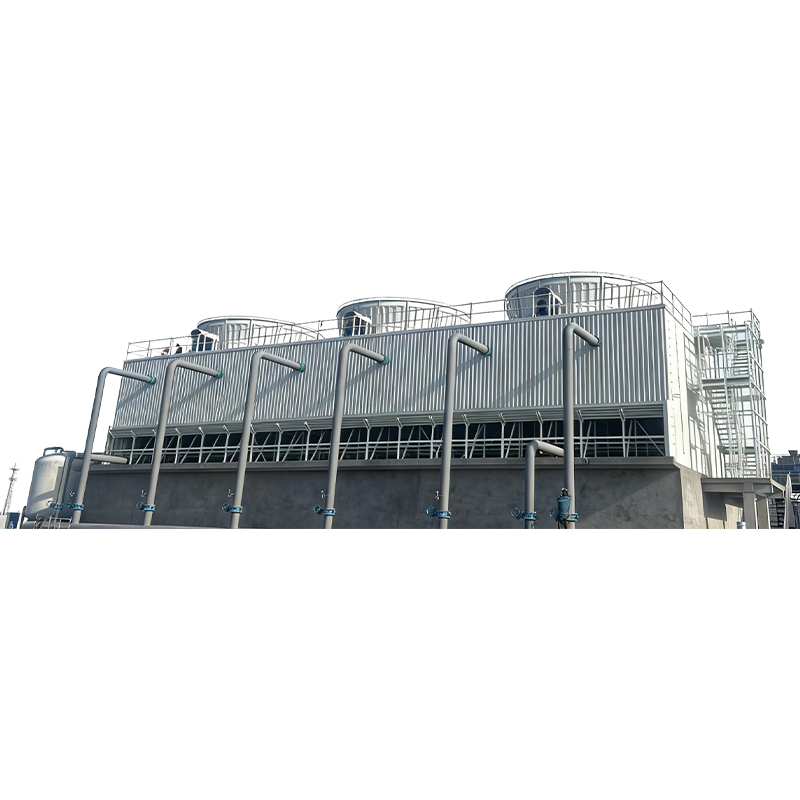
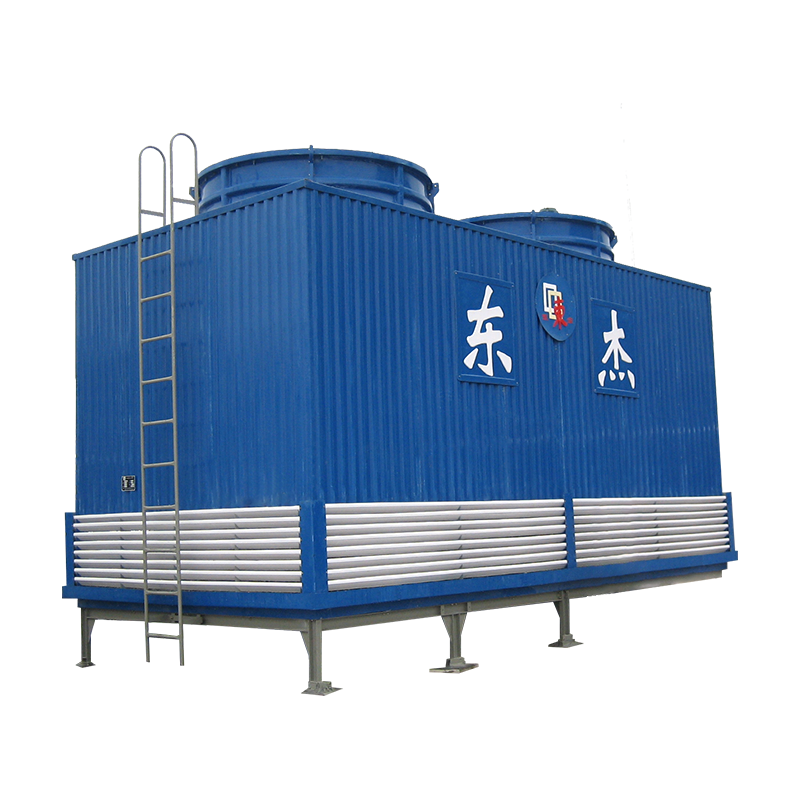
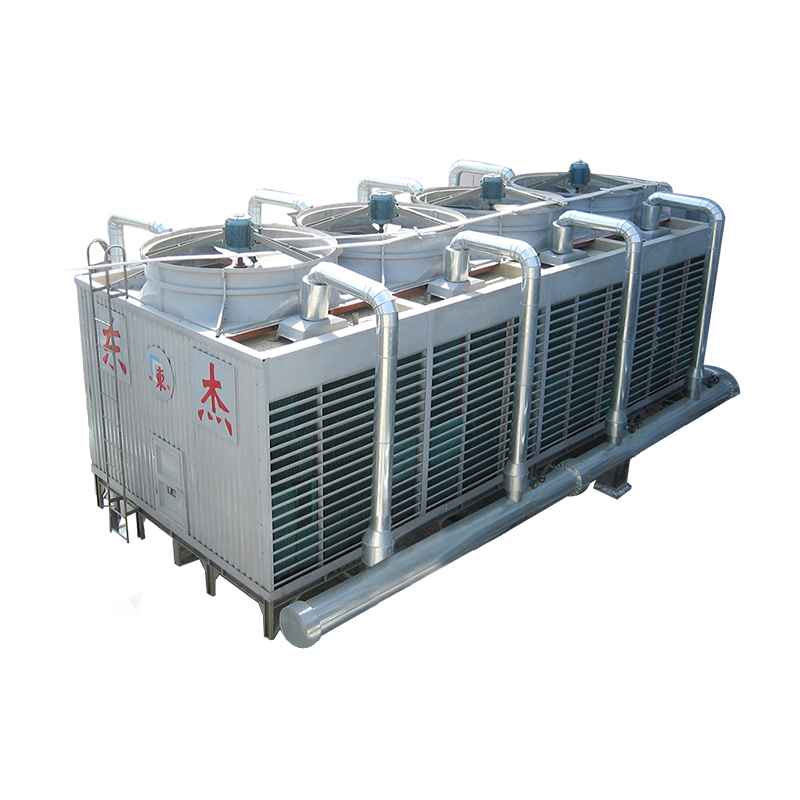
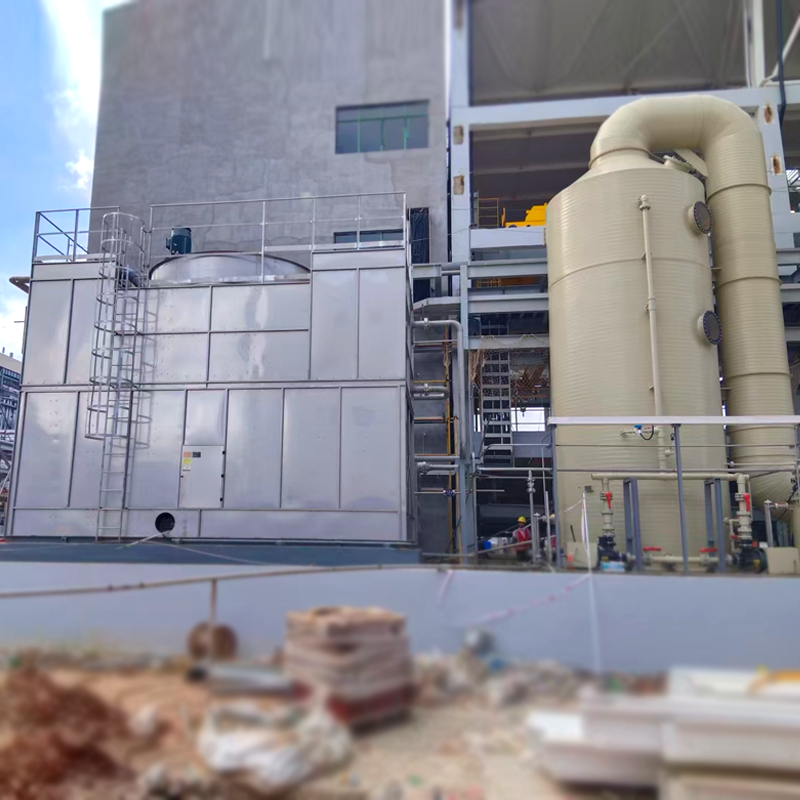
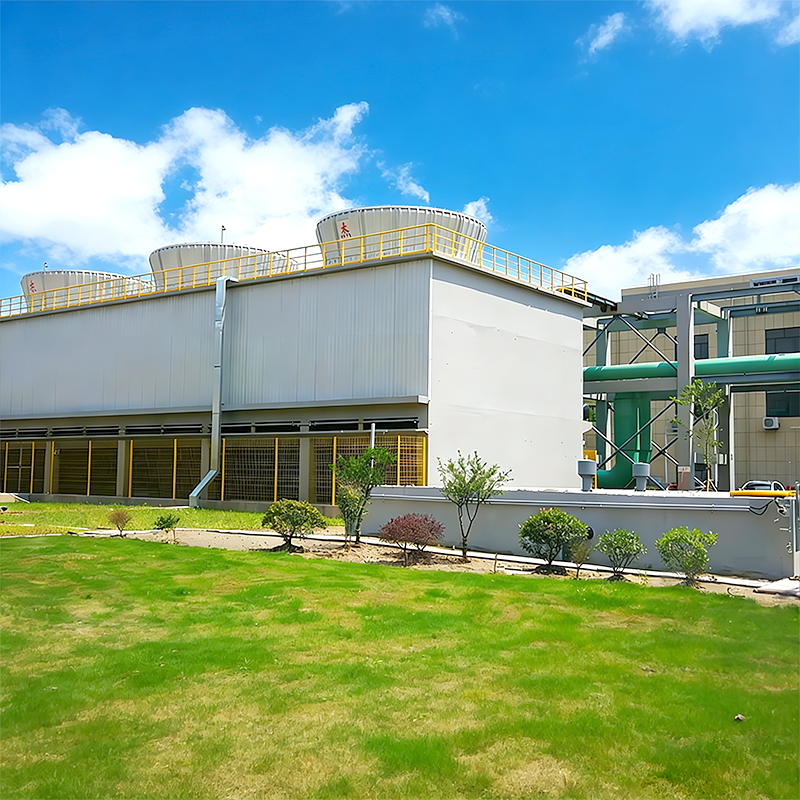
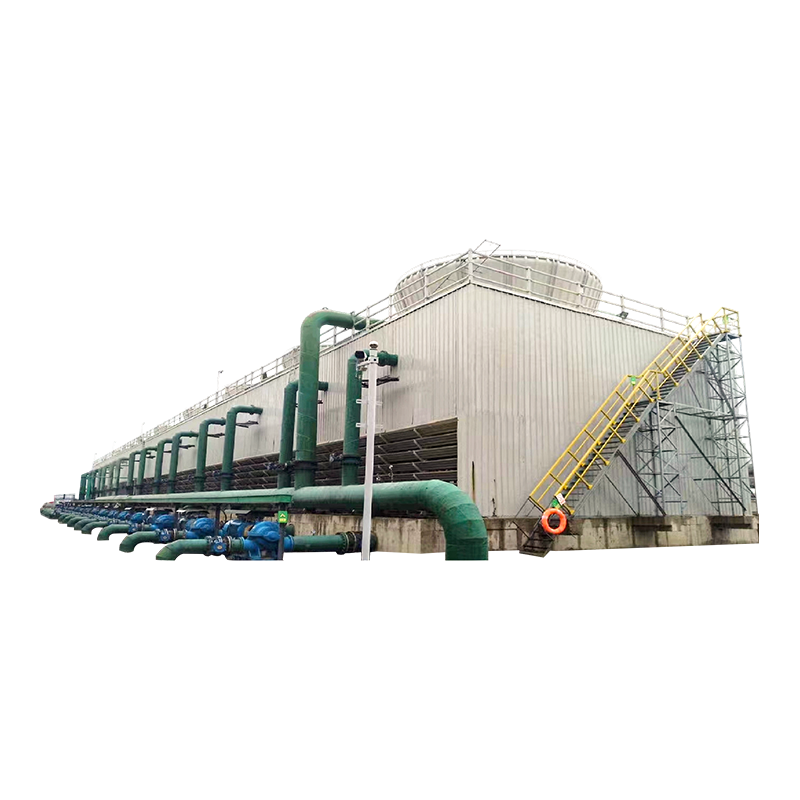
Steel structure cooling towers are the preferred choice for most new industrial and power generation installations today. Compared to reinforced concrete alternatives, they offer 30–50% faster construction timelines, significantly lower on-site labor costs, and superior adaptability to complex site conditions. Whether the application is a large-scale power plant, a petrochemical refinery, or a commercial HVAC system, a well-engineered steel cooling tower delivers reliable thermal performance with a lifespan that routinely exceeds 30 years when properly maintained.
A steel structure cooling tower is a heat rejection device in which the primary load-bearing framework — columns, beams, bracing systems, and basin supports — is fabricated from structural steel rather than reinforced concrete or fiber-reinforced polymer (FRP). The steel skeleton carries all wind, seismic, equipment, and water loads while housing the internal heat exchange components: fill media, drift eliminators, distribution systems, and fan assemblies.
These towers operate on the principle of evaporative cooling: warm process water is distributed across the fill media and exposed to an airstream, causing a fraction of the water to evaporate. This phase change absorbs latent heat and cools the remaining water, which is then recirculated back to the process equipment. The steel frame enables this system to be scaled from small modular units handling 50 refrigeration tons (RT) up to massive hyperboloid-shaped towers exceeding 150,000 RT in large thermal power plants.
The choice of structural steel over concrete or FRP is driven by a combination of mechanical properties, fabrication flexibility, and overall project economics. Steel's high strength-to-weight ratio — roughly 250–550 MPa yield strength for common grades such as ASTM A36, A572 Gr. 50, and EN S355 — allows engineers to design slender, open frames that minimize flow resistance while handling substantial dynamic loads from rotating fan equipment.
| Steel Grade | Standard | Yield Strength (MPa) | Tensile Strength (MPa) | Typical Application Zone |
|---|---|---|---|---|
| A36 | ASTM | 250 | 400–550 | Basin frames, secondary members |
| A572 Gr. 50 | ASTM | 345 | 450–620 | Main columns, beams, fan deck |
| S355 J2 | EN 10025 | 355 | 470–630 | High-load primary structure |
| 316L Stainless | ASTM A240 | 170 | 485 | Basin liners, fasteners in aggressive water |
| Corten (A588) | ASTM | 345 | 480 | Outdoor exposed casing, coastal sites |
The cooling tower environment is inherently aggressive. Warm, humid air combined with circulating water containing dissolved minerals, biocides, and scale inhibitors creates conditions that accelerate corrosion. An effective corrosion protection scheme is therefore as important as the structural design itself. Industry practice typically follows a layered approach:
A study published in the journal Corrosion found that structures with properly applied HDG plus a supplemental epoxy seal coat experienced corrosion rates below 2 µm/year in high-humidity cooling tower environments, compared to 15–25 µm/year for bare carbon steel under the same conditions.
Designing a steel cooling tower structure demands attention to load combinations that are unique compared to conventional building frameworks. The designer must account simultaneously for dead loads, live loads, operating water loads, wind, seismic, fan-induced vibration, and the thermal cycling effects of intermittent operation.
The Cooling Technology Institute (CTI) Standard STD-137 provides the primary industry framework for structural design in North America, while EN 13791 and ISO 9931 govern designs in European and international markets. Key load categories include:
Most counterflow and crossflow steel cooling towers use a rectangular grid of wide-flange (WF) or square hollow structural section (HSS) columns spaced at 3–6 m centers. In counterflow configurations, the internal column layout must also accommodate the air inlet louver system, often requiring cantilevered outrigger beams to support the louver frame without obstructing the inlet face.
Diagonal knee bracing in the vertical planes provides lateral stiffness without the visual obstruction of full X-bracing. For towers in high seismic zones, moment-resisting frame connections between columns and beams are used in at least one direction, with bolted end-plate connections designed to develop the full plastic moment capacity of the beam section.
The cold-water basin is structurally among the most demanding elements. It must act as a waterproof container under hydrostatic pressure while spanning between support columns. Common designs use:
Project teams evaluating cooling tower structural systems face a three-way choice in most industrial contexts. Each material has domains where it excels, and the decision often comes down to site logistics, operating environment chemistry, long-term budget priorities, and required service life.
| Criterion | Steel Structure | Reinforced Concrete | FRP / GRP |
|---|---|---|---|
| Construction Speed | Fast — shop fabrication, field erection | Slow — formwork, curing cycles | Fast for small towers |
| Initial Cost (per RT) | Moderate | Low–Moderate (large towers) | Moderate–High |
| Corrosion Resistance | Requires coating/galvanizing | Good if well cured | Excellent — inherently resistant |
| Design Flexibility | High — modular, expandable | Low once poured | Moderate |
| Structural Capacity | High — all load categories | Very High (large monolithic) | Limited to smaller towers |
| Seismic Performance | Excellent — ductile failure mode | Moderate (brittle without detailing) | Poor under high loads |
| Maintenance Frequency | 5–10 year coating inspection cycles | 10–15 year cycles | Low — UV degradation check |
| Recyclability | High — steel is 100% recyclable | Moderate (aggregate reuse) | Very Low |
The data shows that steel's primary competitive advantages are speed, design flexibility, and seismic ductility. For industrial projects with fast-track schedules — where every week of delay carries a cost of $50,000–$500,000 in lost production — the construction speed advantage alone often justifies the choice.
Not all cooling towers share the same structural challenges. The choice of cooling tower type — counterflow, crossflow, natural draft, or mechanical draft — directly dictates the geometry, load paths, and fabrication complexity of the steel framework.
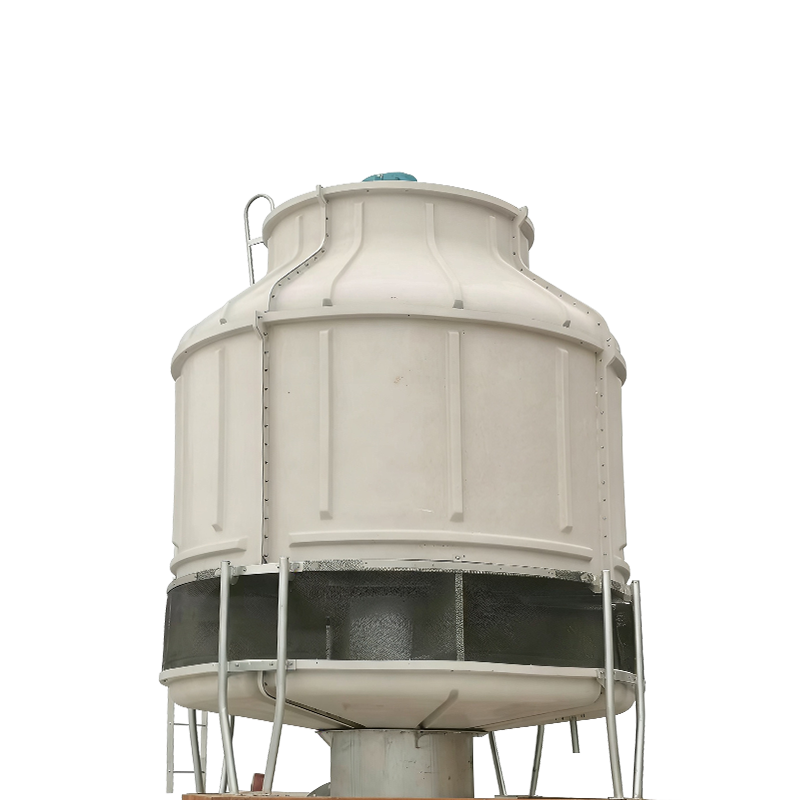
In counterflow designs, air moves upward through the fill while water falls downward. The steel structure must support the fan deck at the top, which carries the motor, gearbox, fan stack, and vibration isolators. A single large-diameter fan (5–10 m) may weigh 2,000–5,000 kg including the motor, imposing concentrated point loads on the fan deck beams. The deck structure is typically a grillage of WF beams or HSS sections designed with a deflection limit of L/360 to protect the fan alignment.
Crossflow towers draw air horizontally through vertically oriented fill panels. This configuration results in a wider, lower-profile structure that is well-suited to sites with height restrictions. The steel frame must span across large open louver faces, often using built-up plate girders or trusses of 6–12 m span. Because hot water enters from the top through gravity-fed distribution basins, the hot-water distribution structure must handle the full basin live load plus impact from falling water streams.
Natural draft towers rely on the buoyancy of warm, moist air to induce airflow without mechanical fans. While the iconic hyperbolic shell of large natural draft towers is almost exclusively constructed in reinforced concrete (due to the structural efficiency of shell action in compression), the internal support structure — including the fill framework, distribution system support, and basin — is frequently fabricated in structural steel. The 500 MW Drax Power Station in the UK, for example, uses concrete hyperbolic shells with internal steel fill support structures of considerable complexity, spanning up to 85 m in diameter.
For commercial and industrial HVAC applications, factory-assembled modular steel cooling towers are available in standardized cell widths of 1.5–3.0 m, with multiple cells bolted together on site. These modules are shop-welded from galvanized steel channels and angles, then shipped complete with fill, drift eliminators, and fan assemblies installed. Field erection time for a 10-cell modular tower can be as short as 3–5 days, compared to 3–6 months for a field-erected concrete equivalent.
The sequence of fabrication, delivery, and field erection is central to the cost and schedule performance of a steel cooling tower project. Unlike concrete structures, which are built entirely in the field, steel structures benefit enormously from shop fabrication under controlled quality conditions.
Structural members are cut, drilled, and welded in the fabrication shop according to approved engineering drawings. Modern CNC plasma and laser cutting machines achieve tolerances of ±0.5 mm, ensuring field connections are predictable and fast. Welding is performed to AWS D1.1 or EN ISO 3834 standards with full documentation of weld procedures, welder qualifications, and nondestructive testing (NDT) results. After welding and surface preparation, the galvanizing process immerses completed steel assemblies in a bath of molten zinc at 445–455°C, bonding the zinc metallurgically to the steel surface.
Field work proceeds in a logical sequence:
High-strength bolted connections (ASTM A325 or A490; Grade 8.8 or 10.9 per ISO) are used for all primary structural connections in the field. Bolted connections allow easier quality inspection and future disassembly compared to field welds, which require trained welders and weather protection.
While thermal performance is primarily a function of fill media selection, water-to-air flow ratio, and fan design, the steel structure indirectly affects cooling efficiency in several important ways.
Structural members within the air inlet and fill zones obstruct airflow and create turbulence that reduces heat transfer efficiency. Industry data indicates that every 1% increase in inlet obstruction area reduces effective airflow by approximately 0.5–0.8%. Steel structures, with their slender open sections, typically achieve lower obstruction ratios than concrete columns of equivalent load capacity. A 200 mm HSS column presents roughly 30–40% less frontal area than a 350 mm concrete column of equivalent axial load capacity.
The geometry of the steel casing and discharge stack affects the tendency of warm, saturated exhaust air to recirculate back into the air inlet. Computational fluid dynamics (CFD) studies routinely show that discharge stack height and the positioning of structural members relative to prevailing wind directions can shift the recirculation factor by 2–8°C wet-bulb equivalent, directly degrading thermal performance. Structural engineers and process engineers must collaborate early to optimize casing geometry.
The steel basin structure influences the internal hydraulics of the cold-water collection zone. Internal baffles fabricated from steel plate can be used to eliminate short-circuit flow paths that allow warm influent water to bypass the fill zone and enter the recirculation pump suction directly. Properly designed baffle structures improve effective thermal length and can recover 0.5–1.5°C of cooling performance at no additional fan energy cost.
Steel structure cooling towers are designed for long service lives, but achieving the expected 30–40-year operational period requires a disciplined inspection and maintenance program. Deferred maintenance is consistently the leading cause of premature structural failure in cooling tower surveys. A 2019 industry survey by the Cooling Technology Institute found that over 60% of cooling tower failures were attributable to corrosion that could have been arrested with timely coating maintenance.
Understanding how steel cooling tower structures fail allows maintenance teams to prioritize inspection resources effectively:
As industrial operators face intensifying pressure to reduce their environmental footprint, the sustainability profile of steel structure cooling towers is a genuine competitive advantage. Steel is the world's most recycled industrial material: global steel recycling rates exceed 85% in construction applications, and recycled steel requires only 25–35% of the energy needed to produce virgin steel from iron ore.
At end of life, a steel cooling tower frame has substantial residual scrap value. At 2024 scrap steel prices of approximately $300–400 per metric ton, a 200-tonne steel cooling tower frame represents $60,000–$80,000 in recoverable material value, partially offsetting demolition costs.
Evaporative cooling towers consume significant quantities of fresh water through evaporation (approximately 0.1–0.2% of circulation flow per degree of cooling), blowdown (to control mineral concentration), and drift losses. The steel structure plays a role in minimizing drift losses through the quality and placement of drift eliminator support frameworks. Modern high-efficiency drift eliminators achieve drift rates below 0.0005% of circulation flow, compared to 0.1–0.2% for older designs — a reduction that directly decreases water makeup requirements and minimizes mineral deposition on surrounding equipment and buildings.
In water-scarce regions, hybrid cooling systems combine evaporative wet cooling sections with dry air-cooled heat exchanger sections in a single structural frame. The steel structure is uniquely suited to this hybrid configuration because it can be designed with the dimensional flexibility to accommodate both the wet-fill media zone and the dry coil bundle zone within a single integrated tower footprint. Projects in arid regions such as the Middle East and Australian inland areas have used this hybrid approach to reduce water consumption by 50–70% compared to conventional evaporative-only designs while maintaining acceptable approach temperatures for process cooling.
Evaluating cooling tower structural systems purely on initial capital cost leads to poor investment decisions. A rigorous total cost of ownership (TCO) analysis over a 30-year project life typically changes the ranking of structural options significantly.
| Cost Category | Steel Structure | Concrete Structure | FRP Structure |
|---|---|---|---|
| Initial Capital Cost | $2.8M | $2.5M | $3.4M |
| 30-Year Maintenance | $0.9M | $0.7M | $0.6M |
| Downtime Cost (lost production) | $0.3M | $0.7M | $0.4M |
| End-of-Life Demolition (net) | -$0.1M (scrap credit) | $0.4M | $0.5M |
| Total 30-Year Cost | $3.9M | $4.3M | $4.9M |
The analysis illustrates that despite slightly higher initial capital cost than concrete, the steel structure achieves the lowest 30-year total cost when downtime and end-of-life value are properly accounted for. The concrete structure's higher downtime cost reflects the longer outage periods required to repair concrete spalling, rebar rehabilitation, and waterproofing restoration that typically become necessary in the 15–20 year service life range.
For cooling towers installed in seismically active regions — from California to Japan, Chile, New Zealand, and Turkey — the ductility of structural steel is a decisive safety and economic advantage. Steel's ability to absorb seismic energy through controlled plastic deformation (ductility) allows designers to size structures for moderate design forces while relying on the material itself to provide reserve capacity beyond the design event.
A concrete structure subjected to a seismic event exceeding its design basis may experience brittle shear or compressive failure, which can be catastrophic and requires complete reconstruction. A steel structure subjected to the same overload event typically exhibits visible deformation — buckled bracing or yielded beam flanges — that can be repaired by a specialist contractor in days to weeks, rather than requiring full replacement. Post-earthquake assessments following the 2011 Tōhoku event in Japan documented multiple cases where steel industrial cooling tower structures sustained minor-to-moderate repairable damage in zones where equivalent concrete structures required complete demolition.
Procurement teams and engineers specifying steel cooling towers should define requirements across the following technical dimensions to ensure competitive and compliant bids:
Related Products
As global industrial output intensifies and sustainability mandates tighten across every major manufacturing sector, upgrading modern industrial steel structu...
READ MOREIndustrial cooling accounts for nearly a fifth of global electricity consumption. As climate targets tighten and energy costs surge, the race toward high-effi...
READ MOREIndustrial facilities that rely on continuous thermal processes, from power generation to chemical manufacturing to large scale HVAC systems, depend heavily on...
READ MOREIndustrial cooling is among the largest consumers of energy and water in the global manufacturing economy. Chillers, cooling towers, heat exchangers, and proc...
READ MOREStructural Frame Material Sets the Baseline for Service Life A steel structure cooling tower uses a galvanized or coated steel frame in place of the wood or FR...
READ MOREWhy Steel Structure Cooling Towers Dominate Large-Scale Industrial Cooling A Steel Structure Cooling Tower is the correct specification choice for large-scale ...
READ MORE
dj@djcoolingtower.com
+86-0575-82433555 (Extension 0)
+86 130 6551 5158 Manager Zhang
