

 English
 русский
 中文简体
中文简体
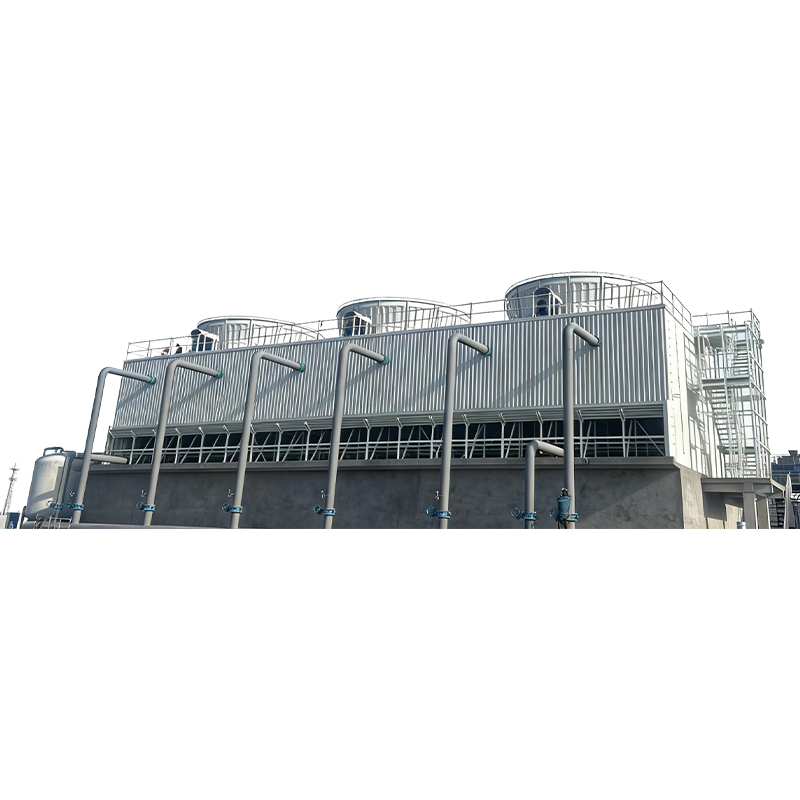
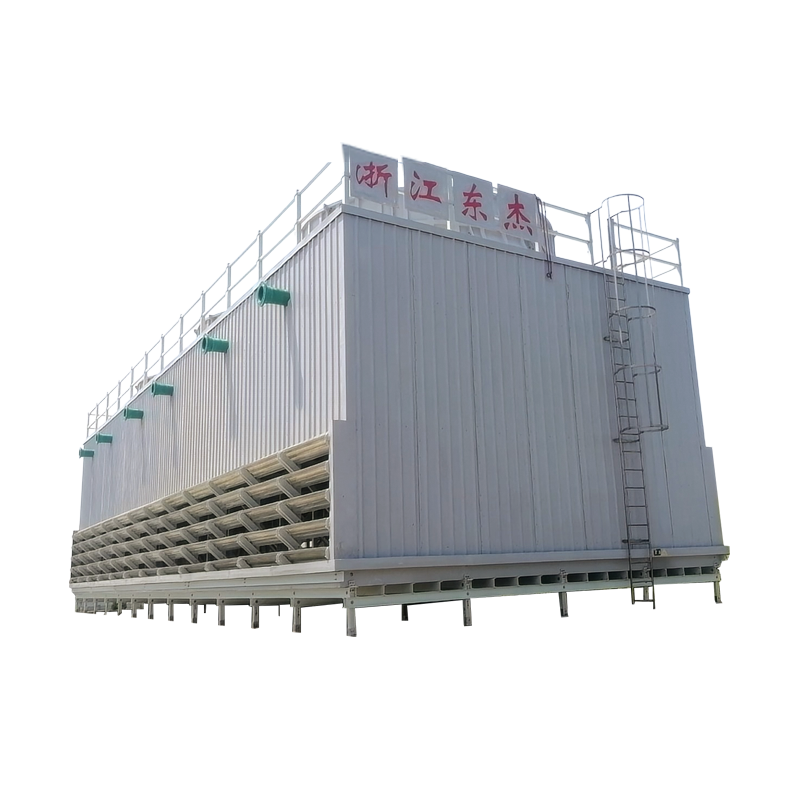
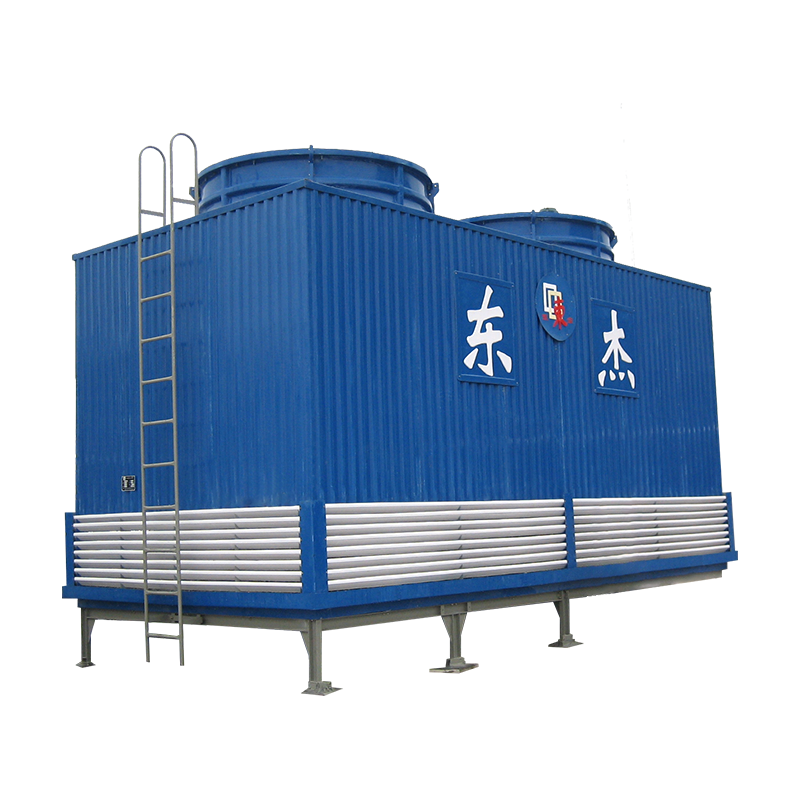
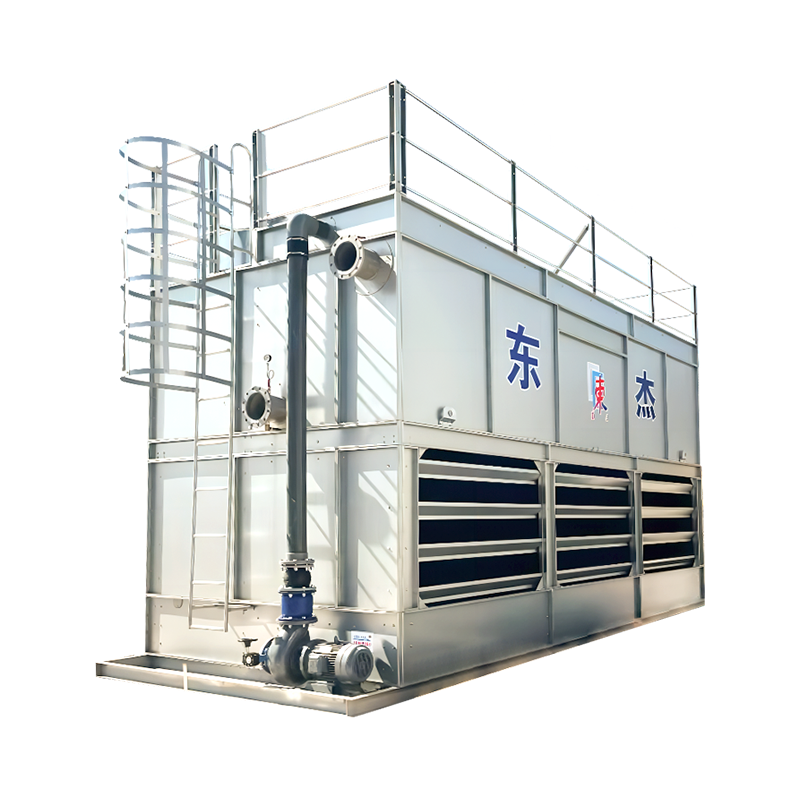
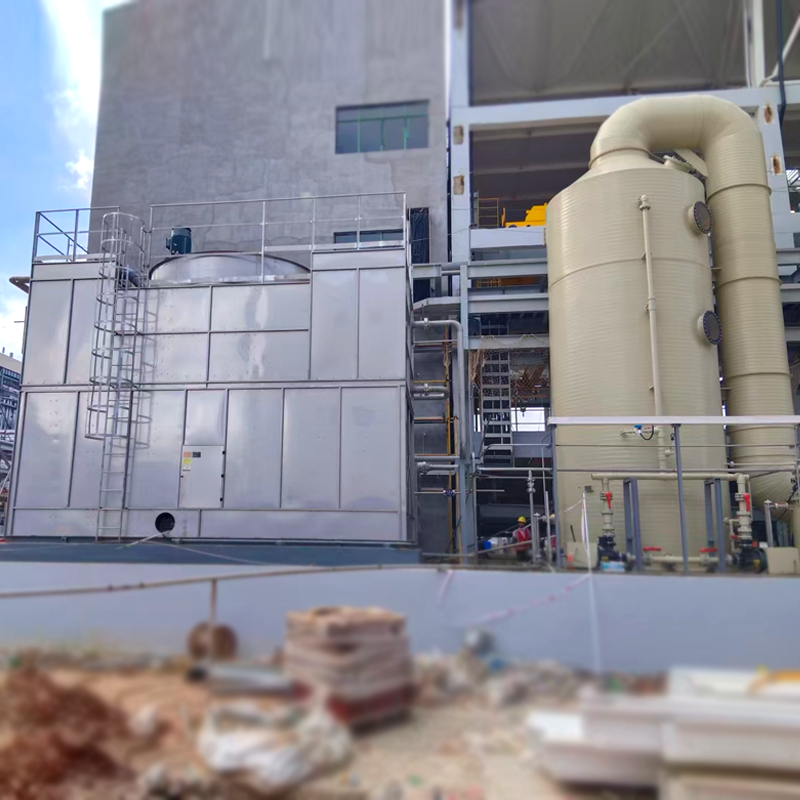
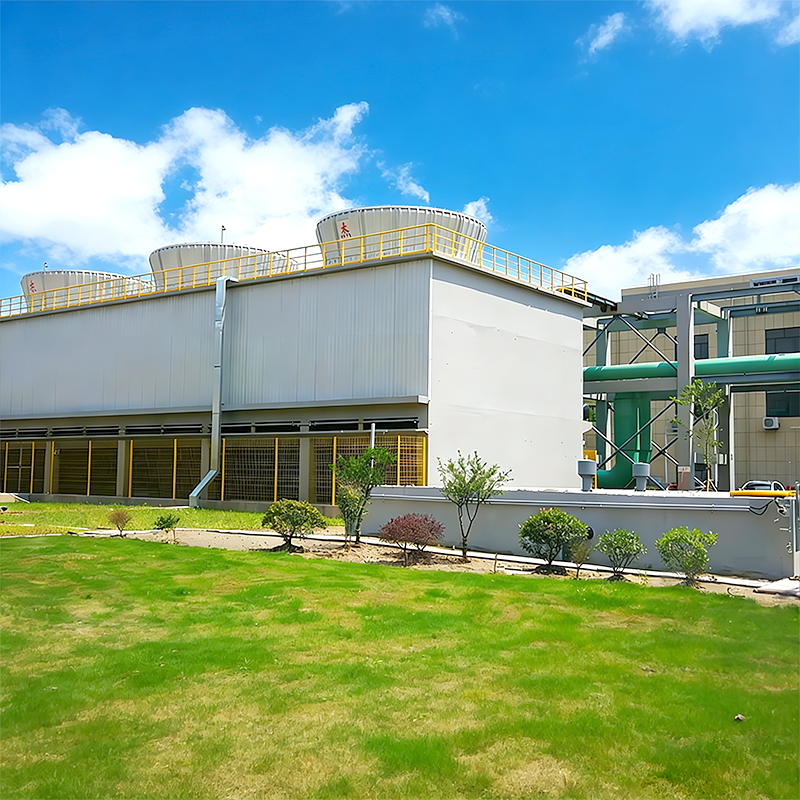
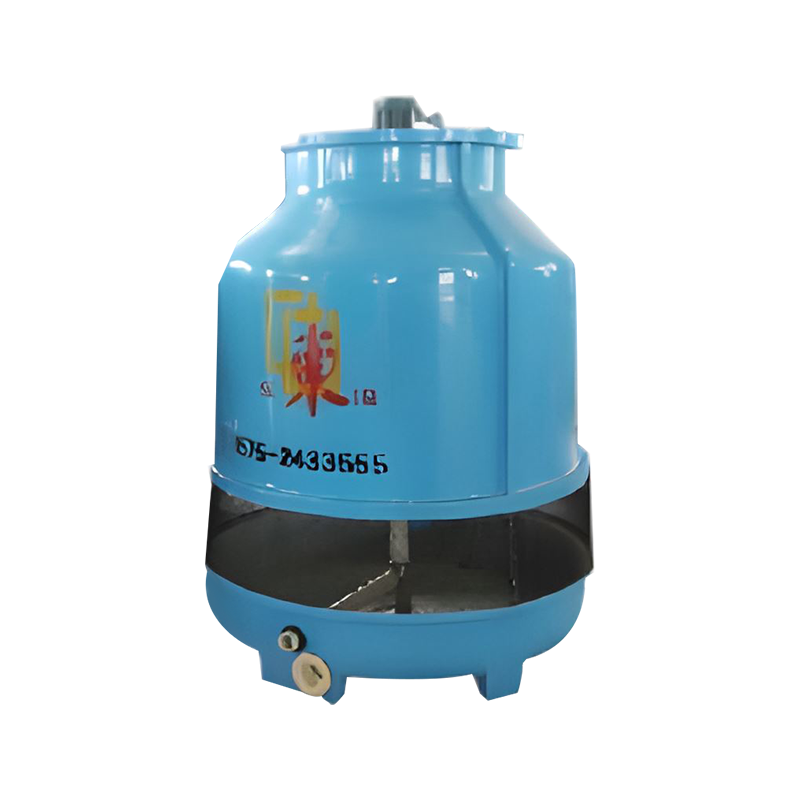
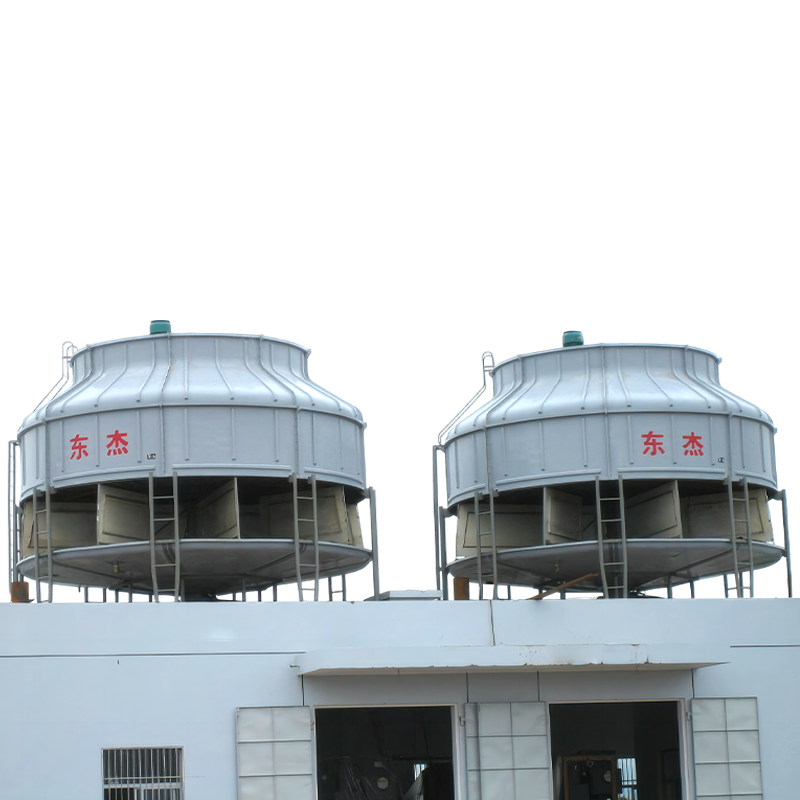
An FRP Cooling Tower Is a Cooling Tower Built From Fiberglass Reinforced Plastic Instead of Metal or Wood An FRP cooling tower is an evaporative heat rejection...
READ MOREJul 03, 2026
Content
The core difference between FRP (Fiberglass Reinforced Plastic) and concrete cooling towers comes down to weight, lifespan, and cost structure. FRP towers are lightweight, corrosion-resistant, and quick to install, generally lasting 15-20 years. Concrete towers are heavier, more rigid, and built for long-term heavy industrial service, often lasting 30-50 years. FRP works best for commercial buildings, rooftop installations, and mid-sized industrial systems, while concrete is the standard choice for large power plants and facilities needing maximum structural durability over decades of continuous operation.
FRP cooling towers are assembled from molded fiberglass panels reinforced with resin, bolted together into modular sections at the factory. This construction method produces a strong yet lightweight shell. Concrete towers use cast-in-place or precast reinforced concrete with embedded steel rebar, creating a dense, monolithic structure poured directly on-site.
This difference in build method directly shapes how each tower is transported, installed, and eventually repaired or replaced.
FRP towers can weigh 3 to 5 times less than a comparable concrete structure, which reduces the load on rooftops and existing foundations. This makes FRP a practical choice for retrofits where structural reinforcement isn't feasible. Concrete towers require substantial foundation work and heavy equipment, extending both timeline and site disruption.
| Factor | FRP Tower | Concrete Tower |
|---|---|---|
| Installation Time | 1-3 weeks | 3-6 months |
| Foundation Needs | Minimal | Extensive |
| Lifting Equipment | Small to medium crane | Heavy-duty crane |
FRP is naturally resistant to corrosion from chlorides, acids, and aggressive water treatment chemicals, making it a strong option for coastal sites or systems using heavy chemical dosing. Concrete is more susceptible to spalling, cracking, and rebar corrosion when exposed to moisture and chemical cycling over time, particularly if protective coatings are not maintained.
Left unaddressed, concrete degradation can allow water infiltration that accelerates internal steel corrosion, weakening the structure from within.
Concrete cooling towers typically deliver 30 to 50 years of service when properly maintained, making them a common choice for utility-scale power plants where replacement is costly and disruptive. FRP towers usually last 15 to 20 years, but individual panels can be replaced without rebuilding the entire structure, which simplifies long-term upkeep.
Cost considerations differ at both the installation and ownership stages:
Facilities should compare total lifecycle cost rather than upfront price alone, since FRP's shorter lifespan can be offset by lower installation and maintenance expenses over time.
Select FRP if your project needs fast installation, lower upfront cost, corrosion resistance, or must fit rooftop and space-constrained sites. Select concrete if your facility handles very high cooling loads or requires a service life beyond 30 years, such as at a large power generation or heavy industrial plant.
A site assessment covering water chemistry, load requirements, and available space will help confirm which material delivers the best long-term value for your specific operation.
Share:
Related Products
An FRP Cooling Tower Is a Cooling Tower Built From Fiberglass Reinforced Plastic Instead of Metal or Wood An FRP cooling tower is an evaporative heat rejection...
READ MOREIndustrial facilities, commercial buildings, and power generation plants all share a common operational challenge, the need to efficiently remove excess heat g...
READ MOREA cooling tower rarely fails all at once. What often happens is quieter: the cold water temperature creeps up by a degree or two over a season, drift becomes v...
READ MORECooling towers are essential to heat rejection in industrial plants and HVAC systems, but they are also central to the conversation about Legionnaires’ disease...
READ MOREWhen purchasing an FRP (Fiber Reinforced Plastic) Composite Cooling Tower, the most critical technical indicators to evaluate are: thermal performance (cooling...
READ MOREWhen a process line needs to hold a reactor at 5 °C, a chiller is the obvious choice. When the same plant needs to reject a large amount of waste heat from a c...
READ MORE
dj@djcoolingtower.com
+86-0575-82433555 (Extension 0)
+86 130 6551 5158 Manager Zhang
