

 English
 русский
 中文简体
中文简体
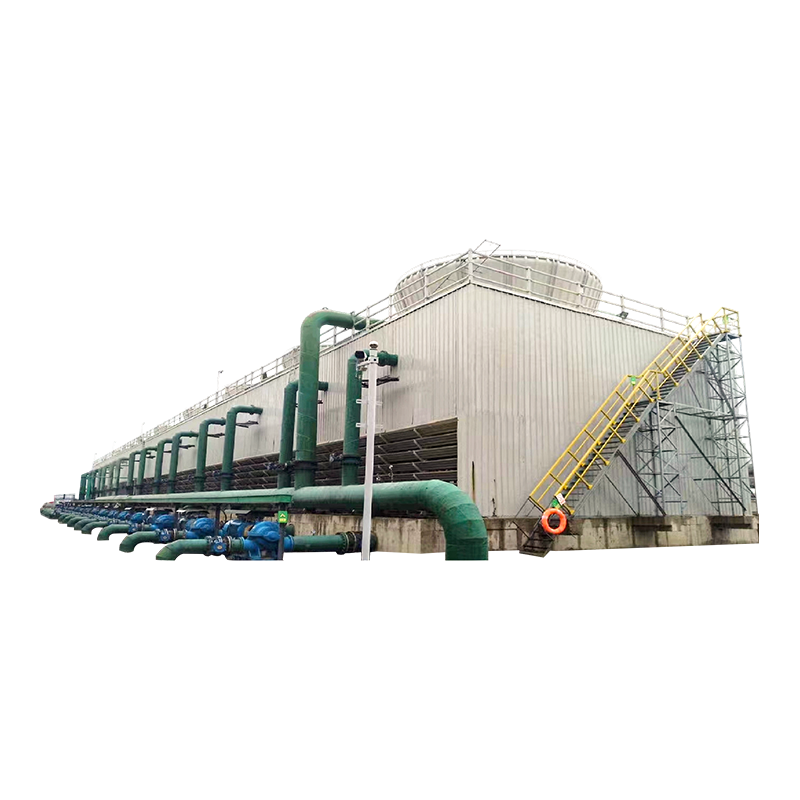
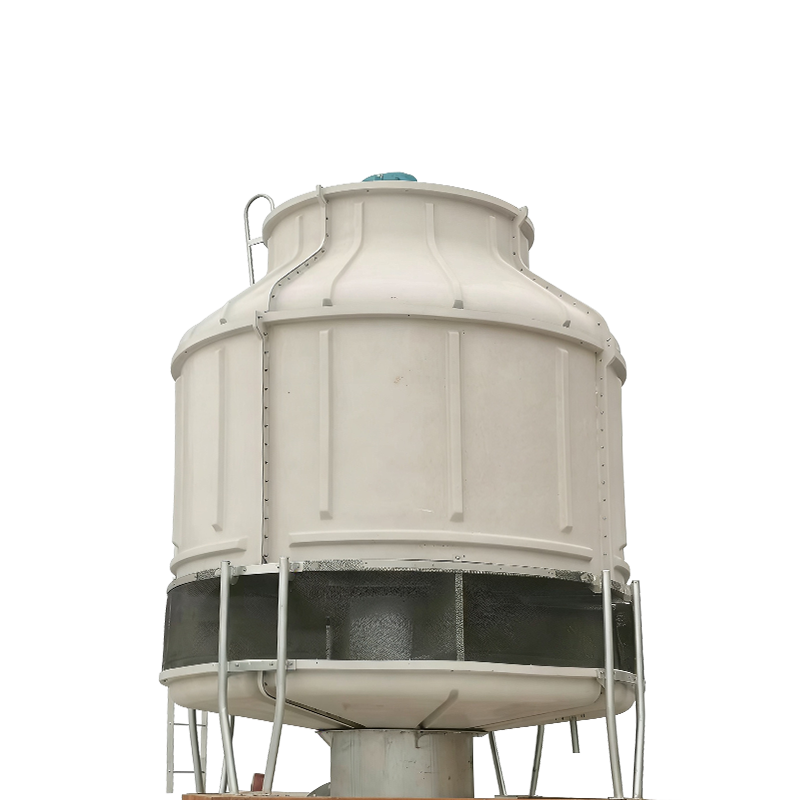
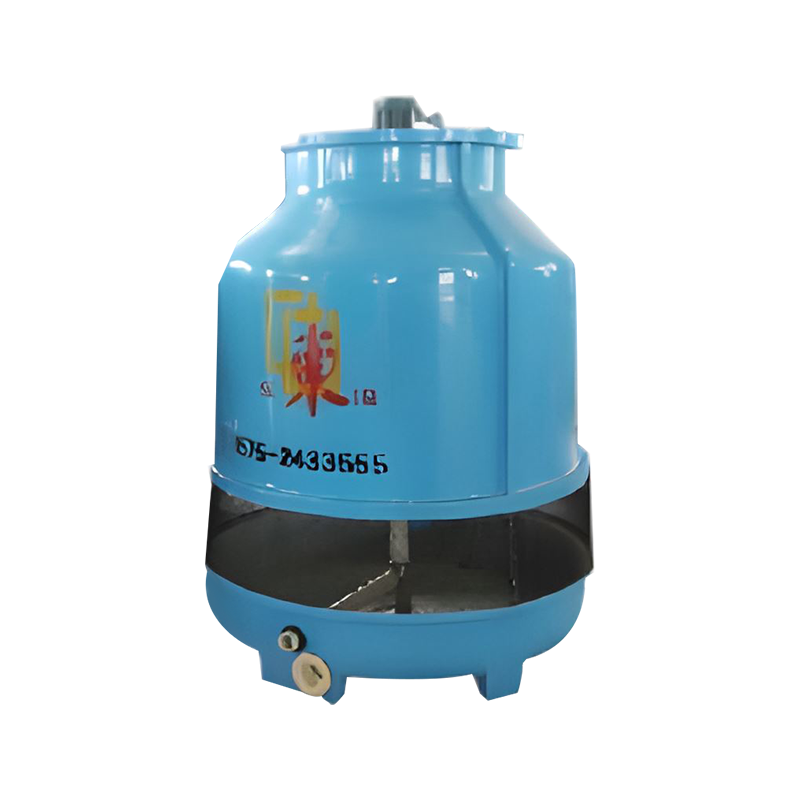
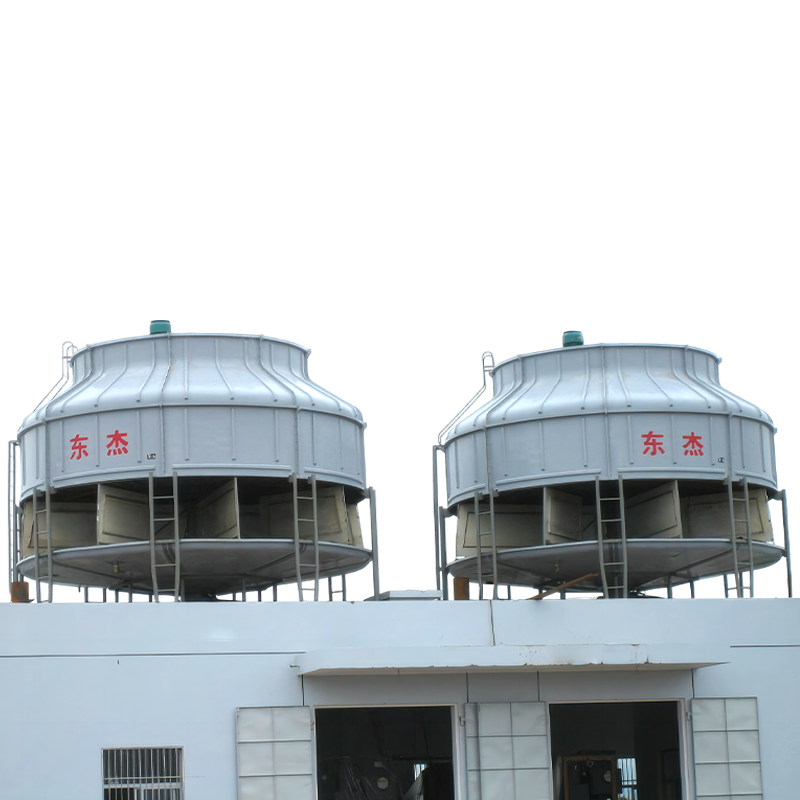
A Closed Circuit Cooling Tower Keeps Process Fluid Isolated From Open Air and Airborne Contaminants A closed circuit cooling tower is essential for contaminati...
READ MOREAug 21, 2026
Content
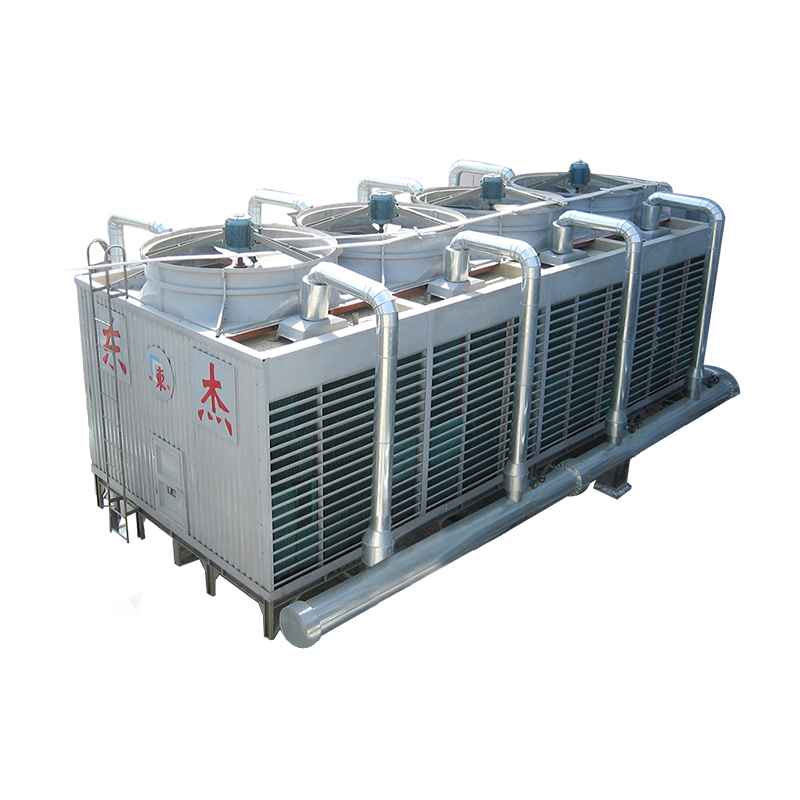
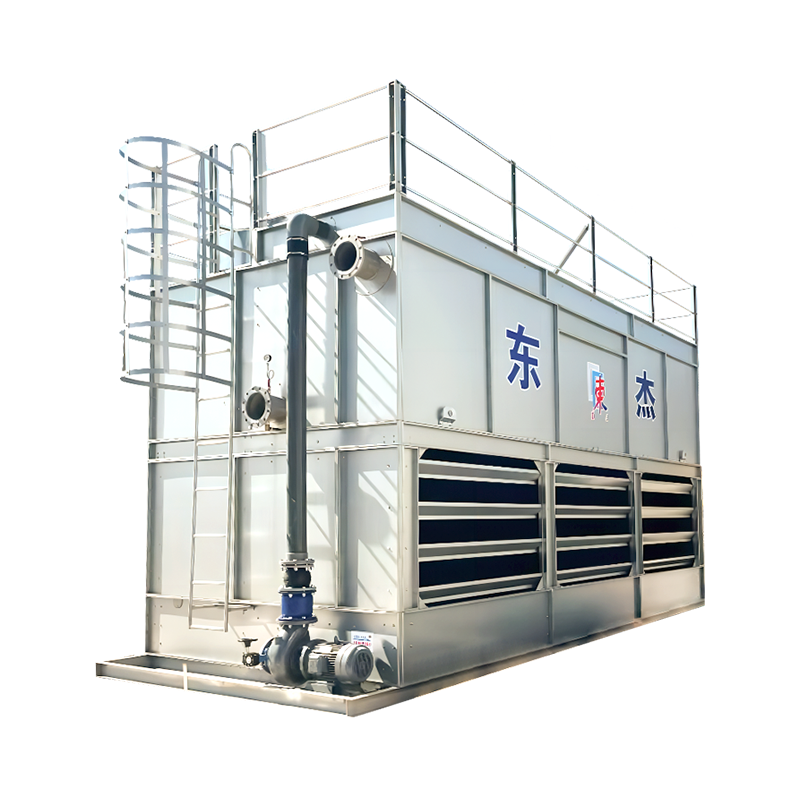
A closed circuit cooling tower is considered essential for contamination-free industrial cooling because the fluid being cooled never comes into direct contact with the outside air or the open evaporative water circuit. Instead, the process fluid travels through a sealed coil bundle while a separate spray water system flows over the outside of that coil, meaning airborne dust, debris, and biological growth in the tower basin cannot mix with the fluid running through connected equipment. This physical separation is the reason closed circuit systems are chosen over open cooling towers whenever process purity, equipment longevity, or strict water quality control matters, since any scaling or fouling that does occur stays confined to the outer coil surface rather than entering the piping network feeding chillers, compressors, or production machinery.
The internal arrangement of a closed circuit tower relies on two distinct water loops working together. The primary loop, sometimes called the process fluid circuit, moves continuously through a sealed coil, usually a serpentine tube bundle made of steel, stainless steel, or coated alloy, without ever being exposed to the atmosphere. Around that coil, a secondary spray water system is pumped from the tower basin and distributed over the coil surface, where it evaporates as air is drawn or forced through the unit, absorbing heat from the coil in the process. Because it is this secondary water, not the process fluid, that experiences evaporation and airborne exposure, the closed loop stays isolated from mineral scaling, algae growth, and particulate buildup that would otherwise accumulate inside sensitive equipment such as heat exchangers or hydraulic systems.
In many closed circuit designs, air is directed upward through the tower while the spray water falls downward over the coil, creating a counterflow pattern that maximizes the temperature differential between air and water at every point along the exchange path. This arrangement tends to produce more consistent cooling performance compared to parallel flow layouts, since the coolest incoming air meets the coolest water near the bottom of the unit, sustaining a stronger heat transfer gradient throughout the process.
Because the coil bundle sits in a continuously wetted environment, material selection has a direct impact on how long the unit performs reliably. Coils are typically fabricated from galvanized steel, stainless steel, or occasionally copper-nickel alloys depending on the water chemistry and process fluid involved, with welded joints designed to withstand repeated thermal cycling without developing leaks. The outer casing and structural frame are commonly built from corrosion-resistant materials such as galvanized or stainless steel panels, since the basin and fill sections remain exposed to moisture and, in outdoor installations, weather cycling across seasons. Fill media positioned around the coil helps increase the surface area available for evaporative contact, improving heat rejection efficiency without significantly enlarging the physical footprint of the tower.
Water usage in a closed circuit tower comes almost entirely from evaporation and a small amount of drift loss carried out by the airflow, since the secondary spray circuit continuously recirculates rather than being discharged after a single pass. Drift eliminators fitted near the air discharge point capture the majority of water droplets that would otherwise escape with the exhaust air, keeping consumption relatively low compared to once-through cooling arrangements. Reduced blowdown requirements, resulting from the lower mineral concentration cycles achievable in a sealed process loop, also translate into lower chemical treatment demand, which contributes to more manageable operating costs over the equipment's service life.
Routine maintenance for a closed circuit tower generally focuses on the exterior spray water system, basin, and fill media rather than the internal process piping, since the sealed loop stays protected from the contamination sources that typically drive fouling in open towers. Basin cleaning, spray nozzle inspection, and periodic water treatment for the open evaporative circuit remain necessary tasks, but because the process fluid itself does not pick up scale or debris, connected equipment such as heat exchangers, condensers, or hydraulic units experience less frequent cleaning and a lower likelihood of unplanned downtime caused by fouled internal surfaces. This arrangement can extend intervals between major service events, which matters for facilities running continuous production schedules where unplanned equipment stoppages carry a meaningful cost.
Closed circuit cooling towers appear across a wide range of industrial settings where fluid purity or equipment protection is a priority. Data centers and electronics manufacturing facilities often depend on them to keep coolant loops free of particulates that could damage precision equipment, while pharmaceutical and food processing plants use closed systems to maintain strict hygiene standards in cooling water that indirectly supports production equipment. Power generation facilities, chemical processing plants, and injection molding operations also make use of closed circuit towers to protect condensers, reactors, and hydraulic systems from the scaling and biological fouling associated with open evaporative cooling.
| Industry Sector | Cooling Requirement | Relevant Tower Feature |
|---|---|---|
| Data centers and electronics | Particulate-free coolant loop | Sealed coil isolation from open air |
| Pharmaceutical processing | Strict hygiene and purity control | Closed-loop process fluid path |
| Power generation | Condenser scale protection | Reduced fouling of internal surfaces |
| Injection molding and plastics | Stable hydraulic fluid temperature | Counterflow heat exchange efficiency |
Selecting an appropriately sized closed circuit tower depends on matching heat rejection capacity to the specific process load, along with accounting for available installation space, since the vertical, compact structure of counterflow designs tends to suit facilities where floor area is limited. Water chemistry in the local supply also influences coil material choice, particularly in regions with harder water where scaling potential on the outer coil surface is higher even though the process fluid itself stays protected. Facilities weighing closed circuit towers against open cooling alternatives generally find that the added equipment protection and reduced internal maintenance offset the somewhat higher initial investment, particularly in applications where fluid contamination could compromise product quality or damage sensitive downstream equipment.
Related Products
A Closed Circuit Cooling Tower Keeps Process Fluid Isolated From Open Air and Airborne Contaminants A closed circuit cooling tower is essential for contaminati...
READ MOREIndustrial cooling accounts for nearly a fifth of global electricity consumption. As climate targets tighten and energy costs surge, the race toward high-effi...
READ MORESteel Structure Cooling Towers Outperform Traditional Concrete in Modern Industrial Applications Steel structure cooling towers are the preferred choice for mo...
READ MOREAs the chemical processing and new energy sectors confront the converging imperatives of decarbonization targets, tightening environmental regulations, and th...
READ MOREAs global industrial output intensifies and sustainability mandates tighten across every major manufacturing sector, upgrading modern industrial steel structu...
READ MOREWater efficiency in cooling towers often comes down to a simple question: how much heat do you reject for every gallon of water you circulate? Cooling towers a...
READ MORE
dj@djcoolingtower.com
+86-0575-82433555 (Extension 0)
+86 130 6551 5158 Manager Zhang
