

 English
 русский
 中文简体
中文简体
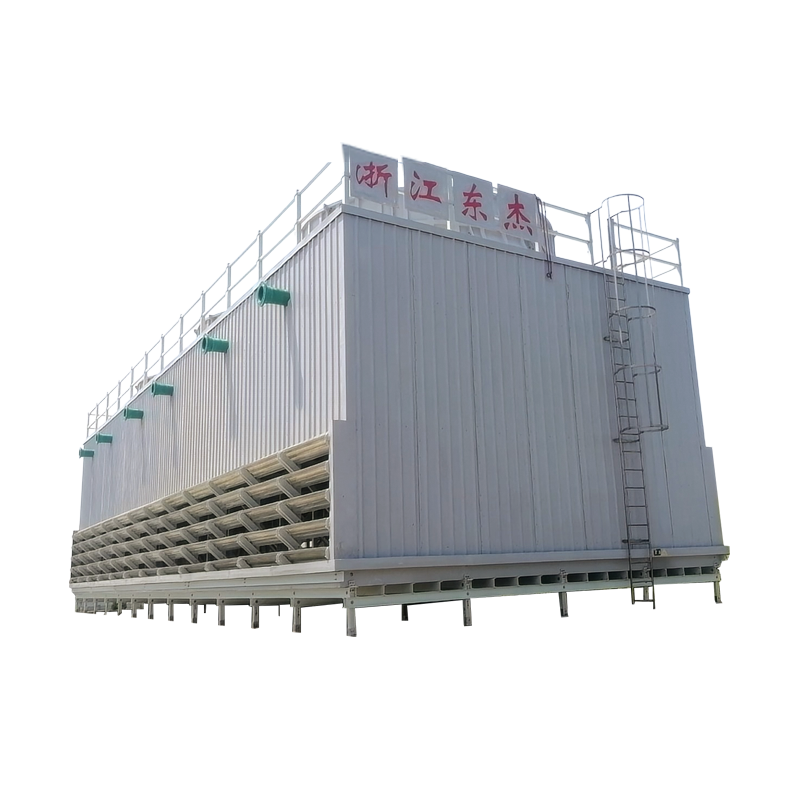
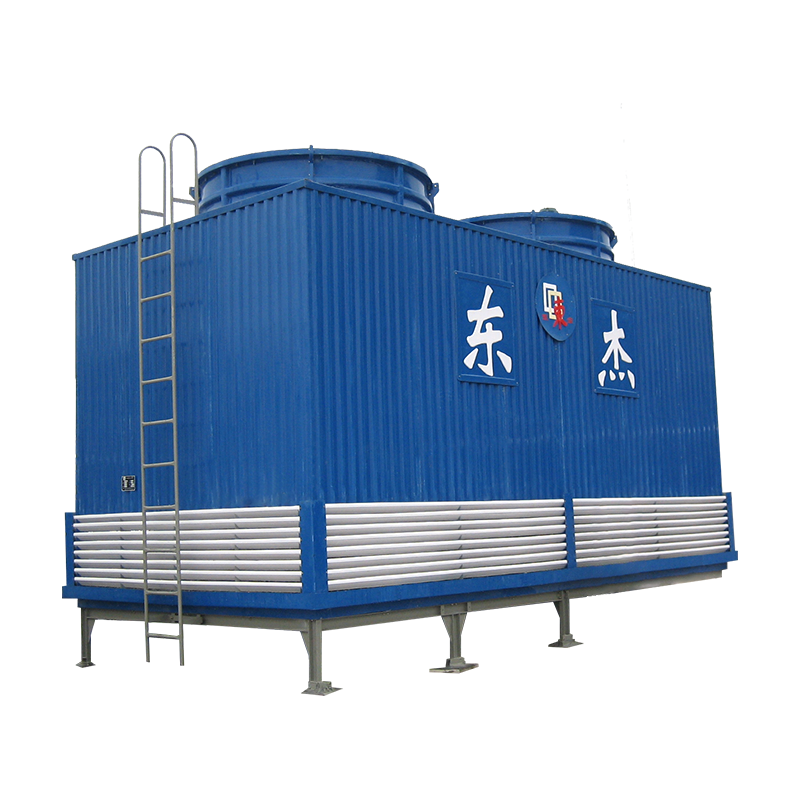
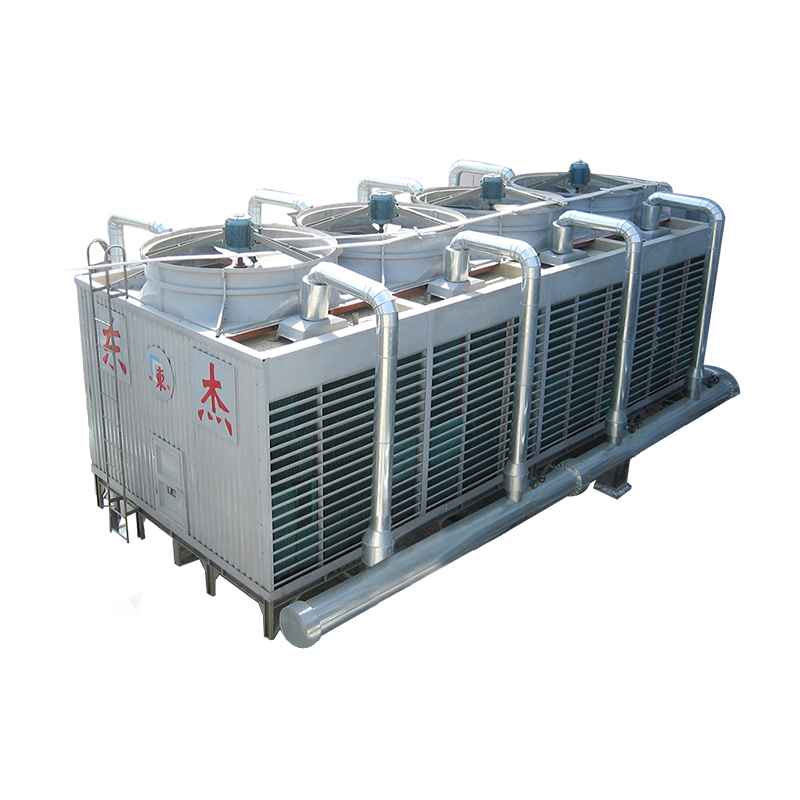
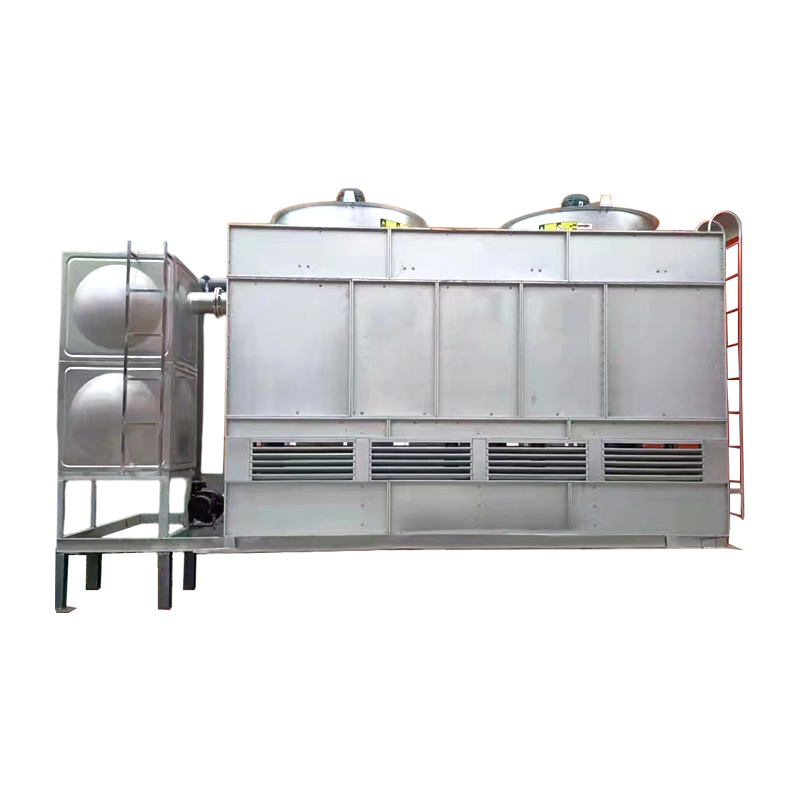
If you have ever asked “how does the cooling tower work?” you are not alone. At Zhejiang Dongjie, we work with engineers and plant operators who use cooling to...
READ MOREAug 14, 2026
Content
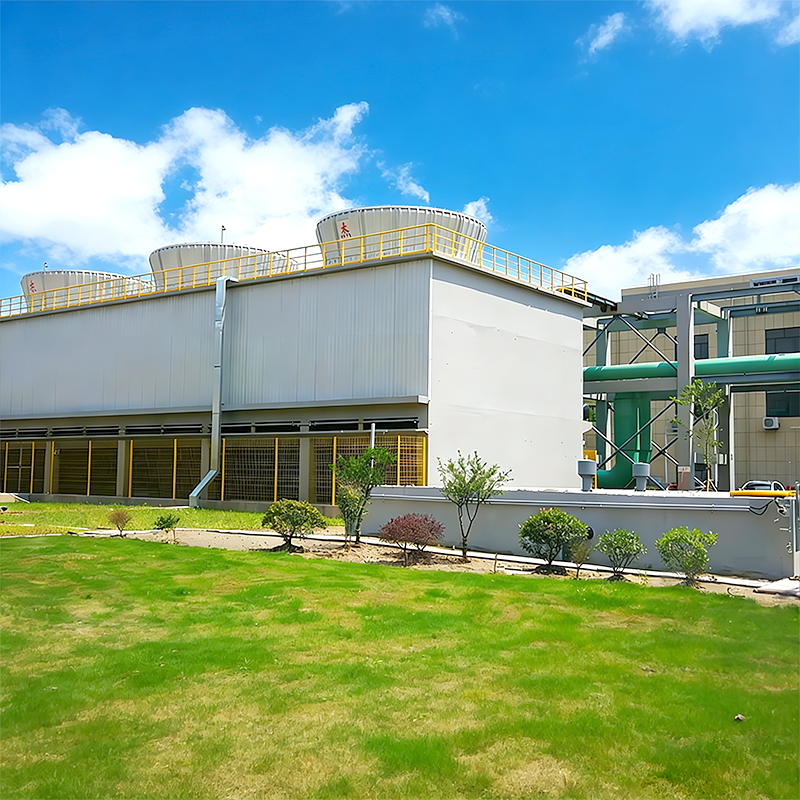
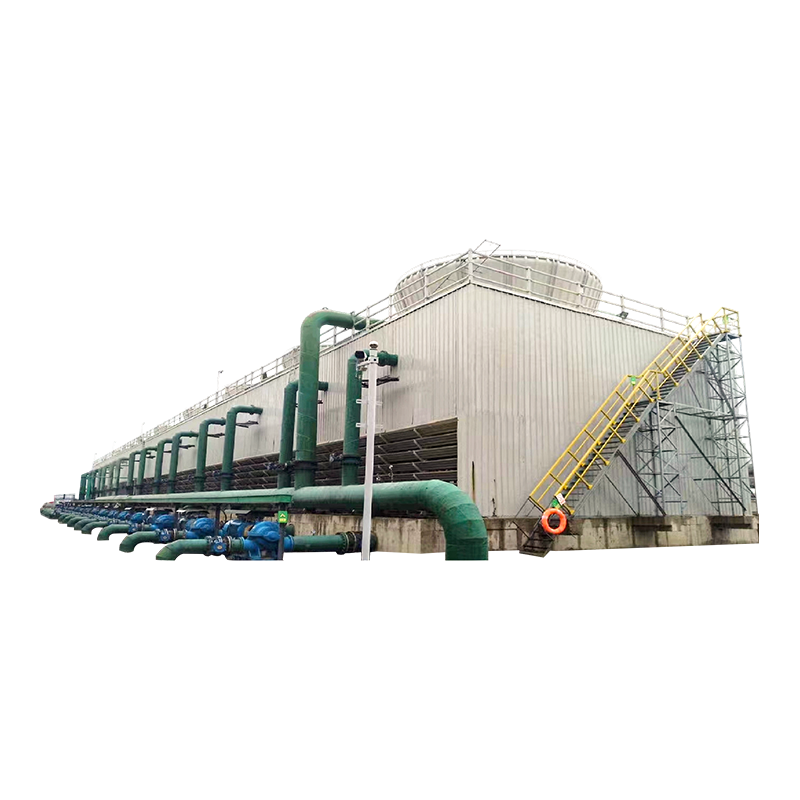
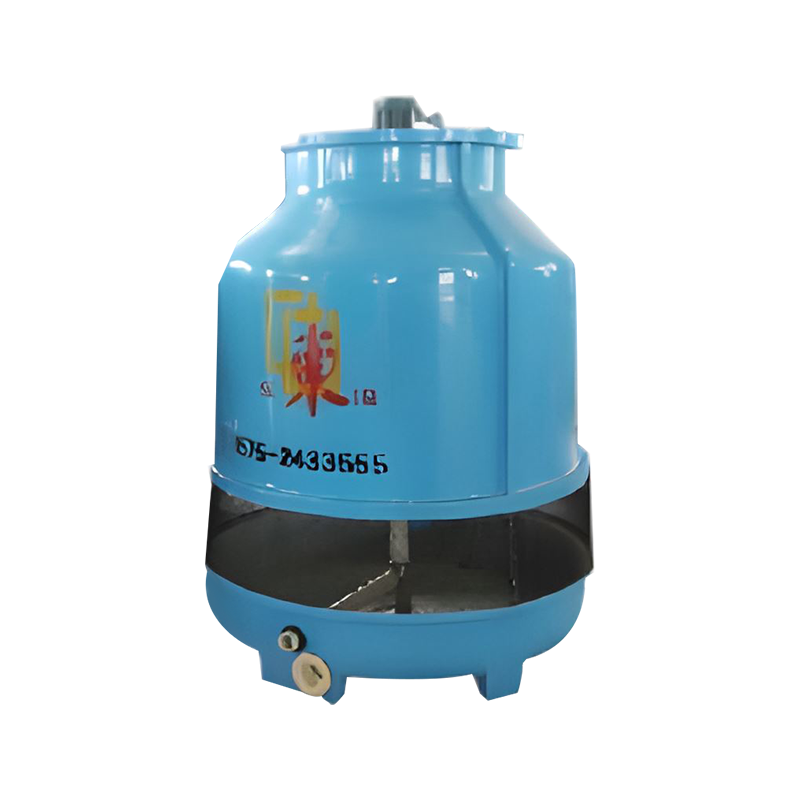
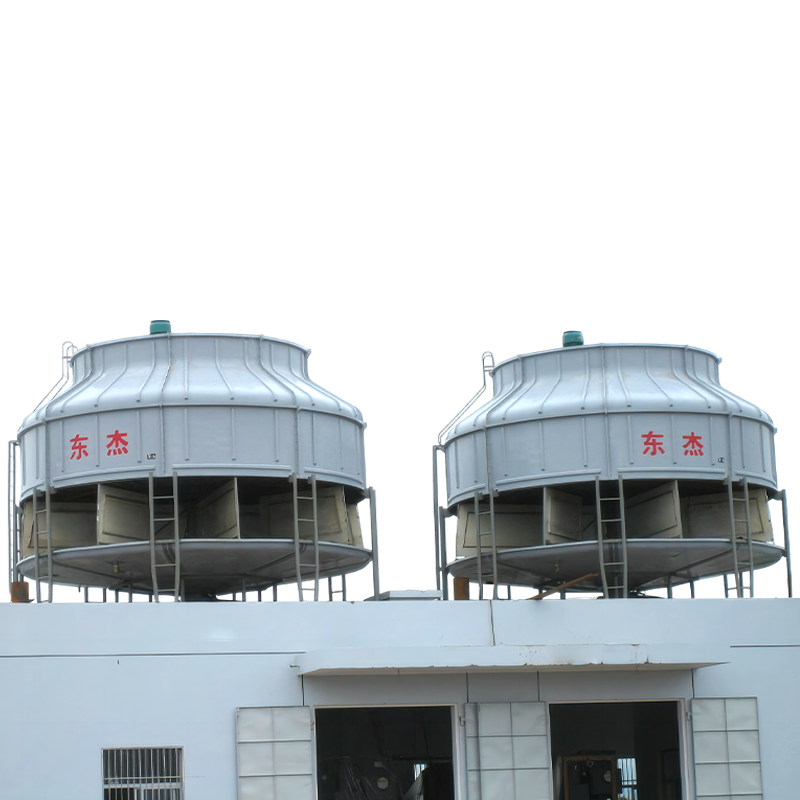
A circular cooling tower removes heat from a process water system by exposing warm water to a controlled airflow, allowing a portion of the water to evaporate and carry heat away from the remaining volume before it returns to the industrial process. The circular shell shape distributes air intake evenly around the full circumference of the tower, which differs from rectangular counterflow or crossflow designs where airflow enters from one or two sides. This even distribution generally supports consistent heat transfer performance across the fill media, since no section of the tower relies on air traveling a longer path than another to reach the center.
The shell and internal framework of a circular cooling tower are typically built from fiberglass reinforced plastic, chosen for a combination of lightweight and high-strength properties that reduce structural load on the supporting foundation while still resisting the corrosive conditions common in a wet cooling environment. This advanced structural approach allows panel sections to be molded with smooth curved surfaces, contributing to a beautiful appearance that also serves a functional purpose, since the curved shell resists wind loading more evenly than a flat-paneled structure of comparable size.
Internal fill media, generally PVC sheet formed into a honeycomb or cross-corrugated pattern, expands the surface area available for water-to-air contact within a compact tower footprint. Drift eliminators positioned above the fill capture water droplets carried upward by the airflow, reducing water loss and limiting the amount of moisture released into the surrounding area during operation.
Minimal noise operation is achieved through a combination of low-speed fan design, sound-dampening fill arrangement, and structural elements that reduce vibration transfer through the tower shell. Axial flow fans fitted with wide, aerodynamically shaped blades typically move a large volume of air at a lower rotational speed than a comparable narrow-blade fan, which reduces the mechanical noise generated during continuous operation. This matters for facilities located near residential areas or within noise-regulated industrial zones, where sustained fan and water splash noise can factor into permitting requirements.
Water distribution nozzles positioned above the fill are also designed to reduce splash noise, spreading water evenly across the fill surface rather than allowing it to fall in concentrated streams that generate louder impact sounds. Anti-vibration mounts between the fan motor assembly and the tower structure further limit noise transmission through the shell during operation.
| Parameter | Typical Range | Relevance |
|---|---|---|
| Cooling Range | 3 to 15°C | Temperature reduction achieved per cycle |
| Water Circulation Rate | 50 to 3,000 m³/h | Scales with process cooling demand |
| Drift Loss | Below 0.01% of circulation rate | Reflects drift eliminator efficiency |
Reliable and durable performance depends heavily on how well the fiberglass shell and internal components resist the combined effects of constant moisture exposure, water treatment chemicals, and temperature cycling over years of continuous operation. UV-stabilized resin used in the shell construction helps prevent gradual degradation from sunlight exposure, which is a relevant factor for towers installed in outdoor industrial settings without additional shelter.
Corrosion-resistant hardware, including stainless steel bolts and fasteners at structural joints, reduces the likelihood of connection failure that could otherwise develop from repeated exposure to humid, chemically treated water in the tower basin. This combination of resistant materials contributes to a service life that can extend for decades with appropriate maintenance, compared to towers built from materials more susceptible to corrosion.
Easy to operate control systems generally allow facility staff to monitor water level, fan operation, and temperature differential through a straightforward interface, reducing the training burden compared to more complex process equipment. Automated makeup water controls and basin level sensors help maintain consistent operation without requiring constant manual adjustment, which supports smoother integration into a broader facility control system.
The cost-effective nature of a circular cooling tower often comes from a combination of factors rather than a single design element, including the compact footprint relative to cooling capacity, lower structural material requirements due to the curved shell design, and reduced water treatment costs tied to the good environmental friendliness of the drift elimination system. Facilities comparing tower types over a multi-year operating horizon often weigh these ongoing operating costs alongside the initial purchase price when evaluating overall value.
Power generation facilities use circular cooling towers to reject heat from steam condensers and auxiliary cooling loops, where consistent cooling performance directly affects overall plant efficiency. Petrochemical and chemical processing plants rely on similar systems to manage heat from reactor cooling jackets and process heat exchangers, often requiring towers built with corrosion-resistant materials suited to the surrounding chemical environment. Metallurgical operations use cooling towers to support furnace cooling systems and other high-heat processes where consistent water temperature affects downstream product quality.
HVAC systems in large commercial and institutional buildings apply smaller circular cooling towers to reject heat from central chiller plants, where the compact footprint and reduced noise profile make rooftop installation more practical. New energy and environmental sector applications, including waste heat recovery systems and industrial wastewater treatment facilities, also incorporate circular cooling towers as part of broader thermal management processes.
Matching tower capacity to actual process cooling load affects both operating efficiency and long-term energy costs, since an oversized tower runs inefficiently at partial load while an undersized tower may struggle to maintain target water temperatures during peak demand periods. Site conditions, including ambient wet-bulb temperature and available installation footprint, also influence which tower configuration fits a given facility.
Noise regulations at the installation site are worth checking early in the selection process, particularly for facilities near residential zones where fan and water noise limits may restrict which fan configurations are permitted. Water treatment compatibility, including how the tower materials respond to the chemical treatment program used in the facility's water system, also factors into long-term reliability and helps avoid premature material degradation.
Related Products
If you have ever asked “how does the cooling tower work?” you are not alone. At Zhejiang Dongjie, we work with engineers and plant operators who use cooling to...
READ MOREWhen a process line needs to hold a reactor at 5 °C, a chiller is the obvious choice. When the same plant needs to reject a large amount of waste heat from a c...
READ MOREIndustrial cooling is among the largest consumers of energy and water in the global manufacturing economy. Chillers, cooling towers, heat exchangers, and proc...
READ MOREA 2 MW chiller in a commercial building rejects roughly 700 kW of heat through its condenser water loop. That heat has to go somewhere. In many mid- to large-s...
READ MOREA plant engineer managing a 2 MW injection molding process was facing a familiar problem. The open cooling tower was letting suspended solids into the mold coo...
READ MOREIn industrial cooling systems, water is both the most essential element and the most common source of operational problems. Scale, corrosion, fouling, and micr...
READ MORE
dj@djcoolingtower.com
+86-0575-82433555 (Extension 0)
+86 130 6551 5158 Manager Zhang
