

 English
 русский
 中文简体

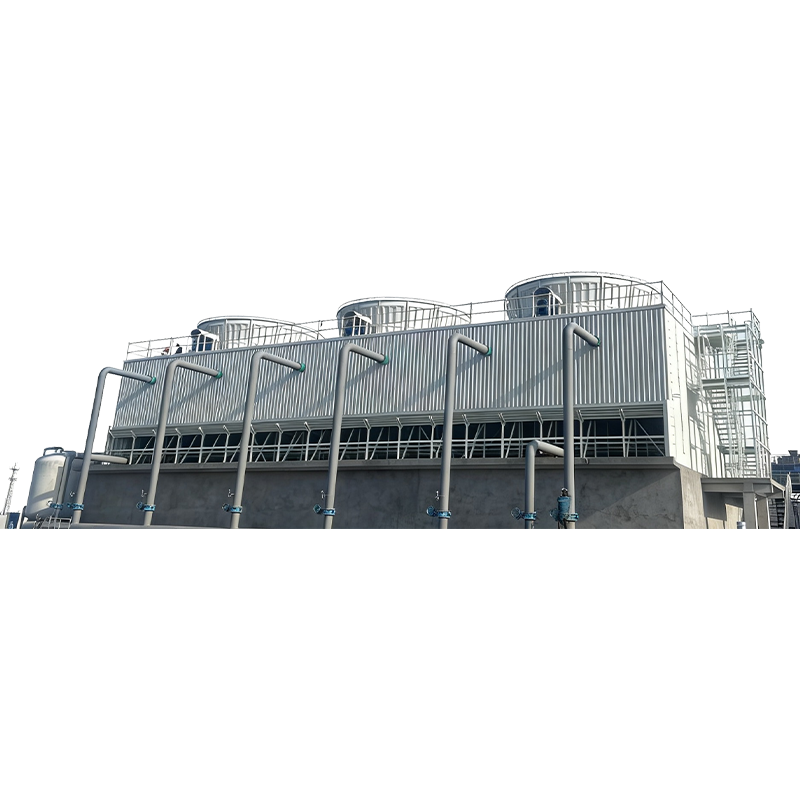
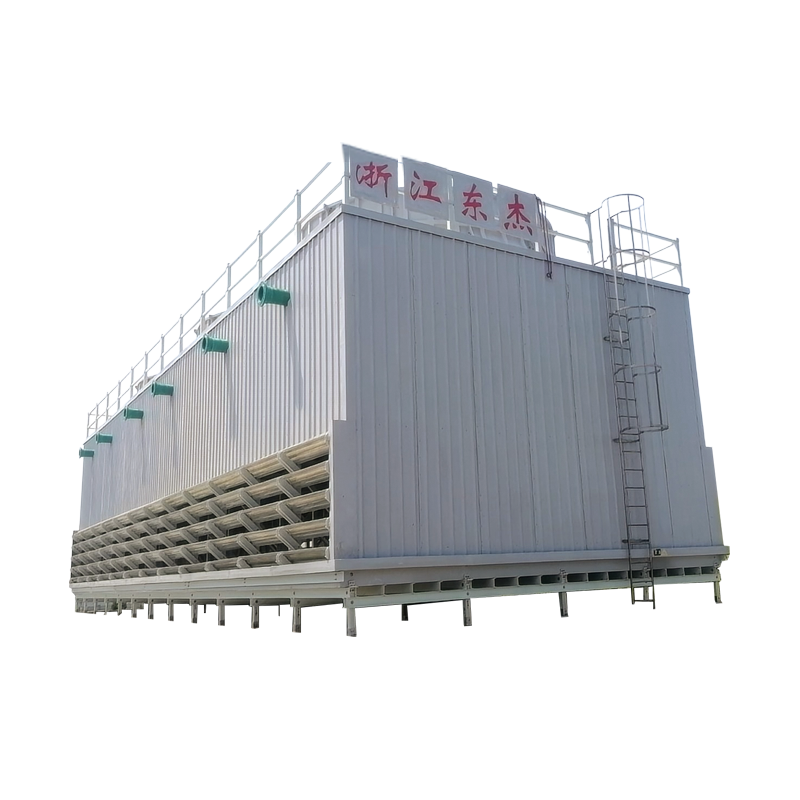
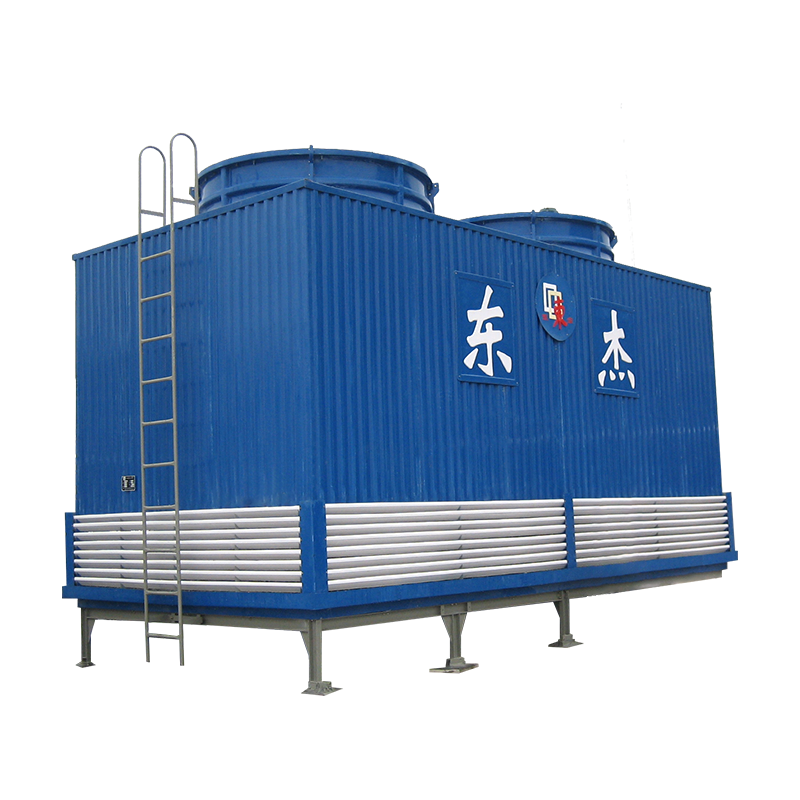
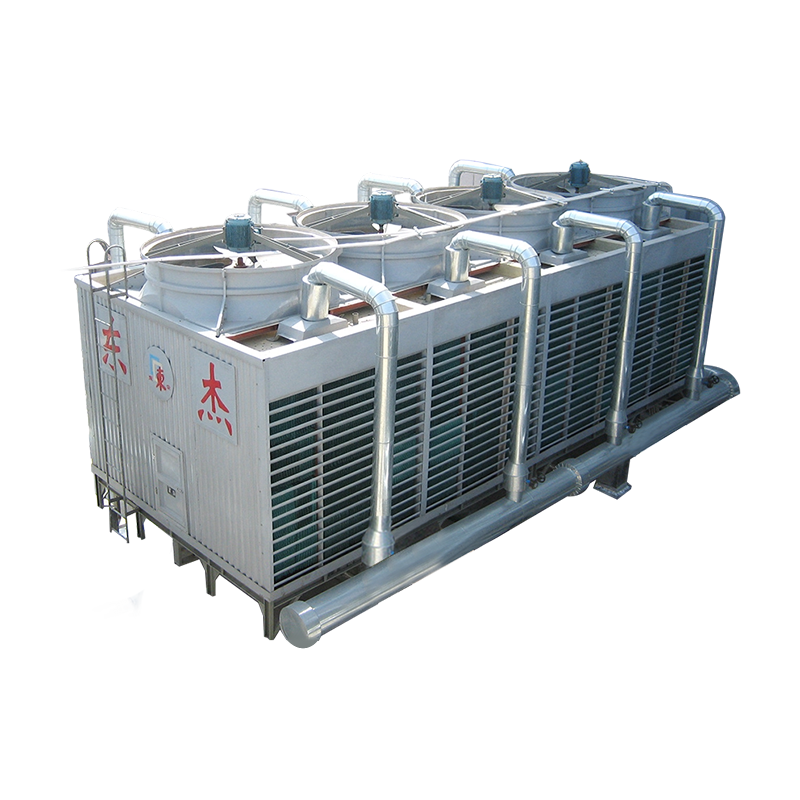
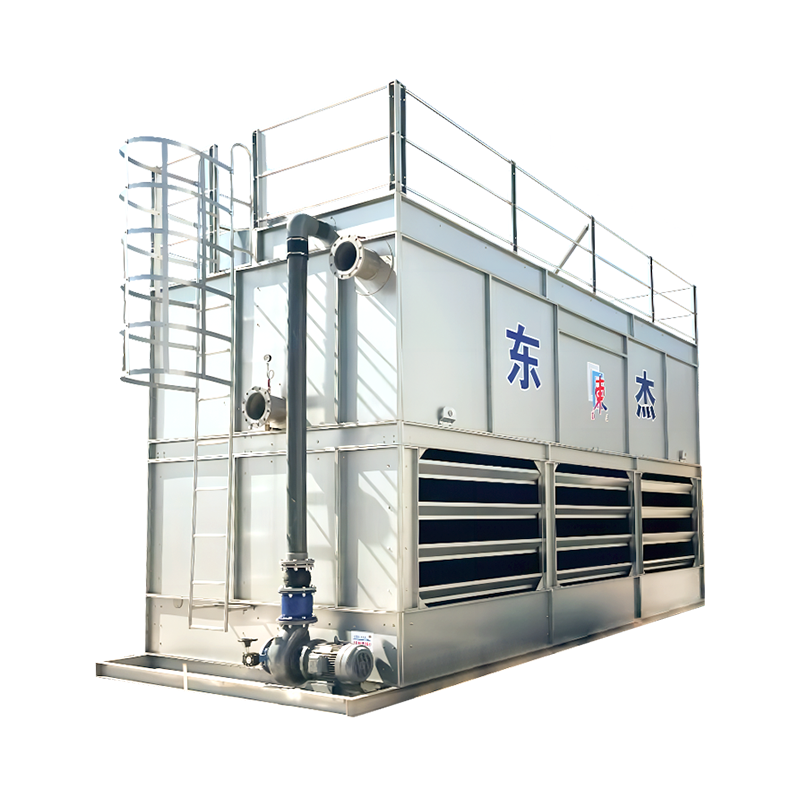
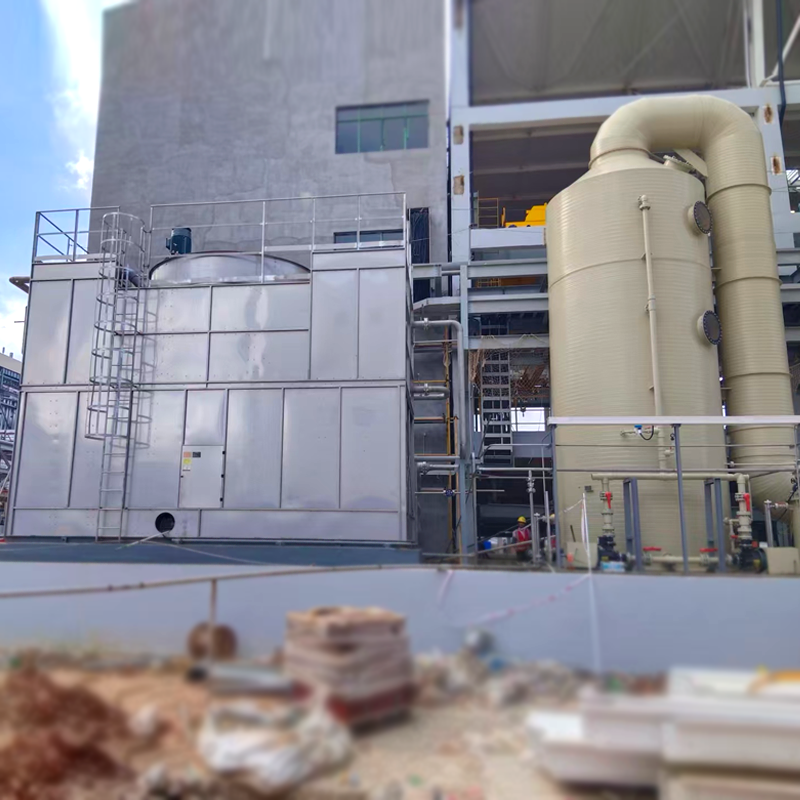
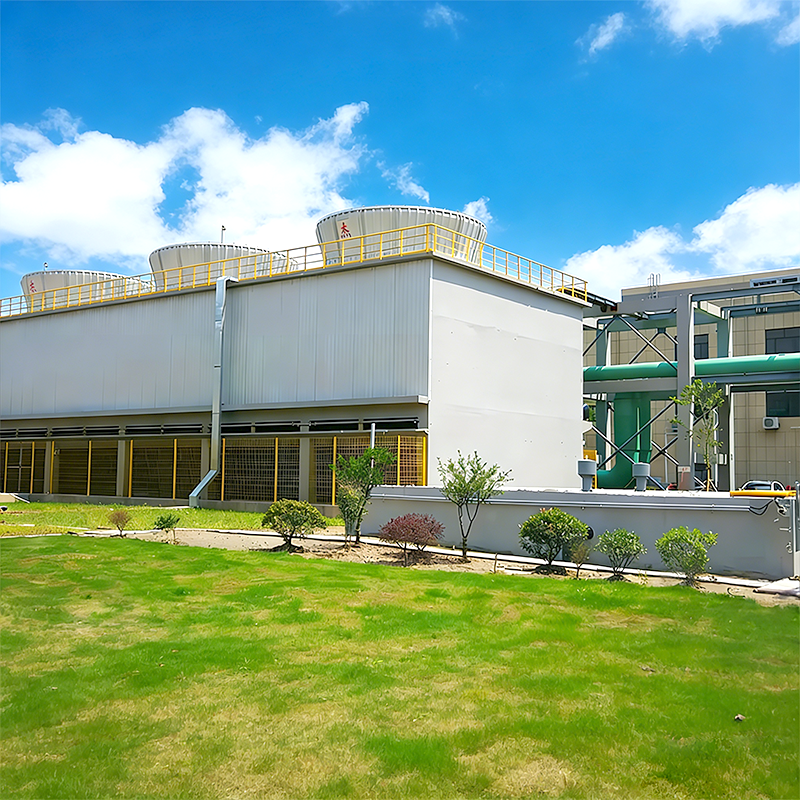
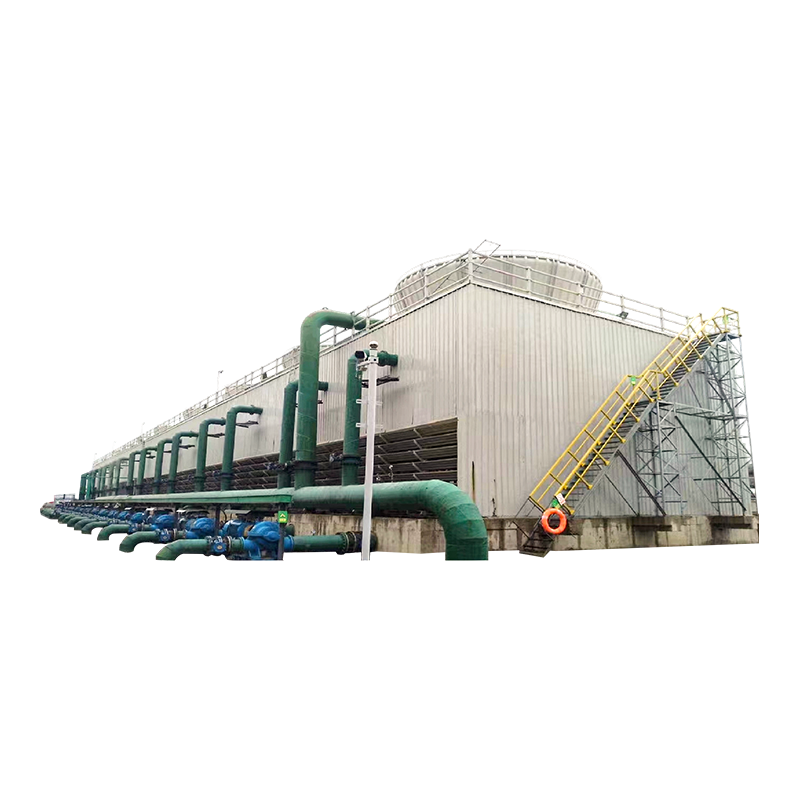
Why Steel Structure Cooling Towers Dominate Large-Scale Industrial Cooling A Steel Structure Cooling Tower is the correct specification choice for large-scale ...
READ MOREOct 27, 2026
Content
Cooling towers are among the most visible pieces of equipment in large industrial cooling systems. A circular cooling tower, in particular, offers a compact and durable answer to heat rejection problems across many production environments. Because of its round shape and counterflow air pattern, this design works especially well when site space is tight and performance needs to remain predictable.
At Zhejiang Dongjie Cooling Tower Co., Ltd., we manufacture circular cooling towers for electricity, petrochemical, metallurgy, chemical, HVAC, new energy and environmental protection projects. In this guide, we explain what makes a circular cooling tower different, how to evaluate the main series, and what to plan for once the tower is operating.
In a typical circular cooling tower, hot water enters near the top and is distributed evenly across the fill media. The fill creates a large water surface area, while air moves upward through the tower in the opposite direction. This counterflow arrangement lets the air pick up heat and moisture as it travels, cooling the water before it returns to the process.
The operation follows a few straightforward steps:
The term “circular cooling tower” usually refers to the tower’s shape, while “counterflow” describes the internal air-water contact path. In a counterflow tower, the hottest water meets the driest, most buoyant air near the top, and the coolest water meets the coolest air near the bottom. This temperature gradient is one reason counterflow designs can achieve high thermal performance within a compact vertical envelope.
The circular shell also works in favour of the counterflow principle. Because the fill pack is arranged around the full diameter, air can enter evenly from the perimeter. An induced-draft fan at the top pulls the air upward, while the water falls by gravity through the same space. The result is a steady exchange of heat and moisture that can be predicted using standard thermal design methods.
Circular cooling towers have earned a strong place in industrial settings because they combine thermal performance with a relatively small footprint. The round structure allows air to enter from all sides, which can support more uniform airflow and better packing of the fill. Their FRP (fibreglass-reinforced plastic) casings also resist corrosion, making them a dependable option for many years of continuous operation.
In our circular cooling tower category, every series follows the counterflow principle. The main differences lie in the structure, the water collection method and the intended duty. All series are made in our 15,000-square-meter factory, where FRP components are produced with automated lines and indoor assembly is available for towers up to 6,000 tons.
The Basinless Circular Counterflow Cooling Tower BL-II W Series is a smart choice when the installation area is limited or the design needs to avoid a large cold-water basin. Without that basin, the tower keeps a cleaner layout and still provides effective cooling for process loops.
 Basinless Circular Counterflow Cooling Tower BL(II)W SeriesCompact, chassis-free tower designed for limited spaces. Simple structure, low cost, and quick assembly suit small and medium circulating systems like HVAC and air compressors.View Product →
The Industrial Circular Counterflow Cooling Tower BLS-II J Series is built for heavier continuous duty. It uses a more robust structure and components that can handle high flow rates, tougher water quality and longer operating hours, which is why it is often specified for power, chemical and metallurgical facilities.
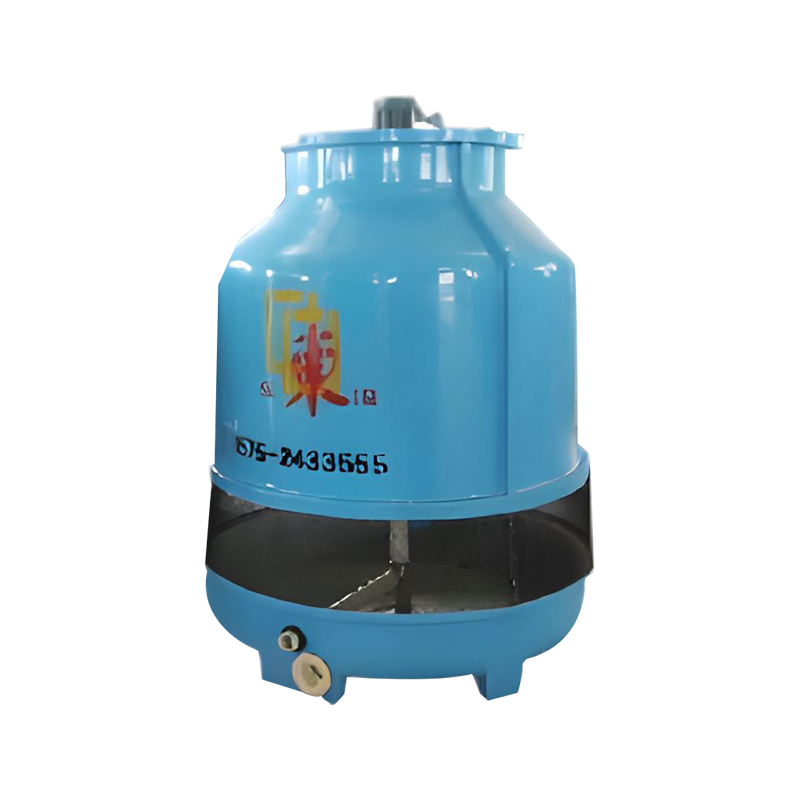 Industrial Circular Counterflow Cooling Tower BLS(II)J SeriesHeavy-duty tower for power, chemical, and metallurgical plants. Features robust construction, high-efficiency packing, and resistance to earthquakes and typhoons for continuous operation.View Product →
The Standard Circular Counterflow Cooling Tower BLSJ Series offers a dependable balance of performance and operating cost. It suits general industrial cooling loops and HVAC projects where the thermal load is steady and the water conditions are well defined.
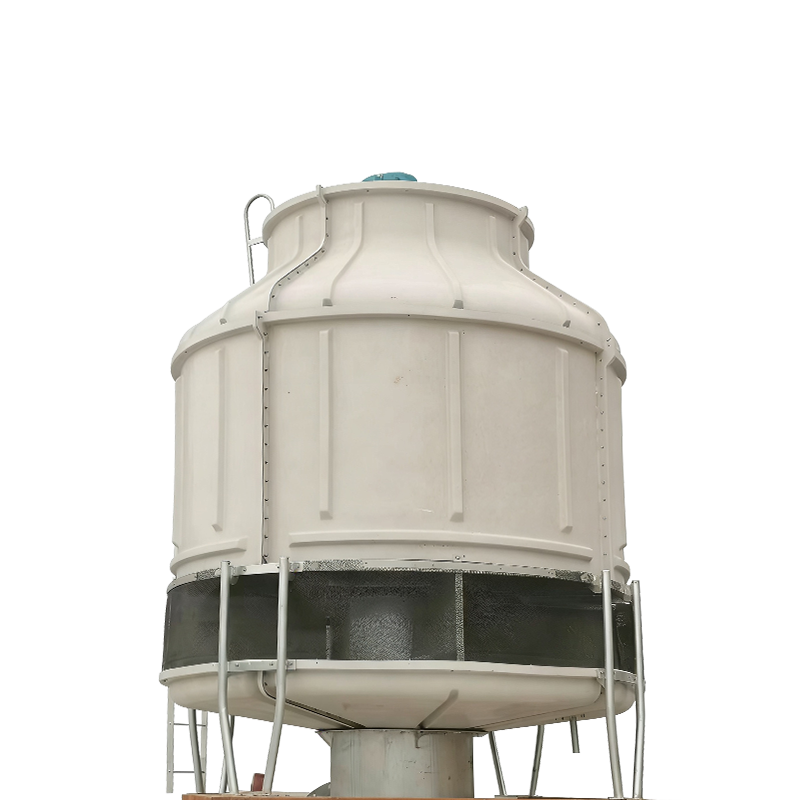 Standard Circular Counterflow Cooling Tower BLSJ SeriesReliable cooling for steady thermal loads and defined water conditions. Balanced performance and operating cost with durable fiberglass body, low noise, and efficient water distribution.View Product →
| Series | Design focus | Typical applications |
|---|---|---|
| BL-II W Series | Basinless circular counterflow design | Space-constrained sites and cleaner installations |
| BLS-II J Series | Industrial-grade circular counterflow design | Power, chemical, metallurgical and process cooling |
| BLSJ Series | Standard circular counterflow design | General HVAC loops and manufacturing processes |
Selecting a circular cooling tower starts with a clear picture of the thermal load, not with the tower name alone. The process team should confirm the required flow rate, the hot water temperature entering the tower, the cooled water temperature needed for the system, and the local ambient conditions.
For a more detailed look at the numbers that matter, we have written a separate guide to the key technical indicators when purchasing a cooling tower.
A circular cooling tower offers reliable performance when the small details are checked regularly. With a simple maintenance routine, operators can reduce water waste, keep the tower efficient and avoid unexpected stops in the middle of a production window.
Dongjie has supplied circular cooling towers and related solutions to a wide range of industrial customers in China and abroad, with projects reaching Russia, Kazakhstan, Indonesia, Pakistan and Africa. Our manufacturing base includes automated FRP production lines, developed fabrication equipment and a 2,000-square-meter warehouse for ready shipment. That combination helps us support both large serial orders and medium-sized custom projects.
We also understand that delivery is only the beginning. The engineering team at Dongjie can help you review your heat rejection duty, choose the appropriate circular cooling tower series and provide support during commissioning and later operation. If you are planning a new installation or replacing an aging tower, we would like to hear about your project. You can reach us through our website, and our engineers will be glad to discuss your requirements.
Related Products
Why Steel Structure Cooling Towers Dominate Large-Scale Industrial Cooling A Steel Structure Cooling Tower is the correct specification choice for large-scale ...
READ MOREAn FRP cooling tower is a heat rejection unit whose casing, structural frame, and often its cold water basin are built from glass-fiber reinforced polymer rath...
READ MOREA 2 MW chiller in a commercial building rejects roughly 700 kW of heat through its condenser water loop. That heat has to go somewhere. In many mid- to large-s...
READ MOREIn industrial cooling systems, water is both the most essential element and the most common source of operational problems. Scale, corrosion, fouling, and micr...
READ MOREA plant engineer managing a 2 MW injection molding process was facing a familiar problem. The open cooling tower was letting suspended solids into the mold coo...
READ MOREIf you have ever opened a drawing set and followed a pipe only to lose it behind a pump symbol, you are not alone. A chiller and cooling tower diagram can look...
READ MORE
dj@djcoolingtower.com
+86-0575-82433555 (Extension 0)
+86 130 6551 5158 Manager Zhang
